
- A conservation group plans to sue over delayed federal action.
- Two species live only in spring-fed waters near Beatty.
- Federal law requires a decision within twelve months.
- Proposed gold mines could increase groundwater pumping.
- One project could withdraw up to 2,500 acre-feet annually.
Friday, January 23, 2026 — A conservation organization has notified the U.S. Fish and Wildlife Service of its intent to sue, alleging the agency failed to meet a legal deadline under the Endangered Species Act. The dispute centers on whether the Amargosa toad and the Oasis Valley speckled dace should be listed as endangered or threatened species. Both species inhabit a limited stretch of spring-fed habitat along the Amargosa River in Oasis Valley near Beatty, Nevada. A prior federal review found substantial evidence that the species may qualify for protection, triggering a required twelve-month decision that has not yet been issued. The petitions cite groundwater pumping tied to proposed gold mining projects as a primary risk, including a large mining development that would draw significant water from the valley during operations.
The following article from the Nevada Current is published under the Creative Commons license CC BY-NC-ND 4.0.
Rare Nevada toad and fish prompt conservation lawsuit over gold mining
by Jeniffer Solis, Nevada Current
January 21, 2026
A conservation group is preparing to sue the federal government for failing to make a decision on whether to list a rare Nevada toad and fish as an endangered or threatened species.
On Tuesday, the Center for Biological Diversity notified the U.S. Fish and Wildlife Service of their intent to sue the agency for allegedly violating the Endangered Species Act after federal wildlife managers failed to issue a timely 12-month finding on whether to list the Amargosa toad and the Oasis Valley speckled dace, as required by federal law.
“The Amargosa toad and Oasis Valley speckled dace are small but powerful symbols of the remarkable biodiversity that makes Nevada so special. At this point the Endangered Species Act is their last line of defense,” said Patrick Donnelly, Great Basin director at the Center for Biological Diversity, in a statement.
Last year, a review by the U.S. Fish and Wildlife Service found there was substantial evidence that both the toad and fish may be eligible for listing, after the Center filed petitions to protect both species under the Endangered Species Act.
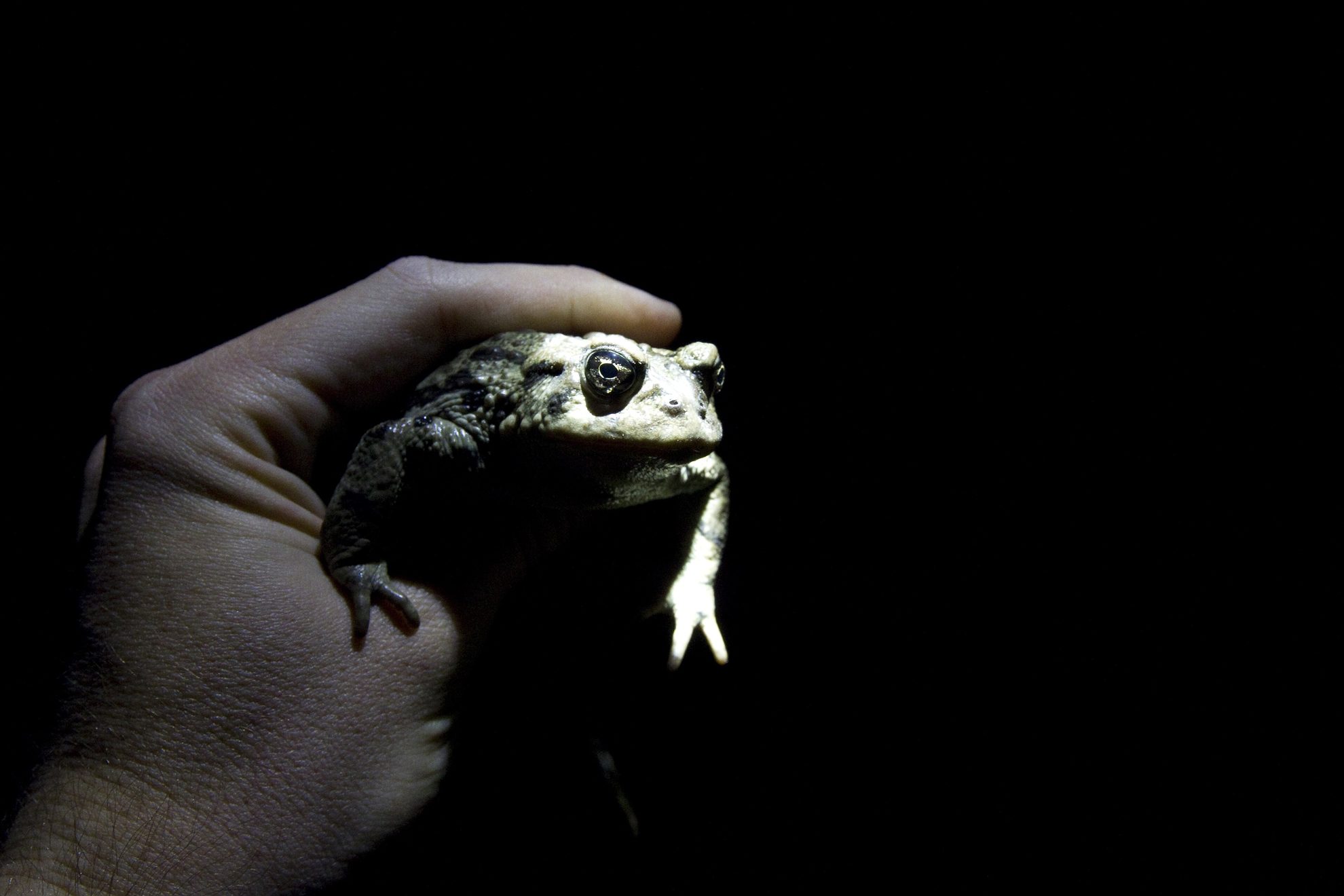
The Amargosa toad and Oasis Valley speckled dace live in spring-fed habitats along the Amargosa River in Oasis Valley near Beatty in Nye County. The Amargosa toad is only found along a 14 mile stretch of the Amargosa River, with a population estimated at about 2,000 individuals.
According to the petitions, both the rare toad and fish are threatened with extinction due to groundwater pumping from seven proposed gold mining operations along the Amargosa. Six of those projects are being proposed by British multinational miner AngloGold Ashanti, including what is potentially the largest greenfield gold discovery in Nevada in more than a decade.
AngloGold Ashanti has claimed their Arthur Gold Deposit in could contain about 16 million ounces of gold resources, nearly five times as much gold as Nevada produces annually.
AngloGold Ashanti’s North Bullfrog Project, which is currently in the permitting phase, is about nine miles north of the Town of Beatty. The project would span about 5,400 acres of public lands and would withdraw up to 2,500 acre-feet of water per year from Oasis Valley, perhaps enough to serve about 7,500 homes.
“We won’t stand idly by and watch a mining company imperil the Amargosa River and push these special animals toward extinction so its shareholders can make a buck,” Donnelly said.
Nevada Current is part of States Newsroom, a nonprofit news network supported by grants and a coalition of donors as a 501c(3) public charity. Nevada Current maintains editorial independence. Contact Editor Hugh Jackson for questions: info@nevadacurrent.com.
Pictured: The Amargosa Toad.jpg "Opens in a new tab.") , by Partners for Fish and Wildlife Program. Beatty, Nevada. Photo by Joe Milmoe / US Fish & Wildlife Service, 2012.
, by Partners for Fish and Wildlife Program. Beatty, Nevada. Photo by Joe Milmoe / US Fish & Wildlife Service, 2012.

Ha! Good question. They want the opportunity to investigate the population of these species.