- The global premium bottled water market continues to expand, with strong growth projections through 2031.
- Health-focused consumers are driving demand for functional, sparkling, and infused water products.
- Environmental concerns and plastic waste are creating regulatory and reputational challenges for the industry.
- New safety concerns about microplastics and PFAS chemicals are reshaping how bottled water is evaluated.
Thursday, January 29, 2026 —Research and Markets released its Premium Bottled Water Market Report 2026 , outlining a fast-growing global industry shaped by health trends and changing consumer expectations. According to the report, the premium bottled water market is projected to grow from $20.66 billion in 2025 to $30.94 billion by 2031, reflecting a compound annual growth rate of nearly seven percent.
Premium bottled water is typically marketed as higher quality than standard bottled water. Products are often sourced from protected springs or produced through advanced purification processes, and they sell at a higher price. Much of the growth is tied to consumer interest in hydration that goes beyond thirst, with water increasingly viewed as part of a broader wellness lifestyle.
Industry data cited by the International Bottled Water Association shows that bottled water retail sales in the United States reached $50.6 billion in 2024, underscoring how deeply bottled water has become embedded in daily consumption habits.
Functional Water and Changing Consumer Preferences.
One of the strongest drivers of growth is the shift toward functional and health-oriented hydration. Many consumers now seek water products enhanced with electrolytes, minerals, or vitamins. This allows bottled water companies to position themselves more closely with the wellness and nutrition industries rather than competing only with tap water.
Corporate earnings reports reflect this trend. Danone’s July 2024 interim financial report noted that sales of its functional water brand Mizone grew by about 10% in the first half of the year, outperforming other parts of its water portfolio. Similar growth patterns are being reported across the premium segment, particularly for sparkling and lightly flavored options that appeal to people cutting back on sugary drinks.
Sustainability Pressures and Packaging Shifts.
At the same time, premium bottled water is facing increasing scrutiny for its environmental sustainability. Plastic waste and recycling limitations are drawing attention from regulators and environmentally conscious consumers. Manufacturers are increasingly expected to demonstrate reductions in packaging waste and improvements in recycling practices.
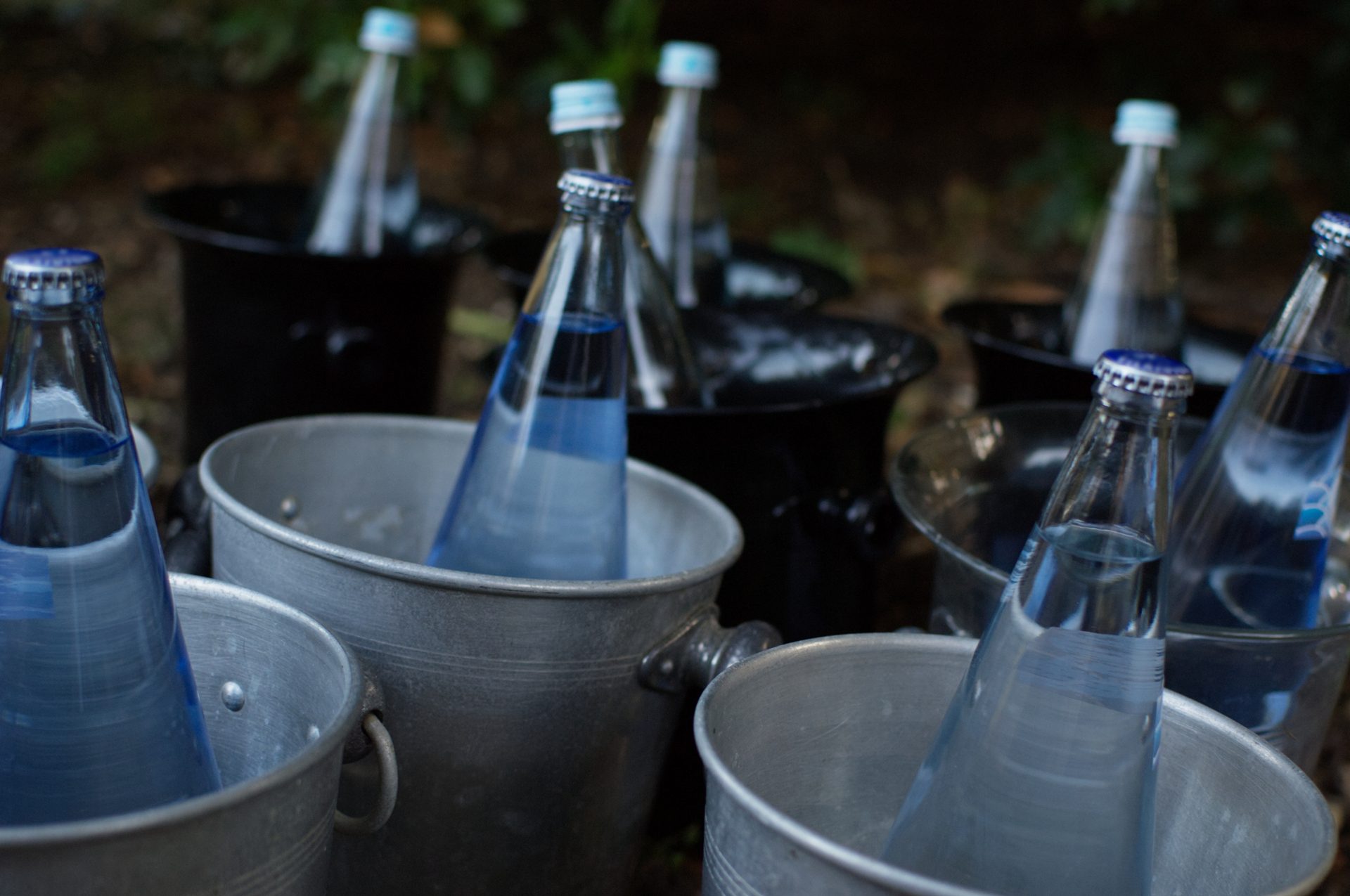
This pressure is accelerating a shift toward alternative packaging such as glass bottles and aluminum cans, which are often marketed as infinitely recyclable. Primo Water Corporation reported in its third quarter 2024 results that revenue from its glass-bottled Mountain Valley Spring Water brand increased by more than 100 percent compared to the prior year. In the investment space, BevNET reported in 2024 that Liquid Death, a canned water company focused on sustainability branding, was valued at $ 1.4 billion.
Despite these efforts, recycling infrastructure remains a challenge. The National Association for PET Container Resources reported that the United States plastic bottle recycling rate fell to 30.2 percent in 2024, highlighting a gap between production volumes and recovery capacity.
Safety Questions Enter the Conversation.
While sustainability dominates much of the public discussion, safety concerns are also emerging. On January 27, 2026, Race Director University released the endurance industry’s first Hydration Safety Manual, citing research that found up to 240,000 microplastic particles per liter in bottled water and the presence of PFAS chemicals in many tested brands.
Gregory J. Evans, Founder and Chief Executive Officer of Race Director University, warned that many event organizers accept donated bottled water without understanding storage conditions, chemical content, or potential health risks. He stated that PFAS (forever chemicals) were found in 43 of 47 bottled water brands tested, raising questions about oversight and quality control in an industry that is largely regulated as a food product rather than a utility.
Although the manual is aimed at race directors, its release reflects broader concerns that could affect consumer confidence, particularly among premium brands that rely on perceptions of purity and safety.
Distribution Models and Market Adaptation.
Another notable trend is the expansion of direct-to-consumer delivery and subscription services. Bottled water is heavy and expensive to transport, making home delivery attractive for consumers seeking convenience. Primo Water Corporation reported an eight percent year-over-year increase in revenue from its direct water delivery and exchange services in its third quarter 2024 results.
These models offer companies more predictable revenue while reducing reliance on retail shelf competition. However, they also increase scrutiny over sourcing, storage, and handling practices as products move directly into homes and events.