
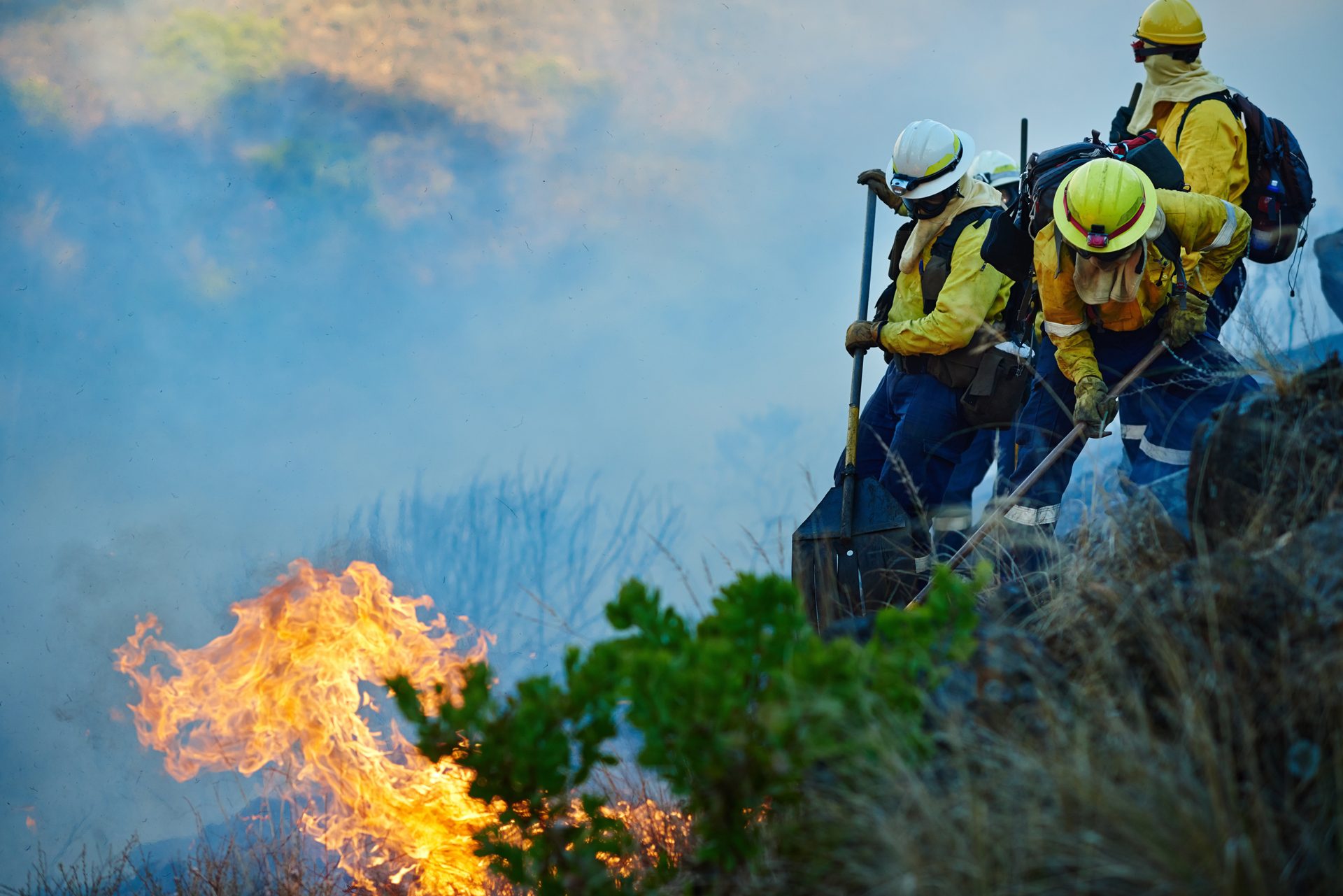
- Interior is offering up to $20 million to strengthen local wildfire response.
- Funding supports small, rural agencies facing rising wildfire risk.
- Grants allow rapid conversion of existing vehicles into fire engines.
- A parallel program expands wildfire career training for Native youth.
- Federal agencies warn the 2026 wildfire season may be more severe.
Wednesday, February 4, 2026 — The U.S. Department of the Interior announced Monday that up to $20 million will be made available to strengthen local governments’ wildfire response capacity. The funding is being distributed through the Slip-on Tanker Pilot Program, which is designed to assist small and remote emergency response agencies that often operate with limited equipment.
The program allows agencies to purchase slip-on tanker units that can be mounted on existing trucks, utility terrain vehicles, and similar equipment. Once installed, these units allow standard vehicles to function as wildland fire engines, increasing flexibility and response speed during initial fire attacks.
Interior officials say the program is intended to help rural communities respond more quickly when wildfires ignite, reducing risks to lives, property, and critical infrastructure.
Elevated Wildfire Risk Forecast for 2026.
The funding announcement comes as federal fire and climate agencies are signaling elevated wildfire risk across large portions of the Western United States heading into the 2026 season. National assessments cite the combined effects of long-term drought, persistent heat, and unusually dry vegetation.
Seasonal drought and temperature outlooks indicate continued moisture deficits in several key river basins. At the same time, national fire outlooks point to wildfire risk windows expanding earlier in the year and lasting longer across the Southwest, Great Basin, and parts of the Pacific Northwest. Historically, these conditions have been linked to larger, faster-spreading fires and increased strain on firefighting resources.
Interior officials say improving local response capacity is especially important under these conditions, as rural agencies are often the first to confront new ignitions.
Grant Eligibility and Application Details.
The Slip-on Tanker Pilot Program is open to local governments that provide emergency services to communities with populations of 50,000 or less. Eligible applicants must serve areas classified as having moderate to high wildfire risk using federal assessment tools.
Grant awards range from $10,000 to $249,000. This is the third round of funding under the program, with applications due by March 23, 2026. In January 2026, the Department of the Interior awarded $5 million to 97 local emergency response agencies under earlier funding rounds.
Officials describe the program as part of a broader federal effort to improve wildland fire management and coordination among local, tribal, state, and federal agencies.
Expanding the Native Youth Wildfire Workforce.
Yesterday, the Department of the Interior announced a separate initiative focused on workforce development. A new partnership between the Bureau of Indian Affairs and the Bureau of Indian Education expands training pathways for Native youth interested in wildland firefighting careers.
The Native Youth Firefighter Training Program provides high school and post-secondary students with hands-on instruction, mentorship, and technical training. Participants are prepared for seasonal and permanent positions with tribal, federal, and state fire programs.
Current participants include students from schools in South Dakota, Montana, New Mexico, and Oklahoma. Federal officials are also exploring future participation through a dual enrollment program at Southwestern Indian Polytechnic Institute in New Mexico.
Looking Ahead.
Federal officials say the combined focus on equipment readiness and workforce development reflects growing concern about wildfire conditions in the West. With agencies warning that the 2026 wildfire season may be longer and more intense, programs that strengthen local response and expand trained firefighting capacity are expected to play a larger role in regional preparedness.
Q&A
What is the Slip-on Tanker Pilot Program?
It is a federal grant program that helps local emergency agencies purchase portable tanker units that can be mounted on existing vehicles for wildland firefighting.
Who can apply for the grants?
Local governments serving communities with populations of 50,000 or fewer that face moderate to high wildfire risk.
How much funding can agencies receive?
Grant awards range from $10,000 to $249,000.
When is the application deadline?
Applications must be submitted by March 23, 2026.
Why is wildfire risk expected to be higher in 2026?
Federal assessments cite ongoing drought, persistent heat, and dry fuels across much of the Western United States.
What is the Native Youth Firefighter Training Program?
It is a federal initiative that prepares Native students for careers in wildland firefighting through education, mentorship, and hands-on training.
