
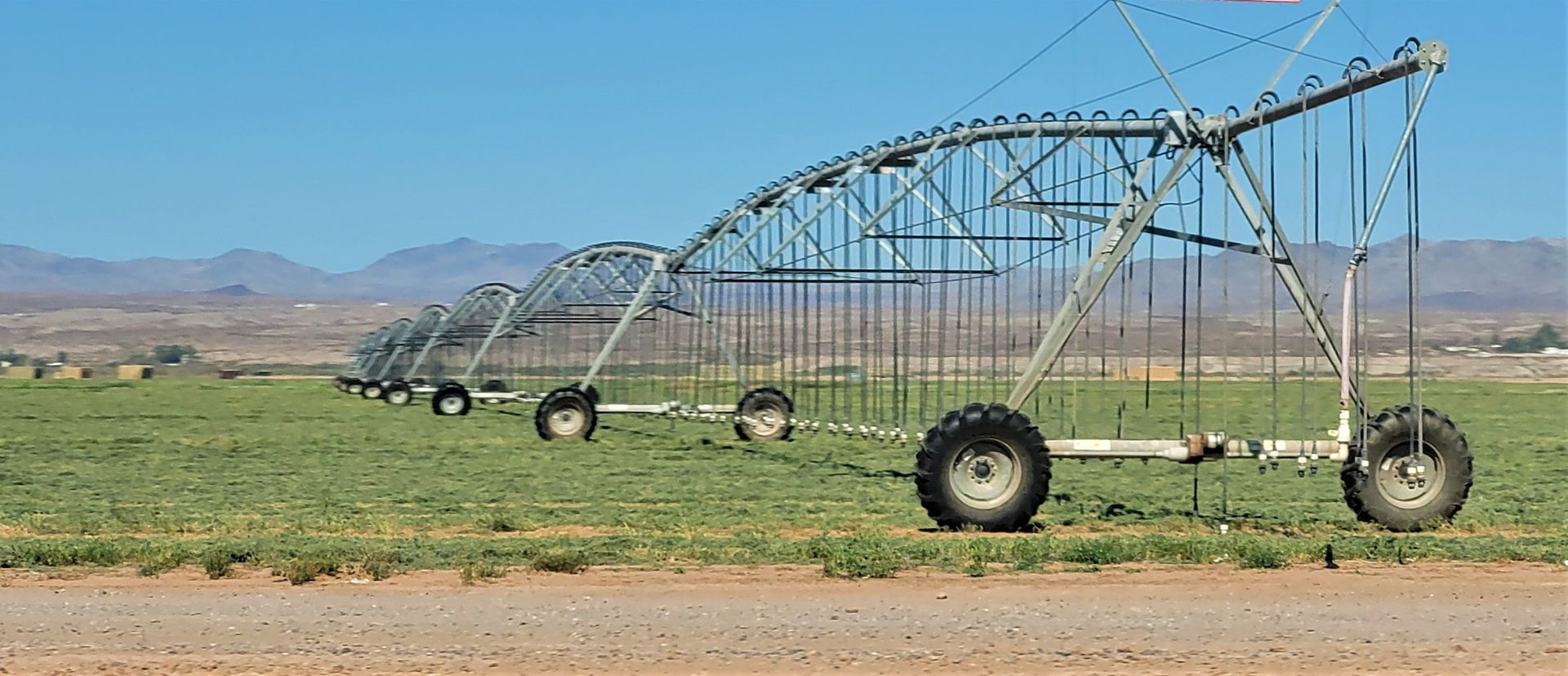
- Arizona Attorney General Kris Mayes said on February 3, 2026, the state is continuing its lawsuit over alleged excessive groundwater pumping in La Paz County.
- The Arizona Department of Water Resources designated the Ranegras Plain Groundwater Basin as an Active Management Area on January 9, 2026.
- The state says the lawsuit and the Active Management Area serve different legal purposes and can proceed at the same time.
- A supplemental court filing argues only a court can order relief tied to alleged harm by a single operator.
- The case may affect whether Fondomonte qualifies for grandfathered groundwater pumping rights.
Friday, February 6, 2026 — Arizona Attorney General Kris Mayes is continuing the state’s lawsuit against Fondomonte Arizona, LLC, even after state regulators moved to place new groundwater controls on the same basin. On February 3, 2026, the attorney general’s office filed a supplemental brief in the case , stating that the public nuisance lawsuit remains necessary despite the recent designation of the Ranegras Plain Groundwater Basin as an Active Management Area.
The state originally sued Fondomonte in December 2024, alleging the company’s groundwater pumping in La Paz County threatens public health, safety, and infrastructure in surrounding communities. The lawsuit focuses on pumping levels in the Ranegras Plain Basin, an area that relies entirely on groundwater and has experienced long-term declines in water levels.
On January 9, 2026, the Arizona Department of Water Resources formally designated the Ranegras Plain as a subsequent Active Management Area. The designation followed years of agency review, public meetings, and a formal hearing process. State hydrologists documented groundwater withdrawals that far exceed natural recharge, along with measurable land subsidence that reduces the aquifer’s ability to store water.
In its supplemental filing, the attorney general’s office argues that the Active Management Area process and the lawsuit address different issues. The regulatory designation establishes basinwide conservation and reporting requirements that unfold over time. The lawsuit, by contrast, seeks court-ordered remedies tied to alleged harm caused by a single operator, including injunctive relief and the potential creation of an abatement fund.
The state also raises the issue of grandfathered groundwater rights, which may be granted to users in a newly designated Active Management Area based on lawful groundwater use before designation. According to the filing, if a court determines that Fondomonte’s pumping constituted a public nuisance, that finding could affect whether the company qualifies for those rights. Fondomonte disputes the state’s allegations, and the case remains pending as regulatory planning for the Ranegras Active Management Area moves forward.




 wpDiscuz