
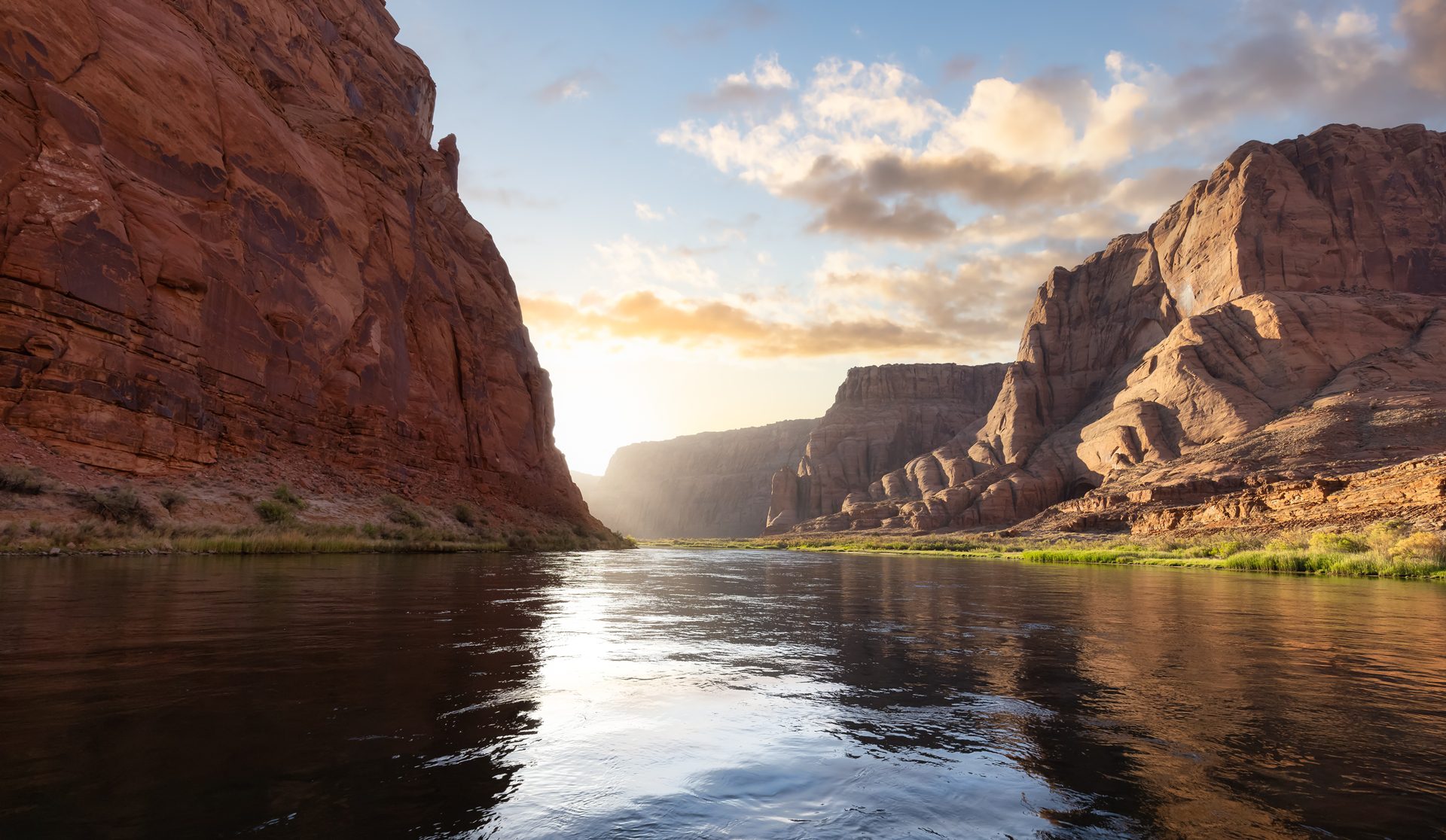
- Draft federal proposals could sharply reduce Arizona supplies.
- Central Arizona Project leaders call all options harmful.
- Coalition urges public comments to the Bureau of Reclamation and provides comments template.
- Debate centers on fairness under the 1922 Colorado River Compact.
Friday, February 20, 2026 — Arizona water leaders are pushing back against federal Draft Environmental Impact Statement proposals for post-2026 Colorado River operations. The Central Arizona Project warns that several alternatives could disproportionately reduce Arizona’s water supply compared to other basin states, raising concerns about compliance with the Colorado River Compact and the long-term stability of Lake Mead and Lake Powell operations.
The Stakes for Arizona’s Water Future.
On January 26, 2026, the Central Arizona Project released a public statement responding to the federal Draft Environmental Impact Statement for post-2026 Colorado River operations . The Draft Environmental Impact Statement, prepared by the Bureau of Reclamation, outlines potential operating rules for Lake Powell and Lake Mead after the current guidelines expire in 2026.
According to the Central Arizona Project statement, all of the alternatives under consideration would place significant burdens on Arizona water users. The document describes six alternatives, including a required “no action” option and a possible “no deal” scenario if basin states cannot reach agreement.
The Colorado River supplies water to seven western states and Mexico. In Arizona, the Central Arizona Project canal carries Colorado River water to Phoenix, Tucson, and many surrounding communities. The river is often described as the state’s lifeline.
What the Draft Environmental Impact Statement Proposes.
The Draft Environmental Impact Statement is part of a federal process required before new operating guidelines can be adopted. It evaluates how different management strategies could affect reservoir levels, water deliveries, and environmental conditions after 2026.
The Central Arizona Project argues that under several alternatives, Arizona would face deeper reductions than other states. The statement also asserts that some proposals fail to adequately recognize obligations outlined in the Colorado River Compact of 1922 and subsequent federal laws.
The Colorado River Compact divided the basin into the Upper Basin, which includes Colorado, Wyoming, Utah, and New Mexico, and the Lower Basin, which includes Arizona, California, and Nevada. The Compact and subsequent agreements govern how much water each region may use and the delivery obligations.
The Central Arizona Project’s leadership contends that certain alternatives would concentrate the risk of declining river flows on the Lower Basin, particularly Arizona.
Concerns About Economic and Community Impacts.
Board members for the Central Arizona Water Conservation District, which manages the Central Arizona Project, warned that the proposed alternatives could affect municipal, tribal, and agricultural water supplies. The statement notes that the Central Arizona Project delivers more tribal water than any other entity in the United States.
The Colorado River supports an estimated 43 million people across the basin and underpins major economic sectors, including agriculture, manufacturing, and energy production. Within the Lower Basin, a significant share of population, employment, and tribal communities depend on Colorado River deliveries.
Arizona leaders have emphasized that the state has reduced Colorado River use over the past several decades while its population has grown. The Central Arizona Project argues that Arizona has already taken substantial reductions and should not bear additional disproportionate cuts.
A Public Campaign and Call for Action.
In response, a group called the Coalition for Protecting Arizona’s Lifeline has launched a public outreach effort. The coalition describes itself as a nonpartisan alliance focused on long term water security and economic resilience.
The coalition website invites residents to sign a pledge supporting efforts to protect Arizona’s Colorado River supplies. It also provides a template letter encouraging public comments on the Draft Environmental Impact Statement. Comments may be submitted to the Bureau of Reclamation in Boulder City, Nevada, referencing the Draft Environmental Impact Statement for Post-2026 Operational Guidelines and Strategies for Lake Powell and Lake Mead.
The sample letter expresses concern that the proposed alternatives could severely affect Central and Southern Arizona communities. It also argues that federal decision makers should fully consider Compact obligations and the economic consequences of their choices.
The Bigger Basin Picture.
The Colorado River Basin faces long term challenges from prolonged drought, rising temperatures, and structural overuse. Reservoir levels at Lake Mead and Lake Powell have fluctuated significantly over the past two decades. Federal officials and basin states are under pressure to develop a durable framework for sharing shortages after 2026.
The Bureau of Reclamation has encouraged negotiated agreements among the states. The Central Arizona Project statement also calls for a negotiated solution, noting that the river has historically functioned best when basin states agree on management approaches.
What Happens Next.
The Draft Environmental Impact Statement is subject to public comment before a final decision is issued. Federal officials will review submitted comments, evaluate environmental impacts, and determine how to proceed with new operating guidelines.
For Arizona, the outcome will shape municipal growth, agricultural production, tribal water settlements, and industrial development for decades. For the basin as a whole, the post-2026 framework may define how the Southwest manages a river that no longer produces the water it once did.
On February 14, the United States Department of the Interior announced that it would move forward with new operating guidelines for the Colorado River after the seven Basin states did not reach full agreement on how to manage the river after 2026. The public comments deadline on the Draft Environmental Impact Statement is March 2, 2026.


There are a lot of tributaries that feed into it, and everyone is fighting over them, too. I think it’s impossible to stop using the river.