- Park launches new planning effort to address declining wetlands.
- Moose and elk browsing are reducing tall willow and beaver habitat.
- Public invited to a virtual information session December 8.
- Formal public comments accepted December 8 through January 8.
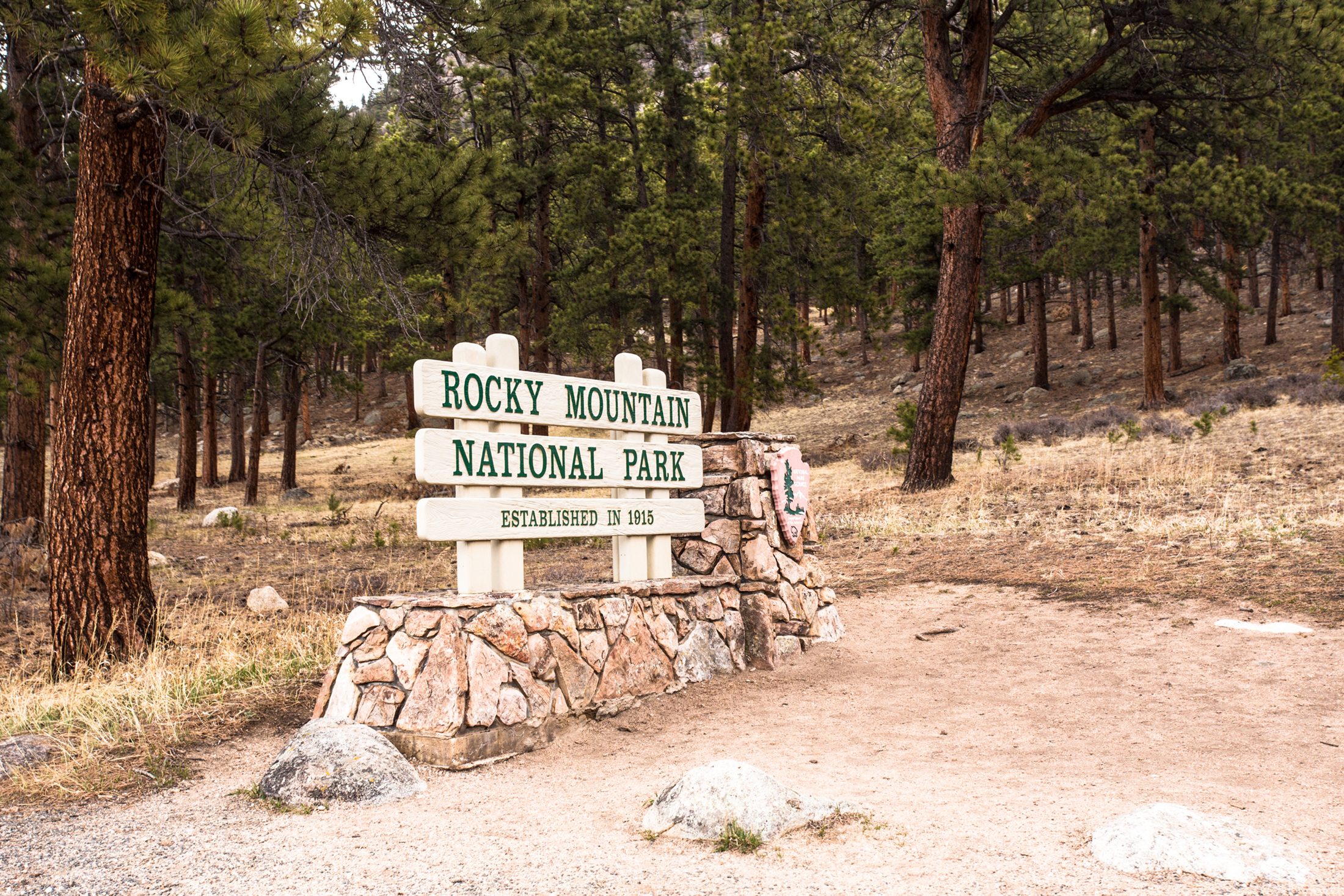
Monday, December 1, 2025 — On Wednesday, Rocky Mountain National Park announced a new planning effort to address a troubling trend unfolding across some of its most sensitive landscapes. Park staff have documented a long-term decline in riparian wetlands, the ecosystems anchored by tall willow, beaver activity, and high groundwater tables. This decline is closely tied to historic human alterations, the removal of top predators, and the increasing impact of moose and elk browsing on vulnerable vegetation.
Park officials said the effort is intended to examine how wetland and moose management strategies can protect these ecosystems for future generations. Although the planning process is just beginning, the National Park Service has encouraged robust public participation.
Public Information Session Scheduled December 8.
Rocky Mountain National Park will host a virtual information session on December 8, 2025, from 6 to 7:15 p.m. Mountain Time. The meeting will feature a presentation by park staff, followed by a question-and-answer session. Officials will also explain how members of the public can submit formal written comments through the Planning, Environment and Public Comment website.
A recording of the meeting will be posted on the park’s planning page for those unable to attend. Live captioning will be provided.
Public comments for this planning stage will be accepted from December 8 through January 8, 2026. Comments may be submitted online once the comment portal opens on December 8 or mailed to the superintendent at Rocky Mountain National Park.
Why Wetlands Matter in Rocky Mountain National Park.
Although wetlands occupy a small part of the park, they support a substantial share of its biological diversity. According to park information, wetlands cover roughly four percent of the landscape but provide habitat for nearly one third of all plant species in the park, including most of its rare species. They also support forty-five percent of bird species and one fifth of mammal species for seasonal foraging and reproduction.
Wetlands improve water quality by slowing water flow, trapping sediment, and filtering nutrients. They also help landscapes withstand drought, extreme precipitation, and wildfire by retaining water and supporting groundwater recharge.
Types of Wetland Ecosystems in the Park.
The park’s wetlands fall into three primary categories.
Fens:
These wetlands are fed by groundwater and often support rare plants.
Wet Meadows:
Wet meadows rely on precipitation and poor drainage. They tend to dry out during summer months.
Riparian Wetlands:
These wetlands form when streams and rivers spill out of their banks during seasonal runoff. Healthy riparian wetlands depend on tall willows and beavers. Tall willow shrubs provide food and building material for beavers, whose dams raise local water levels and create conditions for new willow growth. This cycle supports broad wetland zones that benefit fish, amphibians, birds, and other wildlife.
How Historic Human Activity Reshaped Wetlands.
Human influence on the region’s wetlands dates back many generations. More recent activity during the nineteenth and twentieth centuries included draining wetland areas for ranching and recreation, altering vegetation communities, and removing predators such as wolves and grizzly bears. Elk were later reintroduced without the predators that once helped regulate their numbers.
Over time, increased browsing by elk and moose reduced tall willow cover in many wetland areas, limiting beaver habitat and reducing the extent of wet, overbanked streams. Park staff have observed these changes in Horseshoe Park, Upper Beaver Meadows, Moraine Park, and the Kawuneeche Valley.
Ongoing Restoration and Research
The park has actively managed portions of its wetland ecosystems since 2008 under the Elk and Vegetation Management Plan. These efforts include fencing sensitive vegetation, managing elk populations, removing invasive species, and planting native shrubs such as alder, birch, and willow.
On the west side of the park, wetland restoration work in the Kawuneeche Valley has continued since 2023. Park biologists are also conducting research on moose populations to better understand how their browsing behavior affects the long-term health of wetland ecosystems.
The new planning process announced on November 26 seeks to evaluate and refine these ongoing efforts as wetland ecosystems continue to respond to ecological pressures.
FAQ
Why are wetlands declining in Rocky Mountain National Park?
Wetlands have been affected by historic ditching and draining, vegetation removal, predator loss, heavy browsing from elk and moose, and reduced beaver activity. These combined factors have lowered water tables and reduced tall willow stands.
Why are moose a concern for wetland health?
Moose feed heavily on willow. In areas where tall willow is already limited, additional browsing pressure can prevent new growth and hinder wetland recovery.
How do wetlands support water quality?
Wetlands slow down water flow, trap sediment, and filter nutrients such as nitrogen and phosphorus. These processes improve water clarity and reduce pollutant levels.
What is the purpose of the December 8 information session?
The session will provide an overview of wetland conditions, explain the planning process, and answer questions from the public. It will also outline how to submit formal comments.
How can the public provide comments?
Comments can be submitted online beginning December 8 through the park’s planning webpage, or mailed to Rocky Mountain National Park. Comments will be accepted through January 8, 2026.
Are personal details kept confidential when submitting comments?
The National Park Service cautions that comments, including personal information, may be made publicly available. Individuals may request that their information be withheld, though the agency cannot guarantee that it will be possible in all cases.