
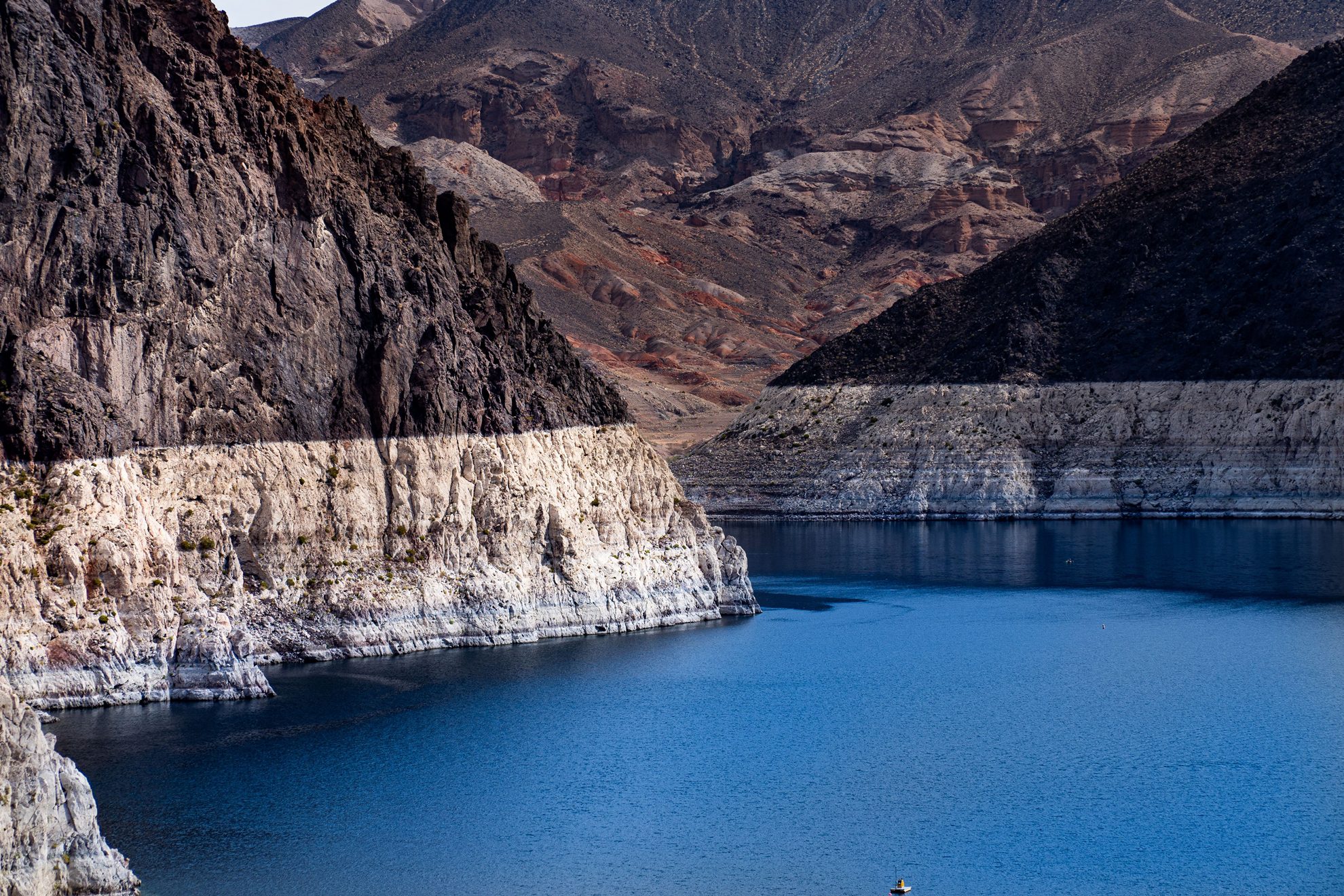
- Basin-wide reservoir storage rose slightly in October and November.
- Lake Powell and Lake Mead gained storage for only the second time since 2010.
- San Juan River basin reservoirs increased by 19 percent.
Saturday, December 6, 2025 — Utah State University’s Jack Schmidt reported on December 3, 2025, that widespread October and November rainfall temporarily slowed the rapid depletion of Colorado River reservoirs. The two-month period brought one of the few basin-wide storage increases since 2010, offering short-term flexibility as the region heads into a winter snow season forecast to be below average.
According to the report , the Colorado River Basin held 24.63 million acre-feet of active storage as of November 30. Roughly 90 percent of that volume was concentrated in twelve federally managed reservoirs, including Lake Powell and Lake Mead. Although this level mirrors conditions last seen in early 2022, which were described by experts as a crisis, the short-lived gains helped interrupt what has been a multi-year downward trajectory.
When compared with the basin-wide consumptive use and loss rate of 12.7 million acre-feet recorded in 2024, current storage represents less than two years of supply. The report noted that the system continues to operate near the edge of vulnerability.
Lake Powell Receives a Short Surge.
Autumn rains and reduced releases created a brief period from October 11 to October 18 during which inflow to Lake Powell exceeded outflow. Powell gained 105,000 acre-feet during that week, a 1.6 percent rise. The San Juan River contributed nearly 40 percent of the inflow, and October flows were the strongest since 2015.
Despite losing 147,000 acre-feet in November, Powell still ended the two-month window with a net gain of approximately 52,000 acre-feet.
Lake Mead’s Increase Came From Reduced Releases.
Unlike Lake Powell, Lake Mead did not benefit substantially from direct rainfall. Most of its inflow continued to depend on scheduled releases from Lake Powell. Supplemental contributions included 101,000 acre-feet from tributaries below Lees Ferry and 8,000 acre-feet from the Virgin River.
Meaningful change occurred late in November when Hoover Dam outflows were significantly reduced. October releases totaled 485,000 acre-feet, compared with 415,000 acre-feet in November. These reduced releases helped slow the decline of Lake Mead despite limited natural inflow.
Combined Powell and Mead Storage Ticks Up.
Together, Lake Powell and Lake Mead added about 63,000 acre-feet in October and lost only 38,000 acre-feet in November. In total, the pair gained approximately 25,000 acre-feet across the two months. According to Utah State University, this marked only the second time since 2010 that combined storage increased during October and November.
While modest, the shift represented a significant slowdown in depletion rather than a major recovery.
San Juan Basin Reservoirs Show Strongest Response.
The San Juan River basin experienced the most pronounced increases of the season. Five reservoirs in that watershed grew by 197,000 acre-feet during October and November, with the largest gains in Navajo Reservoir and Vallecito Reservoir.
Elsewhere in the basin, the story differed. Reservoirs in the upper Colorado River watershed lost an estimated 57,000 acre-feet, and reservoirs in the Green River watershed declined by another 10,000 acre-feet during the same period.
Looking Ahead.
The report emphasized that despite these short-term improvements, total active storage remains low relative to recent use. With winter snowpack forecasts calling for below-average accumulation, water managers enter the season with limited reserves and continued pressure to balance risk across the entire system.