- Student researchers are examining how groundwater pollution affects major ecosystems.
- University-led studies focus on mining legacies and water quality impacts.
- Findings may inform long-term water protection and cleanup strategies.
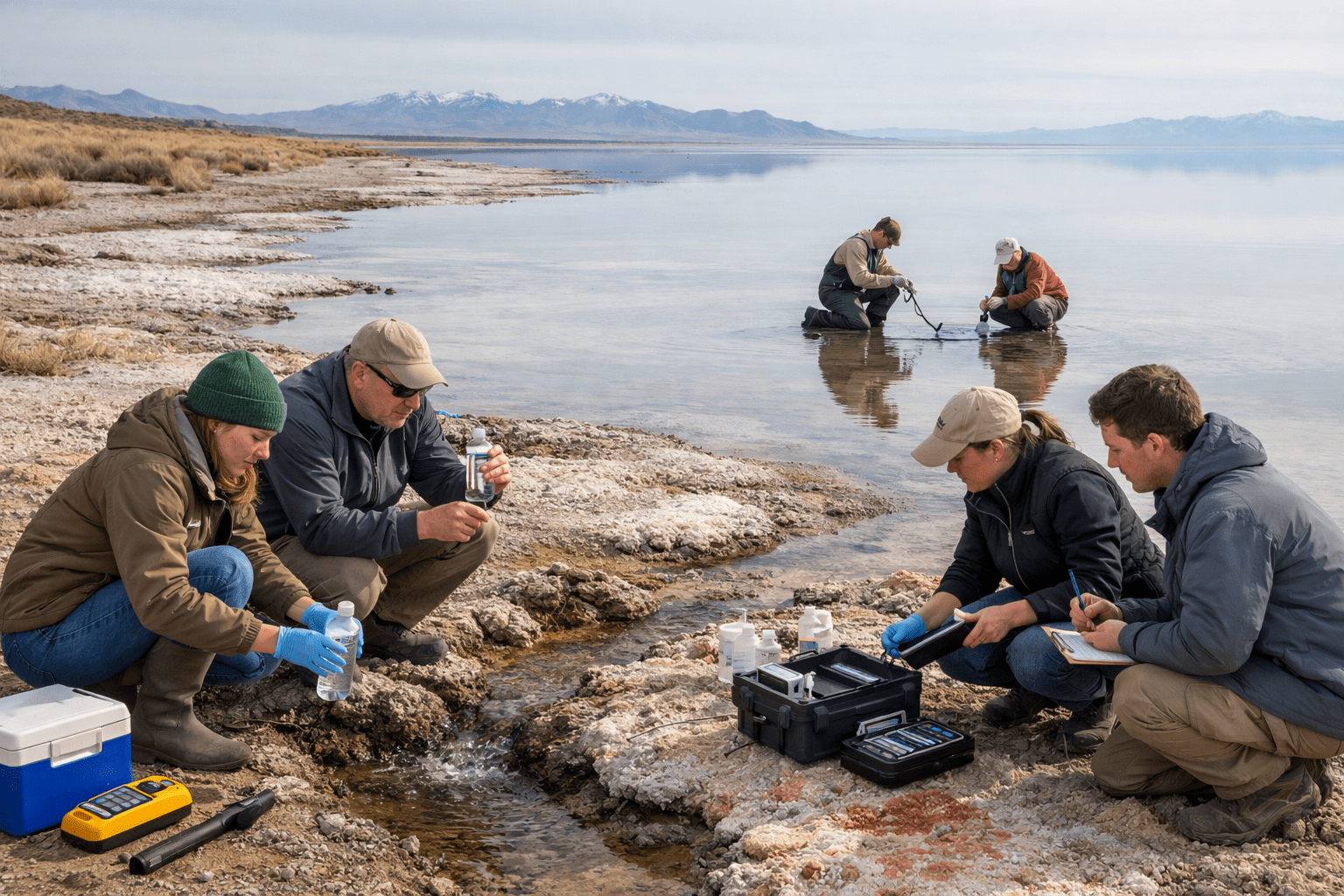
Wednesday, December 17, 2025 — According to a December 10, 2025, report from Brigham Young University , geology professor Greg Carling and a team of graduate students are investigating whether groundwater contamination is affecting the Great Salt Lake, a critical habitat for migratory birds. Recent research indicates that groundwater provides roughly 10 to 15 percent of the lake’s inflow, a larger share than previously recognized. The team is using thermal drone surveys to locate cooler groundwater seeps entering the lake, then collecting water samples to analyze minerals and trace elements. Their work focuses in part on selenium, a naturally occurring element that can be harmful to wildlife at elevated levels, particularly if it originates from nearby mining activity. BYU reports that the project combines fieldwork, laboratory analysis, and student training while addressing concerns about how contaminants accumulate in closed-basin lakes where water evaporates but dissolved elements remain.
Research Links Groundwater Quality to Public Health.
A separate December 10, 2025, report from the University of Idaho highlights graduate research connecting groundwater contamination to human health impacts within the Navajo Nation. Doctoral student Malynndra Tome, working under professor Greg Moller, recently published a review documenting how abandoned mining sites have contributed to arsenic and uranium contamination in unregulated water sources. The University of Idaho reports that approximately 20 to 30 percent of Navajo Nation households lack access to a safe and reliable water supply, forcing reliance on wells and springs that often exceed drinking-water standards. Tome’s research also examines how limited access to health care and nutritious food can heighten the health risks associated with contaminated water. The work underscores how groundwater quality issues extend beyond environmental concerns to include long-term public health and equity challenges, particularly in rural and tribal communities.
Image is AI-generated.