
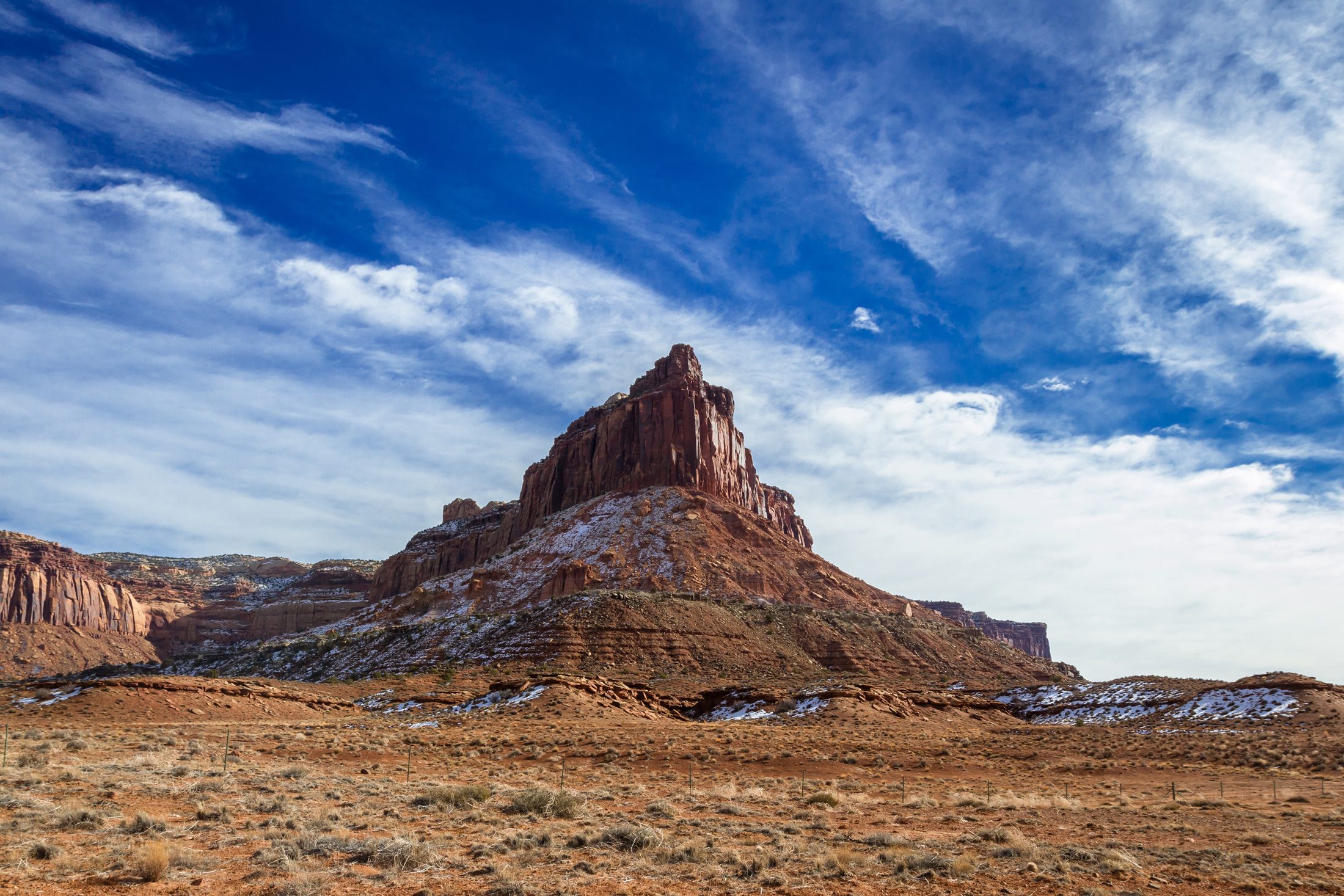
- Snowpack is below normal after a warm, dry November and December.
- Nearly all of Utah is now experiencing some level of drought.
- Well-saturated soils could improve spring runoff efficiency.
- Water managers continue to stress conservation and preparedness.
Friday, December 19, 2025 — Utah entered the winter of 2025 with below-normal snow totals following an unusually warm and dry November and December, according to a Utah Division of Water Resources update published December 18, 2025. While officials say the situation is concerning, they note that conditions can still change, as Utah’s snowpack typically reaches its peak in early April.
State water officials emphasized that two or three strong storm cycles later in the winter could bring snowpack closer to seasonal norms. Until then, early indicators point to increased uncertainty for the upcoming water year.
Northern Utah Sees the Poorest Conditions.
The most significant shortfalls are being recorded in northern Utah. While southern Utah basins benefited from early snow, northern regions experienced a sharp contrast following a record-setting October for precipitation.
Salt Lake City, in particular, saw extreme temperature patterns. After an unusually wet October, November set a record for the highest average temperature on record. By mid-December, the city’s average monthly temperature reached 42.2 degrees Fahrenheit, which was 8.6 degrees above normal for that time of year.
These temperature extremes reduced snowfall accumulation and increased concern about how much snow will ultimately be available to supply rivers and reservoirs in the spring and summer.
Drought Coverage Expands Rapidly.
As of mid-December 2025, approximately 93 percent of Utah was experiencing some form of drought, ranging from abnormally dry conditions to severe drought. This represents a dramatic change from the same time in 2024, when only 19 percent of the state was classified as being in drought.
State officials attribute the rapid expansion of drought conditions to ongoing climate variability and increasingly extreme weather patterns.
“Utah’s water supply has been driven by extremes and has only experienced four ‘normal’ snow years in the past 30 years,” said Candice Hasenyager, director of the Utah Division of Water Resources. “The one thing we can control is how we use our water and what impactful decisions we make to be good water stewards.”
Soil Moisture Could Help Offset Snow Losses.
One positive factor heading into the winter is soil moisture. Utah’s soils are currently wetter than normal for this time of year. In dry years, dry soils tend to absorb snowmelt like a sponge, limiting how much water reaches streams and reservoirs.
Because soils are already well saturated, water managers say spring snowmelt could convert more efficiently into runoff, assuming snowpack improves later in the season. This could help partially offset current snow deficits if late-winter storms materialize.
Snowpack Remains Central to Utah’s Water Supply.
Snowpack remains the foundation of Utah’s water system. Roughly 95 percent of the state’s water supply originates as mountain snow. Reservoirs then store that water for use during the dry summer months and extended drought periods.
Given this dependence, water officials continue to emphasize conservation as a critical tool for managing uncertainty. The Utah Department of Natural Resources is promoting programs such as the Agricultural Water Optimization Program for farmers and the Slow the Flow initiative for residents. These efforts focus on education, efficiency upgrades, and long-term drought resilience.

Great point! Utah’s residents do a good job on water conservation. Nevada does, too.