- A state of emergency was declared in six counties following intense late December storms.
- Atmospheric rivers increased flood and debris flow risks, especially in burn scar areas.
- State agencies pre-deployed emergency resources while reservoirs prepared to capture runoff.
- California continues expanding storage and groundwater recharge to prepare for dry years.
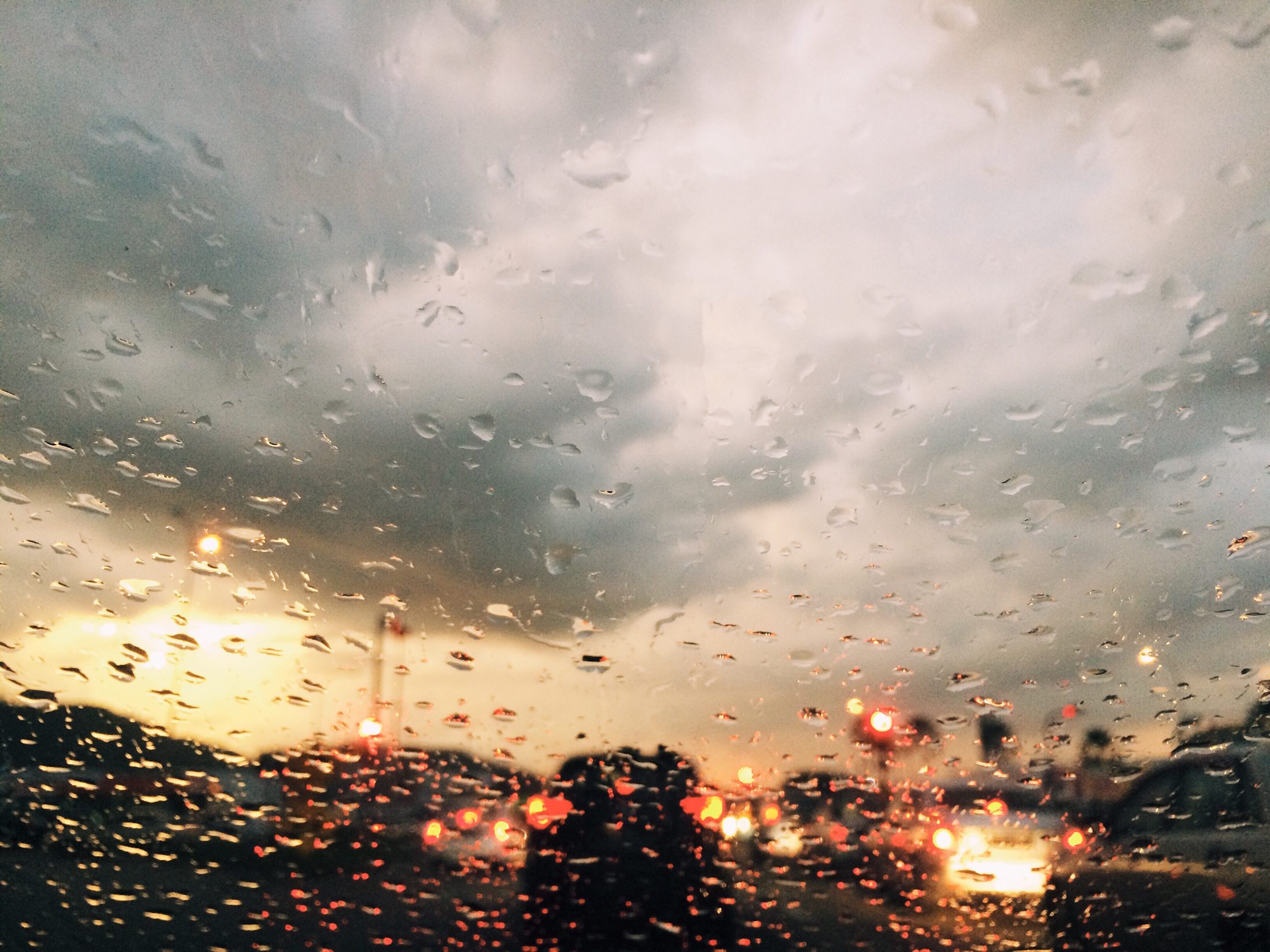
Christmas Day, 2025 — Yesterday, Governor Gavin Newsom proclaimed a state of emergency for Los Angeles, Orange, Riverside, San Bernardino, San Diego, and Shasta counties following a series of powerful late December storms. The declaration was issued as multiple atmospheric rivers delivered intense rainfall and strong winds across much of California.
The storms arrived on top of already saturated soils, increasing the risk of flooding, landslides, debris flows, and rapidly rising creeks and rivers. Recently burned areas in Southern California, including the Airport, Bridge, Line, Palisades, and Eaton Fire burn scars, faced heightened mudslide threats as heavy rain continued.
State officials said the emergency declaration allows California to move quickly to protect communities and support local governments. In anticipation of storm impacts, state agencies pre-positioned emergency response resources statewide. These included dozens of fire engines, swift water rescue teams, hand crews, heavy equipment, helicopters, an incident management team, an Urban Search and Rescue Team, and hundreds of personnel.
The declaration also enables the rapid mobilization of assistance under the California Disaster Assistance Act, allows for potential deployment of the California National Guard, and authorizes transportation officials to seek federal assistance for damaged roads and highways.
Turning Flood Risk Into Water Supply.
While the storms raised immediate safety concerns, state water managers also viewed the winter rainfall as an opportunity to strengthen long-term water supplies. A day earlier, on December 23, 2025, the Newsom administration outlined how California is working to capture and store stormwater during the winter season for use in drier months.
Winter rains are a critical period for water management in California. Following several weeks of dry conditions in much of the state, many reservoirs had available capacity to help manage flood flows while capturing runoff. At Lake Oroville, the largest reservoir in the State Water Project, storage stood at about 54 percent of capacity, leaving room to absorb high inflows from winter storms.
State officials emphasized that capturing water during wet periods is essential to preparing for future droughts and increasing climate variability. Recent storms in November demonstrated this approach in action, particularly in urban areas. In Los Angeles, local stormwater capture projects collected billions of gallons of water during those storms, enough to supply tens of thousands of households.
Expanding Storage Above and Below Ground.
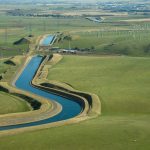
California has continued investing in both surface and underground water storage. In the Sacramento and San Joaquin regions, the state partnered with 14 local agencies to divert flood flows for groundwater recharge. Preparations included deploying large-capacity pumps and clearing hundreds of acres of land so excess water could safely move into underground aquifers instead of causing downstream flooding.
These efforts build on a 2023 executive order that authorized flood flow diversions to reduce flood risk while improving groundwater supplies. State officials reported that aquifer conditions across California are improving due to abundant precipitation and expanded recharge efforts, along with better monitoring and coordination among local agencies.
Major infrastructure investments are also underway. The Big Notch fish passage project along the Sacramento River Basin is designed to improve migration conditions for endangered winter-run Chinook salmon while supporting the water supply relied upon by millions of residents. The project reflects ongoing efforts to balance water reliability with environmental protection.
In addition, the state committed $219 million in August to advance the Sites Reservoir project. The off-stream reservoir is designed to capture excess flows from the Sacramento River during wet periods and store them for use during dry years. Once completed, it is expected to hold up to 1.5 million acre-feet of water, enough to supply millions of homes annually.
Managing Extremes in a Changing Climate.
Together, the emergency response and water supply initiatives illustrate how California is addressing increasingly extreme weather patterns. Intense winter storms can pose immediate dangers, particularly in urban areas and burn scars, while also offering rare opportunities to rebuild water reserves.
State officials noted that the challenge moving forward is managing both risks at the same time: protecting lives and infrastructure during storms while capturing as much water as possible for long-term resilience.
Frequently Asked Questions
Why did California declare a state of emergency in late December 2025?
The declaration followed a series of atmospheric river storms that caused heavy rainfall, strong winds, and increased risks of flooding, landslides, and debris flows in multiple counties.
Which counties were included in the emergency declaration?
Los Angeles, Orange, Riverside, San Bernardino, San Diego, and Shasta counties were covered by the proclamation.
What does the emergency declaration allow the state to do?
It enables rapid deployment of state resources, support for local governments, possible National Guard assistance, and access to funding for infrastructure repairs.
How does California capture stormwater for future use?
The state and local agencies use reservoirs, stormwater capture systems, flood diversions, and groundwater recharge basins to store excess runoff during wet periods.
Are California reservoirs currently able to handle heavy storms?
Many reservoirs entered the winter season with available capacity, allowing them to help manage flood flows while capturing water for later use.
Why is groundwater recharge important?
Groundwater recharge helps refill underground aquifers, reduces reliance on pumping during dry years, and improves long-term water security.
How do these efforts relate to climate change?
More extreme swings between wet and dry conditions make it essential to manage flood risk while maximizing water storage during periods of heavy precipitation.