
- A warehouse fire released chemical-laden debris into the Dominguez Channel Estuary.
- Improper storage led to toxic hydrogen sulfide odors across multiple communities.
- The court penalized operators for permit violations and unlawful discharges.
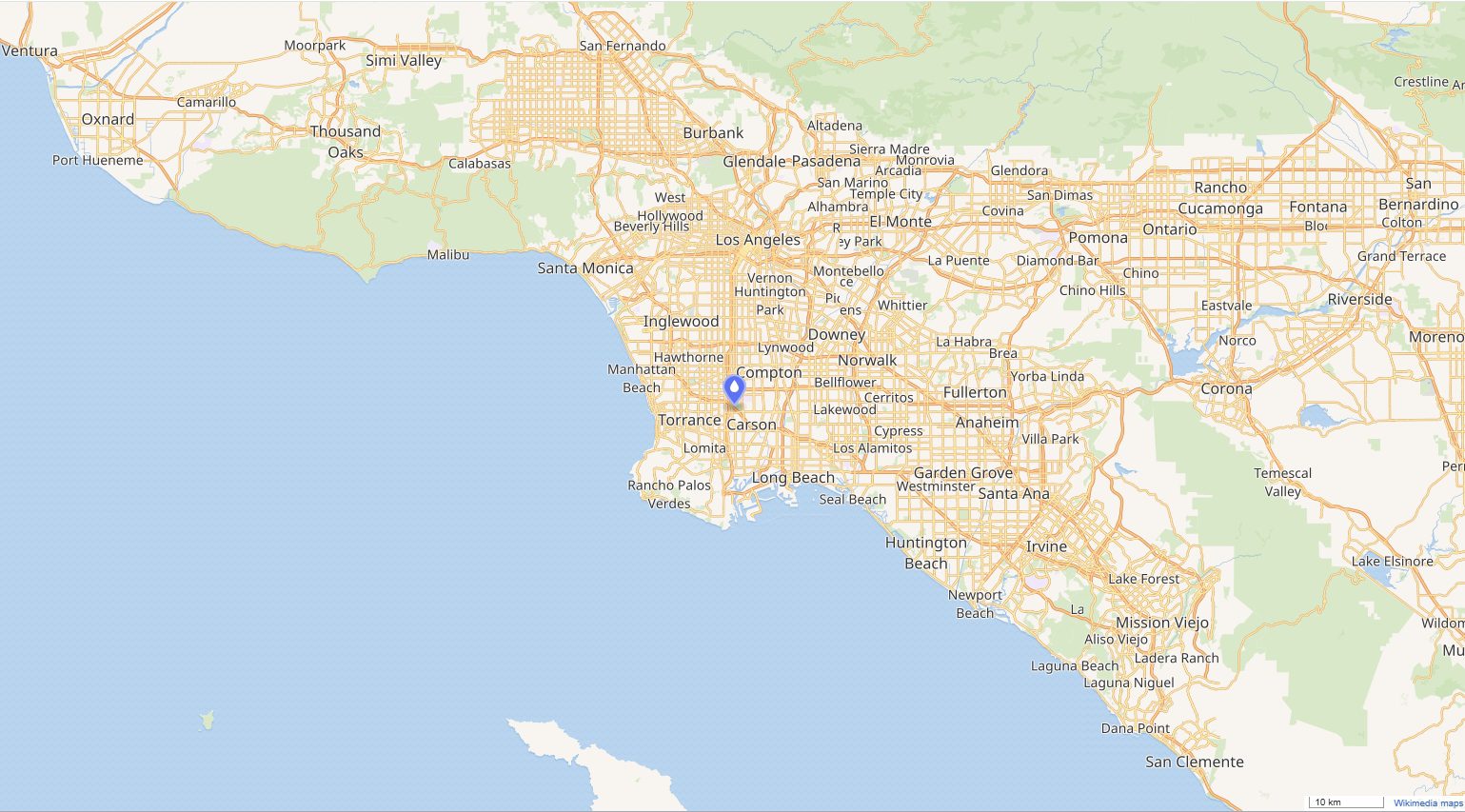
Monday, January 5, 2026 — A Los Angeles County Superior Court judge has imposed more than $10 million in penalties against the operators of a warehouse that caught fire in the City of Carson in September 2021. The ruling concluded that polluted runoff from fire debris contributed to a prolonged odor incident in the Dominguez Channel Estuary that affected nearby communities for weeks.
The legal action followed an investigation by the Los Angeles Regional Water Quality Control Board into the September 30, 2021, fire. Investigators found that large quantities of alcohol-based consumer products, including hand sanitizers and antibacterial wipes, were stored improperly and left exposed after the fire. As debris sat outdoors, rain and runoff carried chemicals into storm drains that flow directly to the Dominguez Channel.
Rotten Eggs: How Fire Debris Affected Water and Air Quality.
According to court findings, the contaminated runoff released elevated levels of hydrogen sulfide, a colorless and highly toxic gas known for its strong rotten-egg odor. The gas accumulated in the channel and surrounding area, triggering more than 4,000 odor complaints from residents.
Communities including Gardena, Wilmington, Torrance, Redondo Beach, and Long Beach reported nausea, dizziness, and headaches that persisted for several weeks after the fire. Monitoring by the South Coast Air Quality Management District found hydrogen sulfide concentrations up to 230 times the state nuisance standard in parts of the affected area.
Court Ruling and Financial Penalties.
After a 17-day trial, the court issued its decision on December 16, 2025. The judge ordered a $10 million penalty against Day to Day Imports Inc., Virgin Scent, Inc., and four corporate officers for failing to obtain a required stormwater permit. An additional $575,000 penalty was assessed for unlawfully discharging pollutants into waters of the state.
The warehouse property owners, Liberty Property Limited Partner and Prologis, Inc., were also found liable. However, the court did not impose a monetary penalty on the owners because they had already spent approximately $10 million on site cleanup and remediation following the fire.
Regulatory Oversight in a Densely Populated Region.
The Los Angeles region is home to roughly 10 million residents and includes a complex mix of urban, residential, industrial, agricultural, and open-space land uses. Coastal watersheds in both Los Angeles and Ventura counties drain through heavily developed areas, increasing the risk that industrial accidents can quickly affect water quality and nearby neighborhoods.
In a statement released after the ruling, Los Angeles Water Board Chair David Nahai said the decision underscores the responsibility of businesses to properly manage hazardous materials and comply with stormwater permitting requirements. He noted that the court recognized the significant disruption and distress experienced by residents during the weeks-long odor incident.
Implications for Stormwater Compliance.
Stormwater permits are designed to prevent pollutants from industrial sites from entering waterways during rain events or cleanup activities. The court’s decision highlights how failures in storage, post-fire debris management, and permitting can lead to both environmental harm and substantial financial penalties.
For regulators, the case reinforces the role of enforcement actions in protecting water quality and public health, particularly in regions where waterways run through dense urban and industrial corridors.
Frequently Asked Questions
What caused the Dominguez Channel odor incident in 2021?
The incident was linked to polluted runoff from fire debris at a Carson warehouse. Improperly stored alcohol-based products released chemicals into storm drains and the Dominguez Channel after a fire on September 30, 2021.
What is hydrogen sulfide, and why is it dangerous?
Hydrogen sulfide is a colorless, highly toxic gas with a strong odor. At elevated levels, it can cause nausea, headaches, dizziness, and more serious health effects with prolonged exposure.
Who was penalized by the court?
The court penalized Day to Day Imports Inc., Virgin Scent, Inc., and four corporate officers for failing to obtain a required stormwater permit and for unlawful pollutant discharges.
Why were the property owners not fined?
Although found liable, the property owners were not assessed a monetary penalty because they spent about $10 million on cleanup and remediation of the site.
Why are stormwater permits important for industrial sites?
Stormwater permits help ensure that rainwater and runoff do not carry pollutants from industrial properties into nearby streams, channels, and estuaries, protecting water quality and public health.



 wpDiscuz