- Arizona has designated the Ranegras Plain as a regulated groundwater area.
- Officials cited severe groundwater declines and land subsidence.
- New reporting and conservation rules will apply to large water users.
- Small domestic wells remain exempt from regulation.
Wednesday, January 14, 2025 — On January 9, 2026, the Arizona Department of Water Resources issued a formal Findings, Decision and Order designating the Ranegras Plain Groundwater Basin as a new Active Management Area . The designation makes Ranegras Plain Arizona’s eighth Active Management Area and the third created since 2022.
The order was signed by Arizona Department of Water Resources Director Thomas Buschatzke and applies to groundwater users in portions of La Paz and Yuma counties. The designation became effective following the required publication period outlined in the order.
Why the Ranegras Plain Was Designated.
According to the Department’s findings, groundwater pumping in the Ranegras Plain has increased sharply over the past decade, while natural recharge remains limited. The basin relies entirely on groundwater for agricultural, industrial, commercial, and residential uses.
State hydrologists found that annual groundwater withdrawals significantly exceed recharge. Over multiple decades, groundwater levels have declined dramatically, with one monitored well showing a drop of more than 240 feet over approximately 40 years. The Department also documented widespread land subsidence, meaning the ground surface is sinking as water is removed from underground formations.
Land subsidence in the basin has been measured using satellite-based techniques and has increased over time. According to the order, subsidence is largely permanent and reduces the aquifer’s future ability to store water.
Public Process and Community Input.
The Arizona Department of Water Resources first raised concerns about the Ranegras Plain at a Governor’s Water Policy Council Rural Groundwater Management Committee meeting in August 2023. An informational public meeting was held in October 2025, followed by a formal hearing in December 2025, as required by state law.
During the formal hearing process, the Department received more than 400 oral and written comments. According to the agency, the majority of comments supported the designation, citing concerns about declining wells, long-term water availability, and impacts to property and infrastructure.
Director Buschatzke stated that protecting groundwater supplies is necessary to preserve the future of residents and businesses that depend on the basin.
What an Active Management Area Means.
Active Management Areas are regulated groundwater basins created under Arizona law to address areas experiencing significant groundwater depletion or land subsidence. Once designated, an Active Management Area imposes new requirements on certain groundwater users.
Under the Ranegras Plain designation, non-exempt wells must measure and report groundwater withdrawals using approved equipment. Annual water use reports must be submitted to the Department beginning in 2027 for water pumped during the 2026 calendar year.
The designation also limits agricultural expansion. Land that has not been irrigated for crop production within the past five years generally may not be brought back into irrigation unless the owner demonstrates substantial prior investment, as defined by state rules.
Small domestic wells pumping 35 gallons per minute or less remain exempt and are not subject to reporting or conservation requirements.
Agricultural and Industrial Impacts.
The Arizona Republic reports that agricultural water use in the Ranegras Plain is estimated at nearly 40,000 acre-feet per year, while recharge is estimated at approximately 2,000 acre-feet annually. Until now, most rural groundwater users were not required to report how much water they pumped.
Large agricultural operations, including those growing alfalfa, pistachios, and other water-intensive crops, will now be subject to conservation requirements and annual reporting. This includes operations irrigating more than two acres or using higher-capacity pumps.
The designation also affects the Saudi-owned agricultural company Fondomonte, which owns more than 22,000 acres in La Paz County. Fondomonte will retain irrigation grandfathered rights for land irrigated within the past five years but will be required to meet conservation standards and report annual groundwater use, according to state officials.
Local Reactions.
La Paz County Supervisor Holly Irwin praised the decision, describing it as a long-awaited tool to address groundwater depletion in rural Arizona. She stated that the designation represents decisive action to protect the community’s future.
At the same time, not all local officials supported the move. County Supervisor Ducey Minor opposed the designation during the formal hearing, expressing concern that new regulations could slow economic growth, despite acknowledging groundwater challenges.
What Comes Next.
The Department will begin the process of developing a management goal and management plan for the Ranegras Plain Active Management Area. These plans are developed with local input and include conservation requirements tailored to the basin’s conditions.
The Department has stated it will send additional information to residents and stakeholders in the coming weeks explaining compliance requirements, reporting timelines, and opportunities for public participation.
The Ranegras Plain designation reflects growing pressure on groundwater supplies in rural Arizona. Unlike surface water, groundwater can decline quietly until wells fail or land begins to sink.
State officials have emphasized that Active Management Areas are intended to stabilize groundwater use, protect existing users, and reduce long-term risks to water supplies and infrastructure, rather than eliminate agriculture or economic activity.
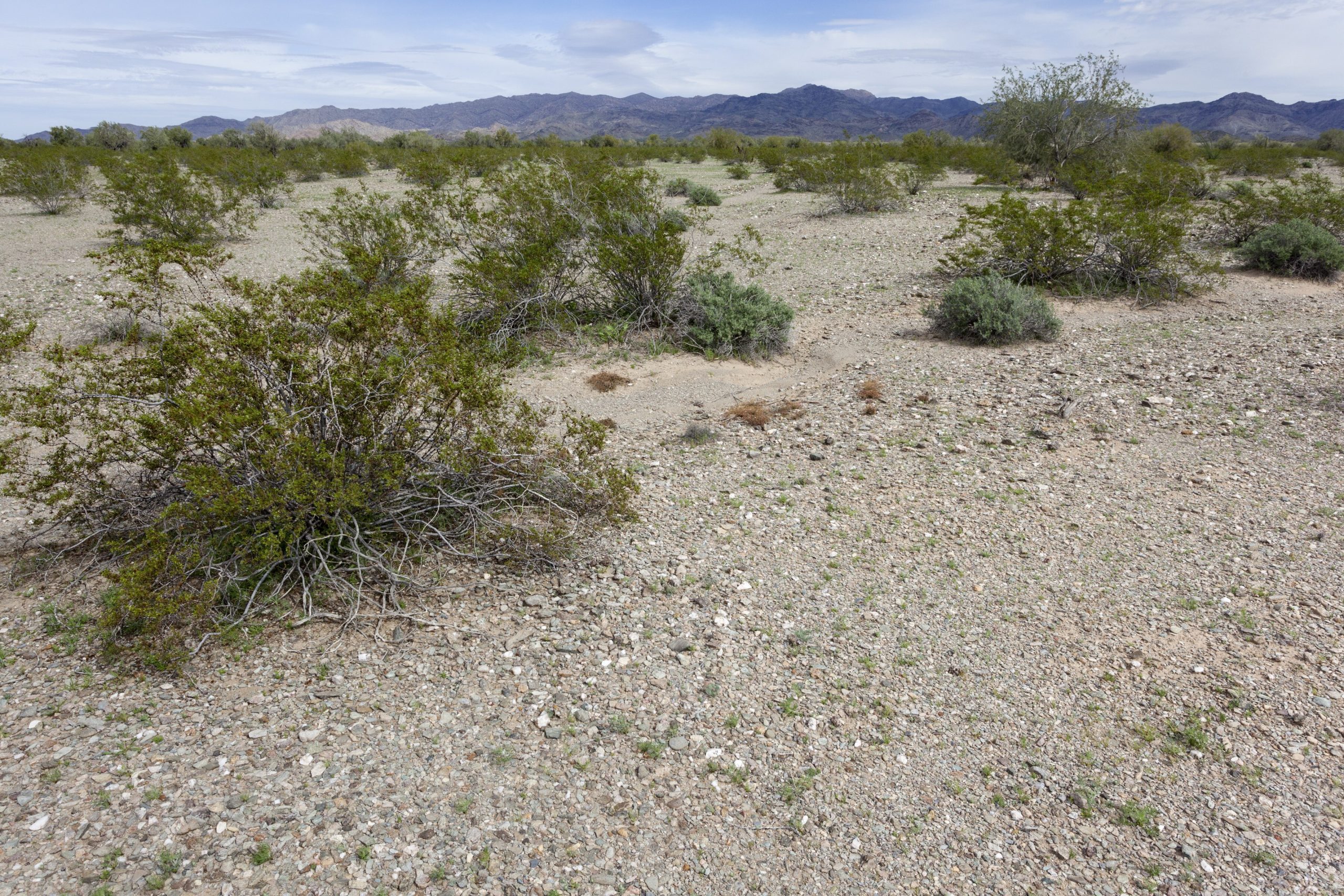
Image: Northern Ranegras Plain.jpg "Opens in a new tab.") , west of the Granite Wash Mountains between Vicksburg and Utting, 33.79459 -113.82132, La Paz County, Arizona, 17 Feb 2017. Author: Patrick Alexander from Las Cruces, NM. Licensed under the Creative Commons CC0 1.0 Universal Public Domain Dedication.
, west of the Granite Wash Mountains between Vicksburg and Utting, 33.79459 -113.82132, La Paz County, Arizona, 17 Feb 2017. Author: Patrick Alexander from Las Cruces, NM. Licensed under the Creative Commons CC0 1.0 Universal Public Domain Dedication.
Frequently Asked Questions
What is an Active Management Area?
An Active Management Area is a groundwater basin regulated under Arizona law to address groundwater depletion or land subsidence through monitoring, reporting, and conservation requirements.
Does this affect household wells?
No. Domestic wells pumping 35 gallons per minute or less are exempt and are not required to report water use.
Will agriculture be banned in the Ranegras Plain?
No. Existing irrigated farmland generally retains irrigation rights, but new agricultural expansion is limited and subject to specific conditions.
Why was land subsidence a concern?
Land subsidence permanently reduces underground storage capacity and can damage wells, roads, and infrastructure.
When do reporting requirements begin?
Annual reporting begins in 2027 for groundwater pumped during the 2026 calendar year.