- A nationwide environmental review is proposed to streamline post-fire recovery work.
- The effort focuses on reducing hazards such as erosion, flooding, and unsafe trees.
- Public comments on the proposal are open until January 26, 2026.
Thursday, January 15, 2026 — On January 8, 2026, the U.S. Forest Service announced  plans to prepare a nationwide environmental assessment to accelerate recovery efforts after severe wildfires. The notice, published in the Federal Register, opens a public comment period that runs through January 26, 2026.
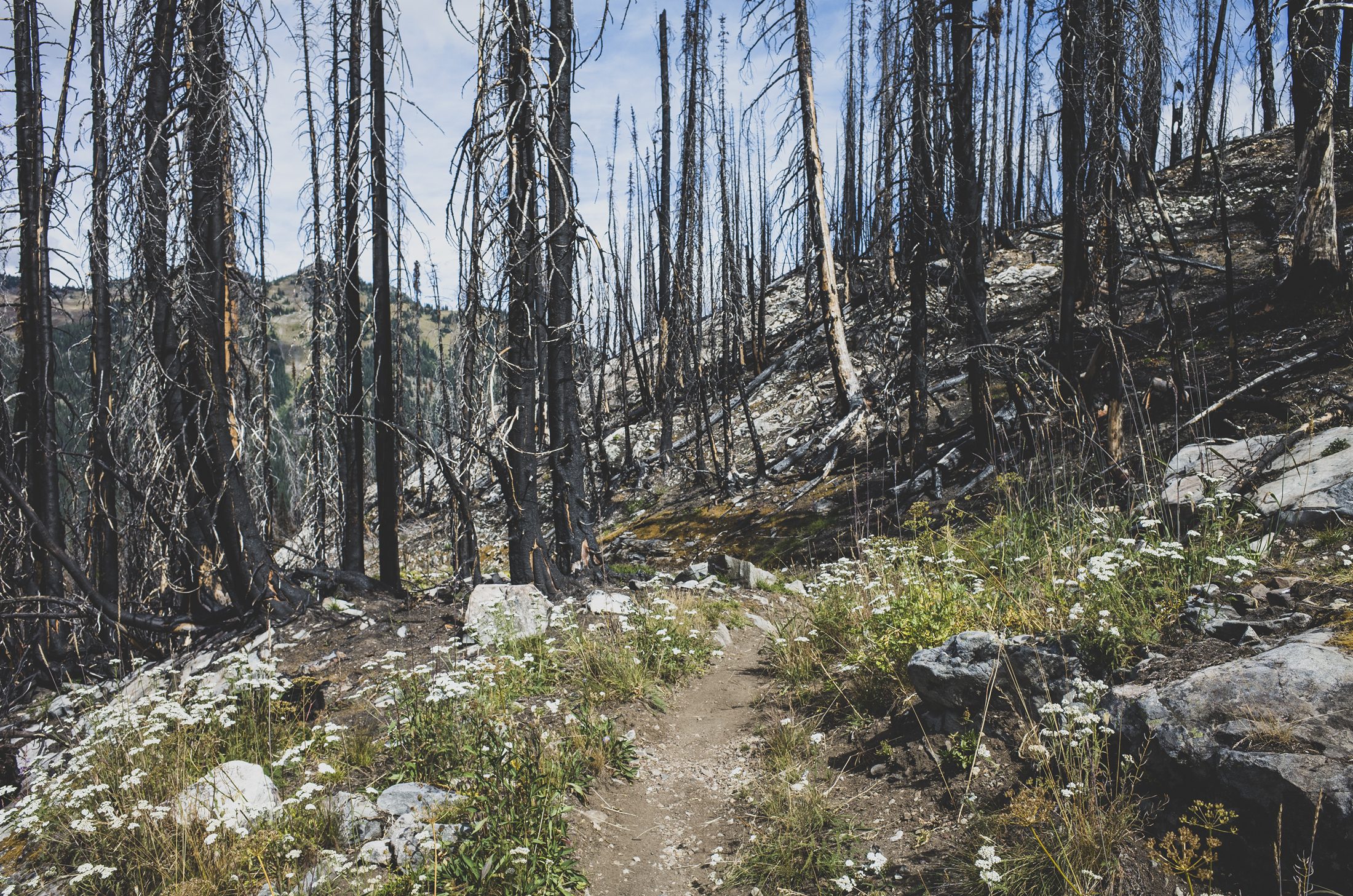
Wildfires across the United States, especially in the Western states, are burning larger areas and lasting longer. After flames are out, burned landscapes often face new dangers. These include soil erosion, flooding, damaged roads, falling trees, and contamination of drinking water supplies. Recovery work is intended to address these risks before they cause further harm to communities and natural resources.
Why the Forest Service Is Taking This Step.
The Forest Service says it already conducts environmental reviews for post-fire projects, but those reviews tend to follow similar patterns regardless of location. According to the agency, a single nationwide environmental assessment can analyze common recovery actions once, allowing local forest managers to act more quickly when fires occur.
“Restoring forests after a wildfire is not something we can delay, especially when public safety is at stake,” said Forest Service Chief Tom Schultz in the January 8, 2026, news release. He emphasized that early action can protect communities, infrastructure, and water resources.
The assessment would not authorize any specific project. Instead, it would provide a standardized analytical foundation that local officials could use when developing site-specific recovery plans.
What Activities Are Being Considered.
The proposed environmental assessment would examine a set of recovery actions commonly used after wildfires on National Forest System lands. These include removing hazardous trees near roads and trails, reducing burned vegetation that could fuel future fires, salvaging fire-damaged timber, replanting trees, and repairing soil and water systems.
Road and trail work is also included where needed to protect public safety and prevent additional damage to watersheds. Public access rules would continue to follow existing land management plans, with temporary closures possible during recovery work.
Environmental and Community Effects.
The Forest Service states that recovery activities may cause short-term disruptions, such as temporary trail closures or visual changes in burned areas. However, the agency expects long-term benefits, including improved forest regeneration and reduced risks from falling trees, flooding, and debris flows.
The assessment will analyze effects on wildlife habitat, waterways, soils, recreation, and local economies. While some species may experience short-term disturbances, the agency anticipates that long-term harm is unlikely when design criteria and mitigation measures are applied. Watershed protection measures are expected to reduce sediment runoff and help stabilize damaged streams.
Economically, post-fire timber salvage can support local jobs, generate revenue for reforestation, and help communities recover more quickly after major fires.
How the Process Will Work.
The nationwide environmental assessment is scheduled for release in April 2026. After that, forest supervisors and district rangers would use it to guide individual recovery projects. Each project would still undergo site-specific review under the National Environmental Policy Act, including additional analysis if local conditions require it.
If potential impacts cannot be reduced to a significant level, projects may be modified or require a more detailed environmental impact statement.
What This Means Going Forward.
By creating a shared framework for post-fire recovery, the Forest Service says it can respond more quickly during the critical first year after a wildfire. The agency views early intervention as key to protecting water supplies, infrastructure, and forest health while supporting rural economies that depend on national forests.
Public input received by January 26, 2026, will help shape the final environmental assessment.
How to Comment.
Visit Regulations.gov to review the document and submit a comment online.