- South-of-Delta irrigation contractors receive 15% allocations.
- Eastside contractors receive 0% of contract supply.
- North-of-Delta users receive 100% allocations.
- Lawmakers and farmers call the numbers unjustified.
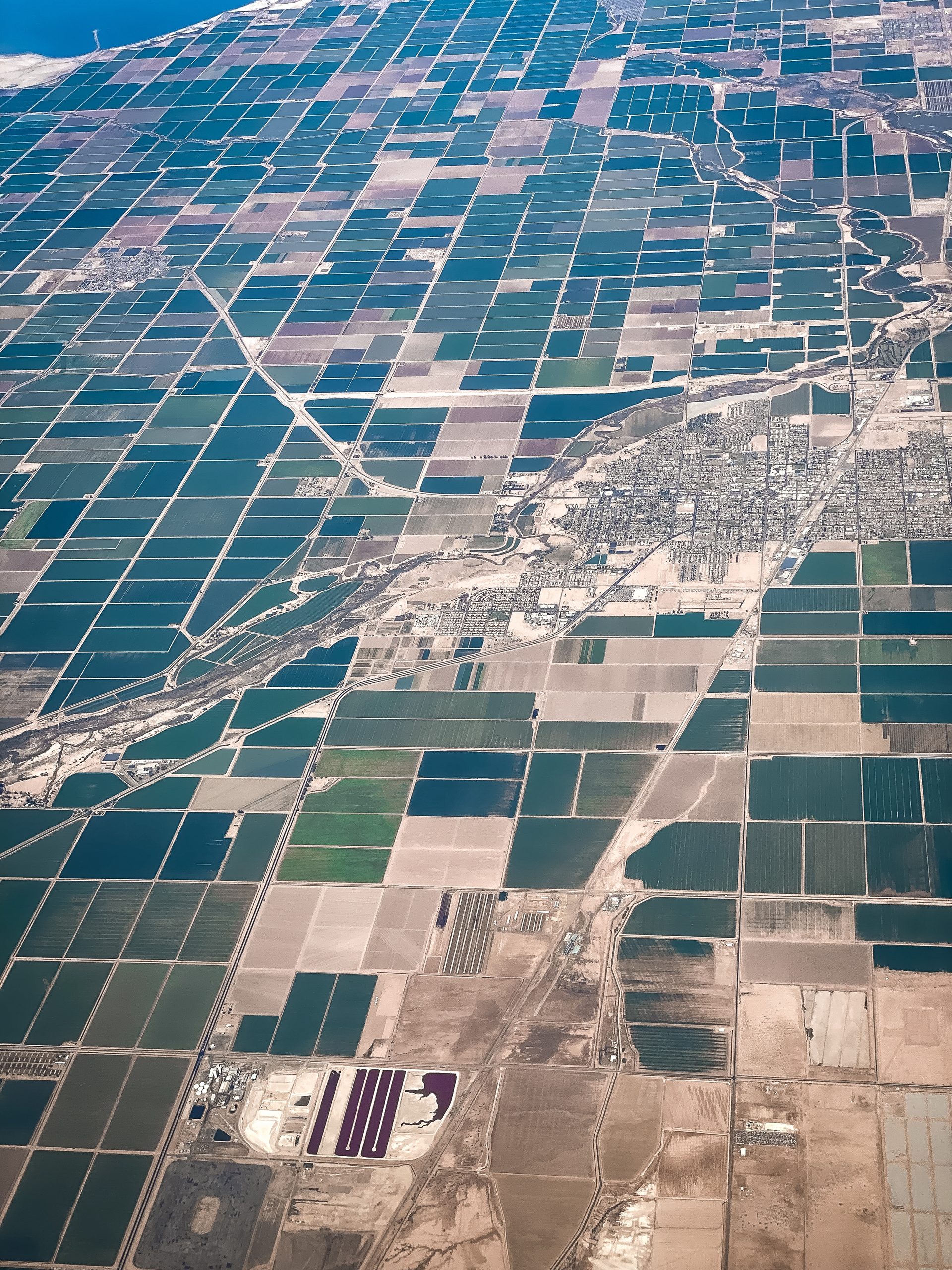
Thursday, February 26, 2026 — Today, the Bureau of Reclamation released its initial water supply allocations for contractors served by California’s Central Valley Project, one of the largest federal water systems in the world. The project supplies irrigation water to roughly 3 million acres of farmland, provides drinking water to millions of Californians, and supports wildlife refuges and hydropower production.
The announcement sets sharply different allocations depending on location and contract type.
North-of-Delta irrigation and municipal contractors will receive 100% of their contract totals. Municipal and industrial contractors served from the American River through Folsom Reservoir will also receive 100%. Wildlife refuges north and south of the Delta are allocated 100% of their Level 2 supplies in what Reclamation has designated a non-critical water year.
In contrast, irrigation contractors south of the Delta will receive 15% of their contract totals. Municipal and industrial contractors south of the Delta will receive 65% of their historic use or public health and safety needs, whichever is greater. Eastside water service contractors, including the Central San Joaquin Water Conservation District and the Stockton East Water District, are allocated 0%.
Friant Division contractors will receive 100% of their Class 1 supply and 0% of their Class 2 supply. Under Friant rules, the first 800,000 acre-feet of available water is considered Class 1, with additional water up to 1.4 million acre-feet categorized as Class 2.
Why the Allocation Is So Uneven.
Reclamation cited below-average snowpack as a primary reason for the conservative initial allocation. As of late February, statewide snowpack measured roughly 59% of the historical average. A dry and warm January significantly reduced accumulation in the Sierra Nevada, where much of California’s runoff originates.
At the same time, reservoir storage remains stronger than average because of several recent wet years. Federal officials also pointed to operational changes implemented under Executive Order 14181, which Reclamation states allowed the delivery of more than 200,000 acre-feet of additional water this cycle by capturing storm flows that historically could not be stored.
Acting Regional Director Adam Nickels said in the February 26 release that the agency would continue monitoring hydrologic conditions and update allocations if runoff forecasts improve.
Reclamation also noted that approximately 180,000 acre-feet of unused 2025 allocations are expected to be rescheduled for use in 2026 by south-of-Delta contractors. In addition, about 93,000 acre-feet remains reserved in San Luis Reservoir as part of a drought reserve pool and is not available for allocation in non-critical years.
Strong Political and Agricultural Reaction.
The 15% allocation for south-of-Delta irrigation contractors immediately drew criticism from agricultural leaders and members of Congress representing the San Joaquin Valley.
Representatives Adam Gray of California’s 13th Congressional District and Jim Costa of California’s 21st Congressional District issued a joint statement expressing dissatisfaction with the decision. They stated that with substantial snowpack earlier in the winter and multiple recent years of strong precipitation, the initial allocation was not justified. They further described the allocation as offensive to farmers in one of the most productive agricultural regions in the world.
We are not happy. With substantial snowpack this winter and multiple recent years of strong precipitation that have helped lift California out of drought, the initial allocation is not justified. The President claimed he could deliver more water and yet that pledge rings hollow today. The Trump Administration’s allocations are offensive to the farmers of the San Joaquin Valley, one of the most productive agricultural regions in the world. This administration needs to move forward immediately with higher allocations and bring more water to the Valley like they promised.
Reps. Gray and Costa in joint statement.
Valley agricultural leaders echoed those concerns. Officials with Westlands Water District and other irrigation contractors argued that a 15% allocation does not reflect current hydrologic conditions, particularly given improved reservoir storage and recent storm activity.
Critics contend that providing 100% allocations north of the Delta while limiting major San Joaquin Valley irrigation contractors to 15% highlights ongoing structural and regulatory tensions within the Central Valley Project system. The contrast has been described by some observers as difficult to reconcile in a year designated as non-critical.
What This Means Going Forward.
These are initial allocations and are typically adjusted as the water year unfolds. Much depends on spring snowmelt, runoff forecasts, environmental requirements, and operational constraints within the Sacramento-San Joaquin Delta.
If spring runoff improves, allocations may increase. If conditions deteriorate, they could remain unchanged or face additional limits.
For growers south of the Delta, a 15% allocation often triggers reliance on groundwater pumping, water transfers, or fallowing of farmland. That dynamic has implications for compliance with California’s Sustainable Groundwater Management Act, local economies, and food production.
For now, the Central Valley Project enters the 2026 water year with full supplies in some regions and sharply constrained deliveries in others. Further updates are expected as hydrologic data develops in March and April.