- Senate passed the Sloan Canyon Conservation and Lateral Pipeline Act on February 26, 2026.
- The bill allows a water pipeline to tunnel beneath Sloan Canyon.
- The conservation area would expand by about 9,290 acres.
- Southern Nevada officials estimate savings of at least $200 million.
Friday, February 27, 2027 — The United States Senate has approved the Sloan Canyon Conservation and Lateral Pipeline Act , legislation introduced by Representative Dina Titus of Nevada. The measure had already cleared the House of Representatives in late 2025. It now awaits the President’s signature.
The legislation that was passed yesterday addresses two priorities in Southern Nevada: strengthening water infrastructure and expanding environmental protections.
Southern Nevada relies heavily on water delivered through a regional system managed by the Southern Nevada Water Authority. The Las Vegas Valley, home to more than one million residents and hundreds of businesses, depends on a reliable pipeline network connected to the Colorado River system.
According to Representative Titus, Senate passage marked “a critical step in ensuring our water future,” citing rising temperatures and declining water resources in the region.
What the Bill Does.
At its core, the legislation authorizes the Southern Nevada Water Authority to construct part of the Horizon Lateral pipeline beneath the Sloan Canyon National Conservation Area in Clark County, Nevada.
The Bureau of Land Management, which administers the conservation area, must grant specific rights-of-way to allow the project to move forward. These rights-of-way cover geotechnical investigations and the construction and operation of the water transmission pipeline and related facilities.
The bill places clear limits on where the pipeline can go. Rights-of-way may not pass through designated wilderness areas. Construction may not permanently and adversely affect surface resources within the conservation area. The Bureau of Land Management may also impose additional reasonable conditions to protect natural and cultural resources.
The legislation also requires a memorandum of understanding between the Bureau of Land Management and the Southern Nevada Water Authority to determine where excavated materials, such as sand and gravel, may be disposed of on federal land.
Why Tunnel Under Sloan Canyon?
The Horizon Lateral project is designed to create redundancy in Southern Nevada’s water delivery system. In practical terms, redundancy means that if one major pipeline is damaged or taken offline, another route can keep water flowing.
Water agencies in the Colorado River Basin increasingly plan for backup systems due to aging infrastructure, wildfire risks, extreme heat, and other climate-related stresses.
Southern Nevada Water Authority General Manager John Ensminger stated that the legislation “increases water service reliability for more than one million residents and hundreds of businesses in Southern Nevada, helping ensure the long term viability of our regional water system while also expanding and protecting environmental resources for our community.”
Officials estimate that the underground route beneath Sloan Canyon could save at least $200 million compared to alternative routes. By tunneling beneath the conservation area rather than building around it, planners believe they can reduce surface disruption to nearby neighborhoods and desert habitat.
.jpg "Opens in a new tab.") )
)Expansion of Sloan Canyon Conservation Area.
In addition to authorizing the pipeline, the bill expands the existing 48,438 acre Sloan Canyon National Conservation Area by approximately 9,290 acres.
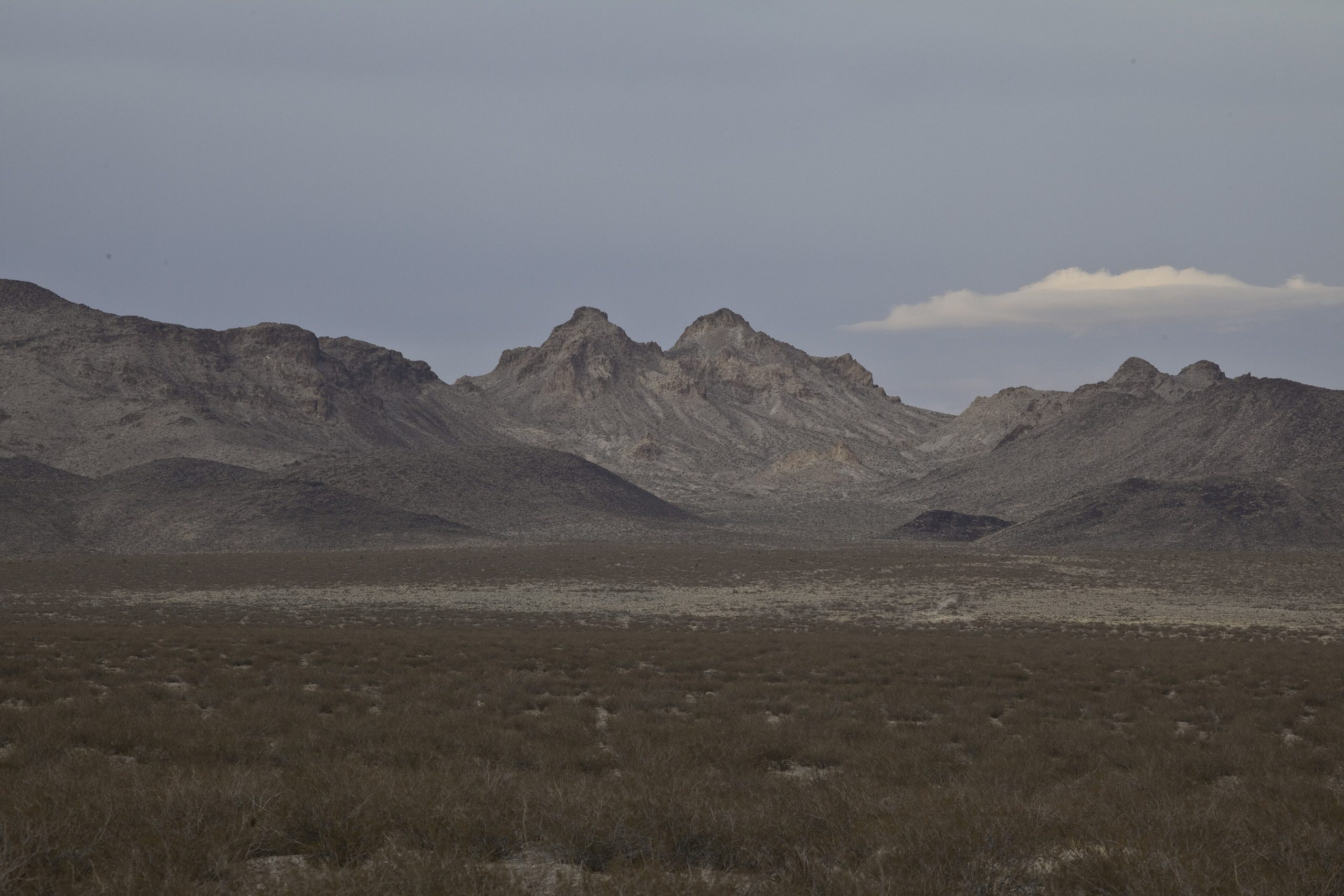
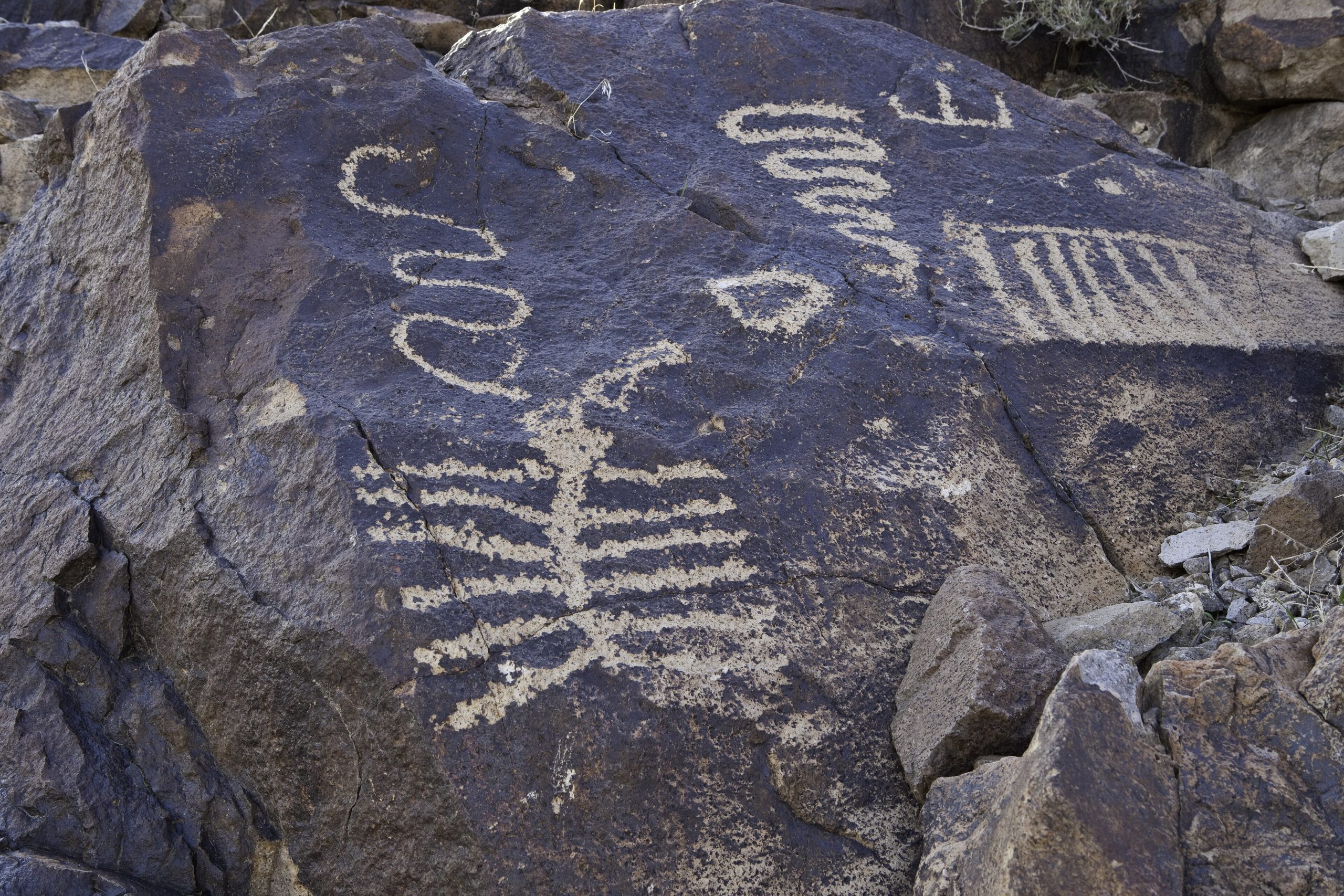
The conservation area is known for its desert landscapes and for the Sloan Petroglyph Site, which contains thousands of rock carvings created by Native cultures. The expansion is subject to valid existing rights, such as utility corridors, and does not eliminate the Bureau of Land Management’s authority to authorize future utility rights-of-way.
Supporters describe the expansion as a way to offset impacts and strengthen long term protection of culturally and ecologically significant land.
Broader Context for the Colorado River Basin.
Southern Nevada is one of seven states that rely on the Colorado River system. In recent years, Lake Mead and Lake Powell have experienced historically low levels due to prolonged drought and reduced runoff.
While this legislation does not change water allocations under interstate agreements, it addresses how Southern Nevada delivers and safeguards the water it already receives.
Regional water agencies across the basin continue to invest in conservation, reuse, and infrastructure improvements as negotiations proceed over long term operating rules for the Colorado River beyond 2026.
What Comes Next.
With Senate approval secured on February 26, 2026, the bill now heads to the President for signature. If signed into law, the Southern Nevada Water Authority can move forward with the tunneling portion of the Horizon Lateral project under the conditions set by Congress and overseen by the Bureau of Land Management.
For Southern Nevada, the measure represents a combination of infrastructure planning and land conservation. Its long-term effects will depend on implementation, continued oversight, and the evolving water challenges facing the Colorado River Basin.