- Spring runoff in the North Platte River Basin is expected to reach only 39 percent of the long-term average.
- Snowpack in the upper basin is well below normal and the region is in severe drought.
- Reservoir storage was 65 percent of the 30-year average as of February 28, 2026.
- Limited water supplies may delay irrigation releases from Guernsey Reservoir this summer.
Wednesday, March 11, 2026 — Federal water managers reported today that snowmelt runoff feeding the North Platte River Basin is expected to be far below normal this year. The Bureau of Reclamation forecast indicates that water flowing into the system above Glendo Dam during the main runoff season will be much lower than what farmers, cities, and power plants usually depend on.
The main reason is simple. The mountain snowpack, which acts as a natural reservoir during winter, is well below average this year. When that snow melts in spring and early summer, it normally fills rivers and reservoirs across Wyoming and parts of Nebraska. With less snow stored in the mountains, there will be less water flowing downstream.
Runoff Forecast Well Below the Long-Term Average.
The Bureau of Reclamation estimates that total runoff between April and July 2026 will reach about 360,000 acre-feet of water.
An acre-foot is a common way to measure water in the West. It represents enough water to cover one acre of land one foot deep. One acre-foot can supply roughly two to three households for a year.
The forecasted 360,000 acre-feet equals about 39 percent of the 30-year average for the basin. That makes this year’s expected runoff significantly lower than normal.
Water managers also noted that the Upper North Platte Basin is currently experiencing severe drought, which further limits the amount of water entering rivers and reservoirs.
Reservoir Storage Already Below Normal.
Reservoir storage levels also reflect the dry conditions.
The North Platte River system includes several major reservoirs that store water for irrigation, electricity generation, and downstream river flows. Together, the system can hold about 2,815,800 acre-feet of water.
As of February 28, 2026, the reservoirs contained 1,115,676 acre-feet. That amount equals about 65 percent of the long-term average for this time of year.
While that level still provides an important water reserve, it leaves less room for flexibility if dry conditions continue.
Current River Releases from Key Reservoirs.
Water releases from several reservoirs are currently being managed at moderate levels as managers prepare for the coming irrigation season.
Current releases include:
- Seminoe Reservoir: 630 cubic feet per second flowing through the Miracle Mile stretch of the river.
- Gray Reef Reservoir: 500 cubic feet per second.
- Glendo Reservoir: 25 cubic feet per second.
- Guernsey Reservoir: No releases were occurring at the time of the March 11 report.
A cubic foot per second describes the amount of water that flows past a point per second. It is a standard measurement used for rivers and canals.
Summer Releases Expected to Increase.
Even with the low snowmelt forecast, water releases are expected to rise during the summer months when irrigation demand increases.
Projected summer flows include:
- Seminoe Reservoir: Peak releases are expected to reach about 2,600 cubic feet per second.
- Gray Reef Reservoir: Releases are expected to range between about 1,000 and 2,500 cubic feet per second.
- Guernsey Reservoir: Flows may range from about 1,600 to 5,000 cubic feet per second during peak irrigation periods.
Managers noted that Pathfinder Reservoir is not expected to spill this spring, another sign that runoff volumes may remain limited.
Irrigation Deliveries May Start Later.
The Bureau of Reclamation also reported that the North Platte Project, which delivers irrigation water to large areas of farmland, will likely receive an allocation based on the current runoff forecast.
Because the expected water supply is limited, the start of irrigation releases from Guernsey Reservoir may be delayed compared to a typical year.
This system is critical to agriculture in the region. Reclamation’s Wyoming Area Office operates seven reservoirs along the North Platte River, stretching from Seminoe Reservoir upstream to Guernsey Reservoir downstream.
Together, these reservoirs supply irrigation water to hundreds of thousands of acres of farmland and support six hydroelectric power plants that generate electricity for tens of thousands of homes.
A Careful Season Ahead for Water Managers.
With below-average snowpack and severe drought conditions in the upper basin, water managers will be watching snowmelt closely during the coming months.
Spring runoff typically determines how much water is available for farms, cities, and power generation across the North Platte River system. This year’s low forecast suggests that reservoir operations and irrigation schedules may need to be carefully managed throughout the summer.
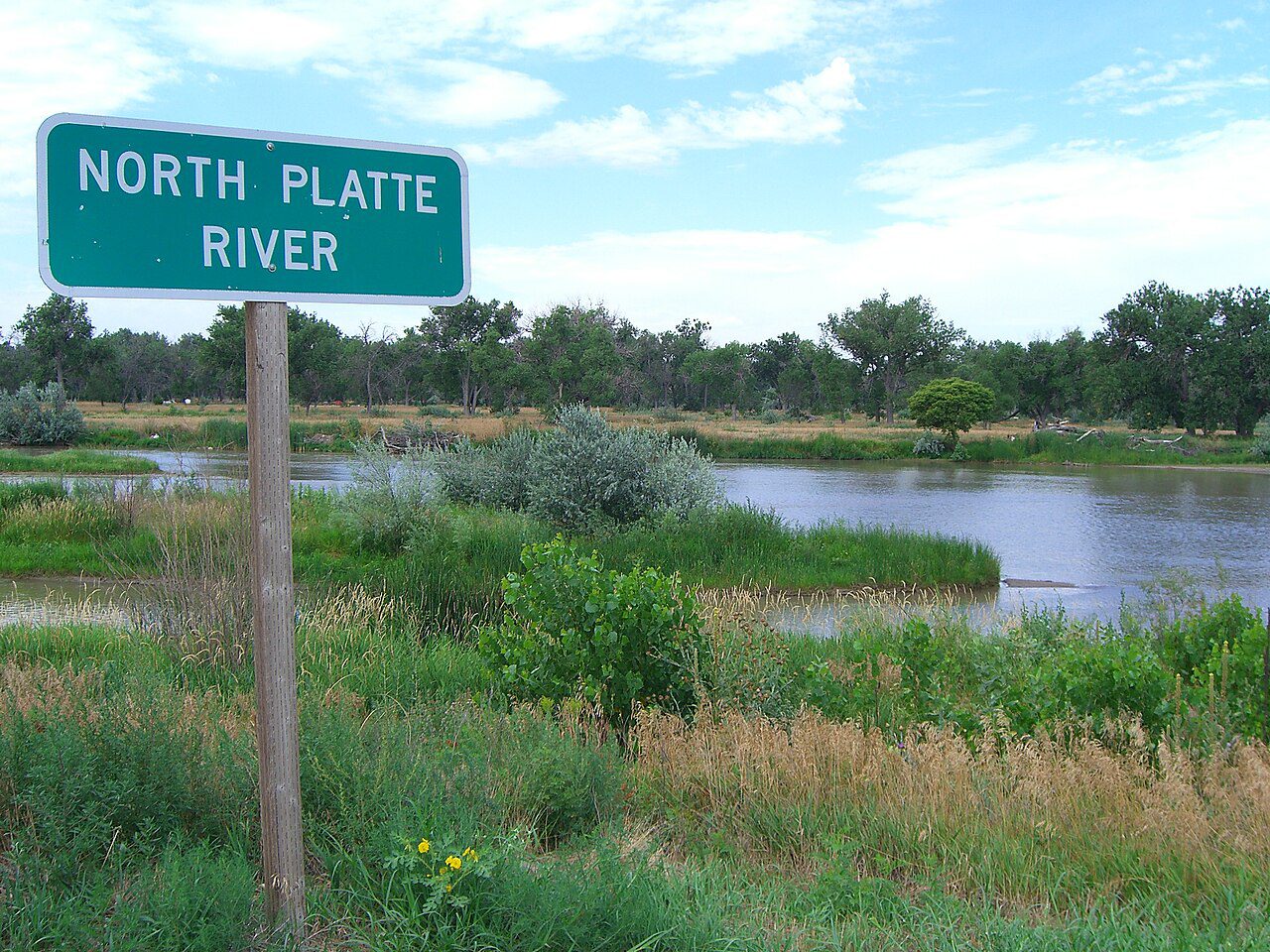
Pictured: North Platte River , by Napa, August 2008. Licensed under the Creative Commons Attribution-Share Alike 3.0 Unported license.