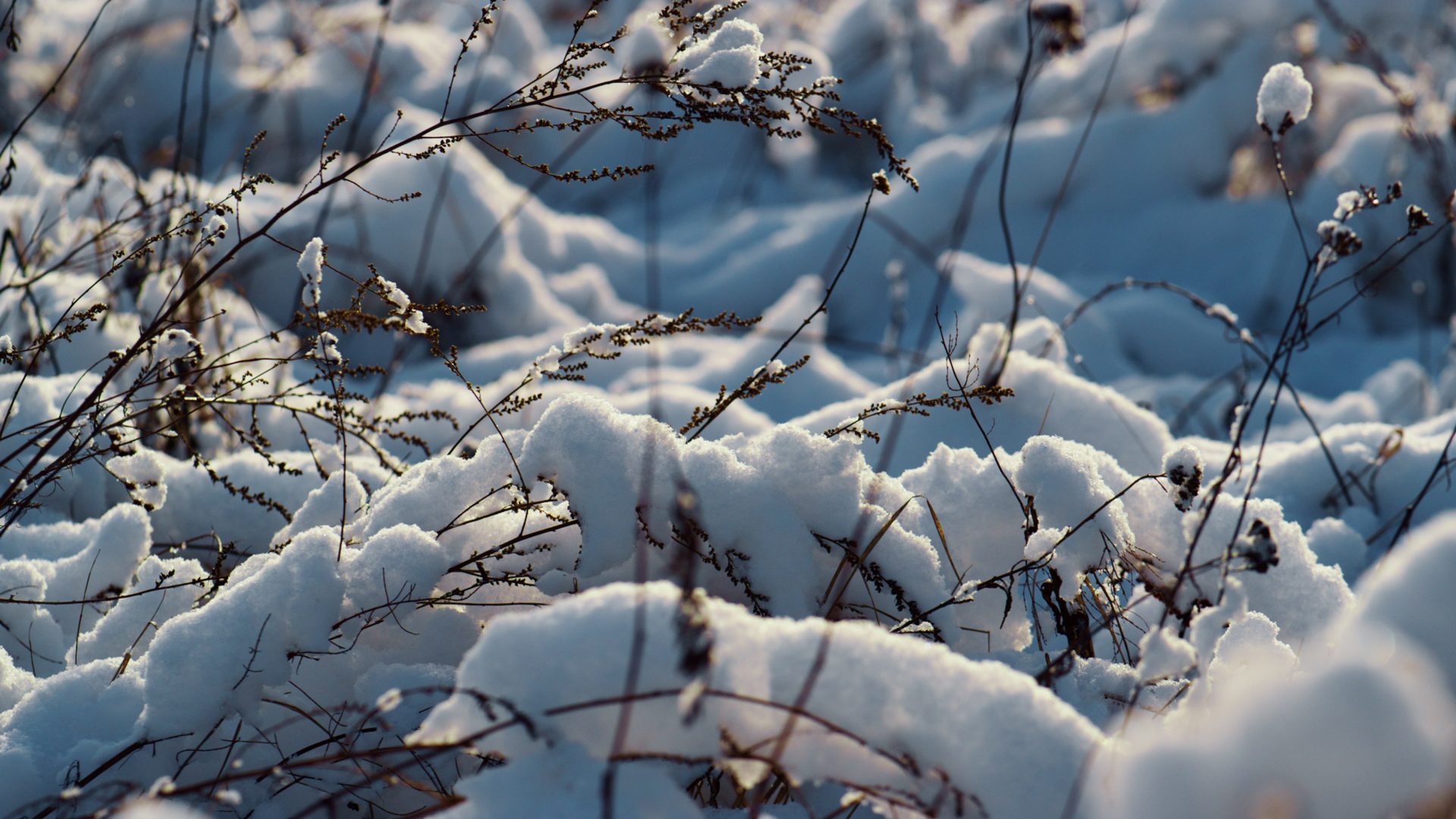
- California’s snowpack in March 2026 is about half of normal.
- Warm temperatures are causing snow to melt weeks earlier than usual.
- New forecasting tools are helping water managers track the changing conditions.
- Early snow loss could reduce river flows later in the summer.
Thursday, March 12, 2026 — California water managers entered March 2026 watching the skies closely. The conditions looked familiar and not in a good way.
Snow levels in the Sierra Nevada mountains were about half of normal, and temperatures were unusually warm. The pattern reminded officials of spring 2021, when expected snowmelt never fully reached reservoirs.
Instead, much of that water soaked into dry soils or evaporated into the atmosphere before it could be captured and stored.
Karla Nemeth, director of the California Department of Water Resources , explained that the 2021 experience led to major improvements in forecasting tools. Those changes now help water managers better understand what the snowpack will actually deliver to the state’s water system.
Better Tools to Predict Water Supply.
Since 2021, the Department of Water Resources has invested in several new technologies to more closely track snow conditions.
Short-term weather outlooks are now included in forecasting models. These six to ten-day forecasts help analysts adjust for sudden heat waves or heavy rain events that can quickly change snow conditions.
The state also uses a newer snow hydrology model called iSnobal. This system measures physical changes within the snowpack and helps scientists determine when and where snow begins to melt.
Airborne snow surveys provide another layer of information. Aircraft equipped with advanced sensors fly over mountain watersheds to measure the amount of water stored in snow. These measurements help verify computer models and improve accuracy.
Researchers are also studying snow temperature at different depths through a partnership with the Central Sierra Snow Laboratory near Donner Summit. Sometimes the snow near the ground is warmer than the surface layer, allowing melting to begin earlier than expected.
In addition, the department has developed a soil moisture tool that estimates the dryness of mountain soils. This matters because dry soils can absorb large amounts of snowmelt before any water reaches streams or reservoirs.
All of these tools feed into a new runoff forecast dashboard that combines information from state, federal, academic, and private forecasting systems.
Snow Is Melting Earlier Than in the Past.
For about a century, California relied on a predictable cycle. Snow accumulated in the mountains during winter and slowly melted between April and July. That steady melt provided water to rivers and reservoirs throughout the summer.
That pattern is changing.
As of March 1, 2026, state forecasters reported that snowmelt was already well underway. Nearly 20 percent of the statewide snowpack had already melted.
The timing is more typical of May conditions.
At the same time, temperatures in the Sierra Nevada remained unusually warm, even overnight. Rivers were already running higher than average in early spring as snow began to melt.
Reservoir Limits and Storage Challenges.
Despite the early runoff, large reservoirs such as Shasta Lake and Lake Oroville cannot store much of that water in early spring.
Reservoir operators must keep space available to capture floodwaters in case a major late season storm arrives. That safety rule limits how much early snowmelt can be stored.
California also lacks enough infrastructure to move that early runoff into underground aquifers, which could otherwise help store water for future use.
Possible Impacts Later in the Summer.
The early loss of snowpack may cause challenges later in the year.
Snowmelt normally provides a steady supply of cool water to rivers through the summer. If much of that snow melts early, river flows could drop sooner than usual.
Lower flows and warmer water can create difficult conditions for native fish species, including salmon.
Water Managers Plan for Uncertainty.
Because of these risks, water agencies that operate the State Water Project and the Central Valley Project must be cautious when estimating how much water they can deliver to cities and farms.
Together, those systems supply water to about 30 million people and roughly four million acres of farmland.
Officials say the changing climate also highlights the need for additional water storage and improved water management across the state.
Projects being discussed include expanded reservoirs, new storage facilities, and efforts to recharge depleted underground aquifers.
Planning for a Hotter Future.
State officials note that California is experiencing a hotter, drier climate than in past decades. That shift makes water management more complex and increases the need for improved forecasting tools.
While the amount of rain and snow in the coming weeks remains uncertain, better forecasting allows water managers to anticipate how much water might actually reach rivers, reservoirs, and farms.
The goal is simple. Capture as much water as possible when storms arrive, store it wisely, and use it efficiently throughout the year.