- Arizona hires outside legal team to prepare for potential litigation.
- Negotiations among seven states remain unresolved.
- New federal rules could place heavier cuts on Arizona.
- Governor highlights economic and national security stakes.
Tuesday, March 24, 2026 — Arizona is preparing for a possible legal battle over its share of Colorado River water after negotiations among the seven basin states failed to produce an agreement, according to reporting by The Arizona Republic on March 23, 2026 . State officials have retained a global law firm with experience in Supreme Court water cases to defend Arizona’s interests if new federal guidelines expected this summer result in deeper cuts to its supplies, though no lawsuit has yet been filed.
A Stalemate Across the Basin.
Talks between the Upper Basin states of Colorado, New Mexico, Utah, and Wyoming and the Lower Basin states of Arizona, California, and Nevada have stalled as water levels continue to decline. The river system has been under strain for years due to drought, rising temperatures, and growing demand.
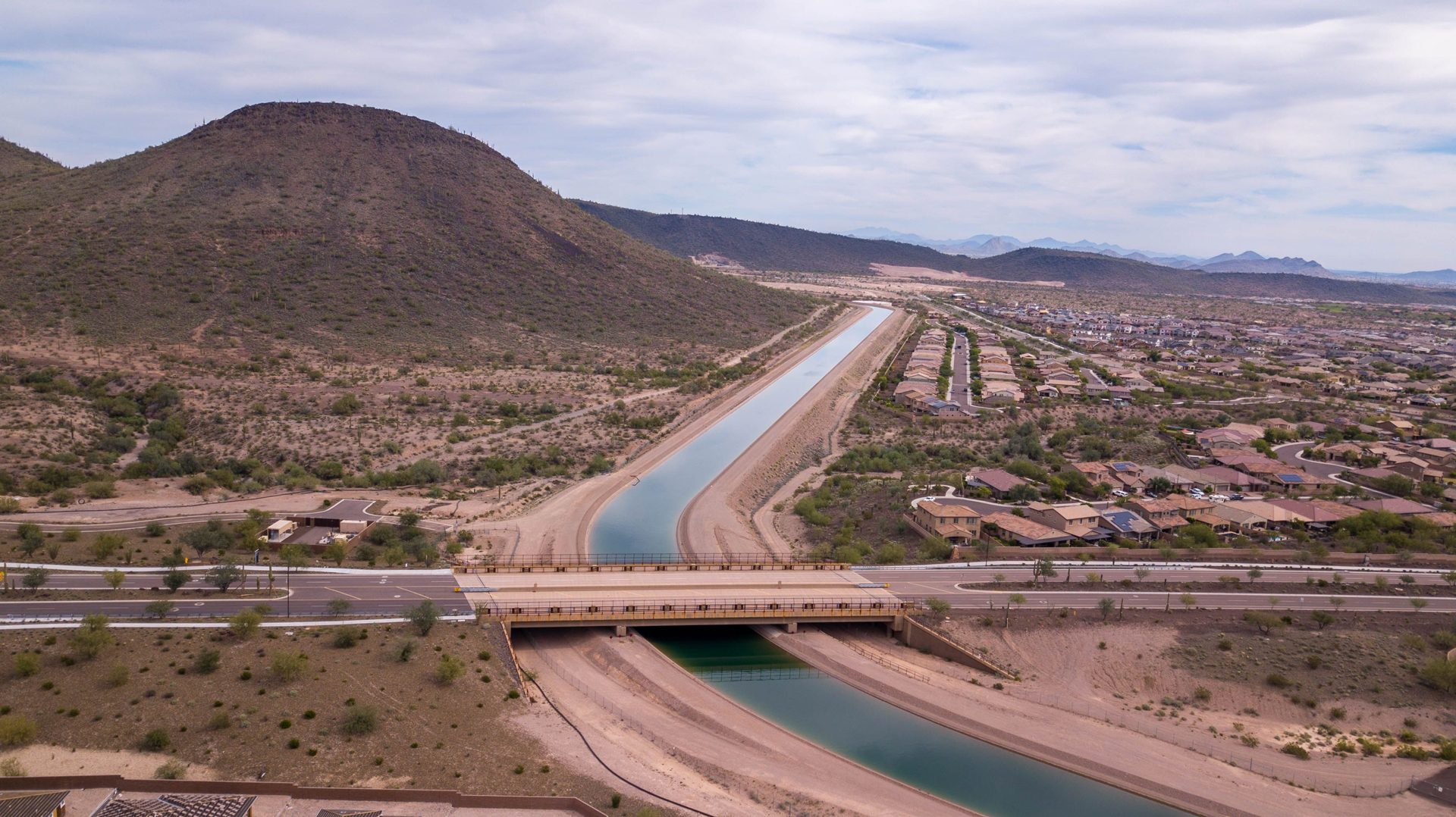
Without a deal, the federal government is expected to step in and set new rules for how shortages are shared. Current indications suggest Arizona could face some of the largest reductions, in part because its Central Arizona Project water has a lower legal priority than California’s supplies.
At the same time, Upper Basin leaders have argued that their users already experience shortages when snowpack is low, while Lower Basin states rely more heavily on stored water in Lake Mead and Lake Powell, both of which have dropped significantly over the past two decades.
Legal Strategy Takes Shape.
Arizona lawmakers have already created a litigation fund of about $3 million, with legislation under consideration to increase that amount. The hiring of outside counsel signals that the state is preparing for a courtroom fight if negotiations and federal actions do not produce what it considers a fair outcome.
State officials continue to emphasize that any solution must follow the requirements of the Colorado River Compact of 1922, which sets delivery obligations for water flowing past Lees Ferry in northern Arizona.
Video:
Governor Pushes National Importance.
In a March 18, 2026, press release, Governor Katie Hobbs emphasized Arizona’s broader role in the national economy while advocating for its share of river water. Speaking to business leaders, she warned against proposals that could “kneecap” the state’s economy.
“I firmly believe Arizona has the most to offer in advancing national priorities of AI, national defense, and technological advancement,” Hobbs said. She pointed to Arizona’s aerospace and semiconductor industries, as well as its agricultural output, noting the state produces a large share of the nation’s winter vegetables.
“There is no onshoring of mission-critical supply chains or military preparedness without a secure water future for Arizona,” Hobbs said.
What Comes Next.
With reservoir levels still low and snowpack forecasts raising concerns about runoff, pressure is building for a resolution. If the states cannot reach an agreement, the coming federal rules may set the stage for a legal confrontation that could reshape how the Colorado River is managed for years to come.
For now, Arizona is positioning itself for that possibility while continuing to push for a negotiated solution.