- Town hall held as project future remains uncertain.
- Federal officials signal support for water users.
- Dam removal could affect supply and ecosystems.
- Replacement projects may take decades to complete.
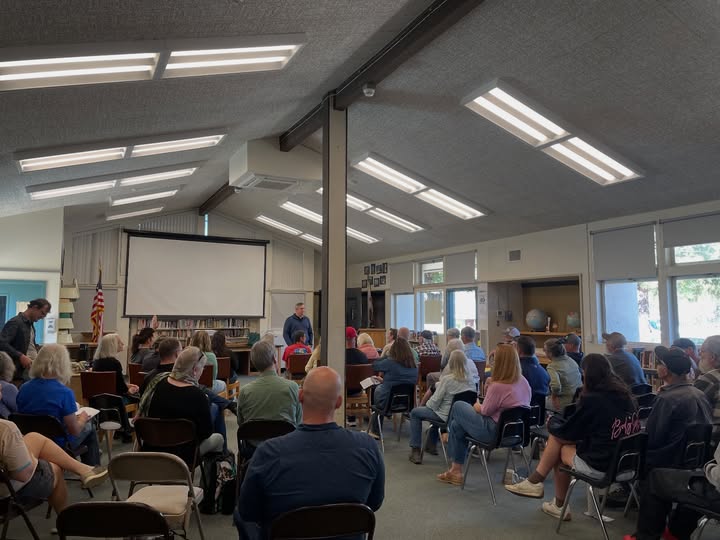
Tuesday, March 24 ,2026 — A town hall was held on March 21, 2026, at Potter Valley Jr/Sr High School, where residents gathered to hear updates and ask questions about the future of the Potter Valley Project.
Assemblymember Chris Rogers hosted the meeting and provided a legislative update while taking questions from constituents.
Rogers later reported strong turnout at the event and noted that discussions focused on what the community’s future may look like.
A Water System With Regional Impact.
The Potter Valley Project is a hydroelectric and water diversion system that transfers water from the Eel River into the Russian River watershed.
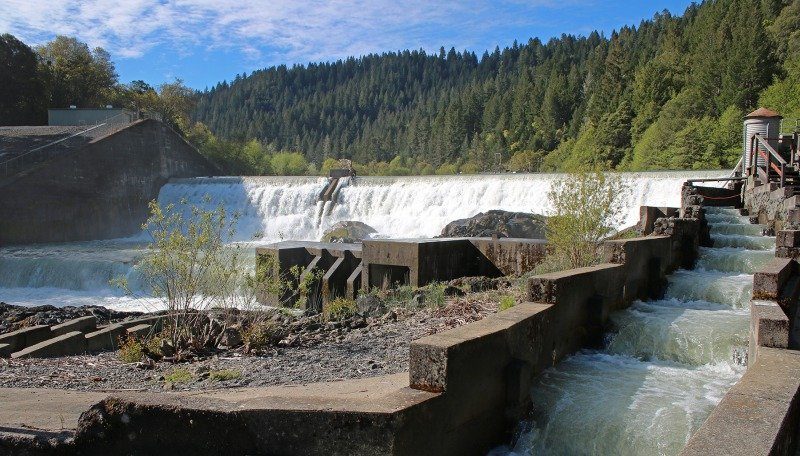
The system includes Scott Dam, Cape Horn Dam, and associated reservoirs. Water from the project supports agricultural, municipal, and environmental uses across Mendocino and Sonoma counties.
On average, about 60,000 acre-feet of water is diverted annually, which is approximately 1.8 percent of the Eel River’s total flow.
Decommissioning Plan Under Review.
Pacific Gas and Electric Company plans to decommission the project and remove its dams, possibly beginning as early as 2028.
The company previously chose not to renew its license, citing economic and regulatory factors.
Supporters of dam removal point to environmental benefits, including restoring access for salmon and steelhead to upstream habitat.
The proposal is currently under review by federal regulators, and no final decision has been made.
Federal Involvement Expands.
On March 20, 2026, U.S. Secretary of Agriculture Brooke Rollins stated that she had met with stakeholders regarding the project and emphasized the importance of protecting water infrastructure used by farmers, ranchers, and rural communities.
⚖️🚨Met yesterday with Save Potter Valley Project stakeholders for a critical update on the fight to protect this vital water infrastructure. 💧💧@USDA continues to push back against California’s extreme policies that prioritize fish over the needs of farmers, ranchers,… pic.twitter.com/h01vhy7ci3
— Secretary Brooke Rollins (@SecRollins) March 20, 2026
The U.S. Department of Agriculture has also filed to intervene in federal regulatory proceedings related to the project.
Planning for Future Water Supply.
Local and regional agencies are evaluating options to maintain water supply if the project is decommissioned.
One proposal involves raising Coyote Valley Dam at Lake Mendocino to increase water storage capacity.
Another proposal includes construction of a new diversion system known as the New Eel-Russian Facility.
Geotechnical investigations for this proposed facility have already been approved and include drilling boreholes and conducting site studies near Van Arsdale Reservoir.
Officials have stated that major infrastructure projects, such as raising the dam, could take 20 to 30 years to complete and would require additional funding.
Water Supply Risks Identified.
According to regional water planning officials, without continued water transfers from the Potter Valley Project, Lake Mendocino may not have enough water to meet all demands in most years.
In some projected conditions, water shortages could reach tens of thousands of acre-feet, and reservoir levels could decline significantly.
What Comes Next.
Federal and state agencies continue to review the decommissioning proposal, while local agencies develop long-term water supply strategies.
No final decision has been issued, and the timeline for any changes remains subject to regulatory approval and future funding.
~~~
Top Image: Van Arsdale Fisheries Station in Potter Valley, California . Shows fish ladder and dam. July, 2022. John Heil/USFWS.