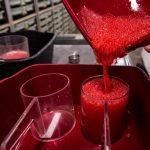

- Orange County unveiled a beer made from purified recycled water.
- The system produces up to 130 million gallons of water daily.
- Recycled water now supports millions of residents.
- The project reduces reliance on imported water sources
Thursday, April 2, 2026 –– On March 31, 2026, water officials in Southern California introduced something unexpected at a national conference. It was not a new pipeline or reservoir plan. It was a beer.
The Orange County Water District and the Orange County Sanitation District unveiled a limited-edition beverage called “GWRS Brew ,” made with highly purified recycled water.
The idea was simple. If people are willing to drink beer made from recycled water, they might feel more comfortable with using that same water for everyday needs.
Officials described the brew as a creative way to showcase how far water-recycling technology has come. Behind the novelty, however, sits one of the most advanced water systems in the world.
From Wastewater to Drinking Water.
The beer comes from water treated through the Groundwater Replenishment System, often referred to as GWRS. This system takes wastewater that would have once been released into the ocean and puts it through a multi-step cleaning process.
First, the water passes through tiny filters that remove particles. Next, it goes through reverse osmosis, which removes salts and contaminants. Finally, ultraviolet light combined with hydrogen peroxide breaks down any remaining trace compounds.
The result is water that meets all state and federal drinking standards. In fact, it is often cleaner than many traditional sources.
Since opening in 2008, the system has produced more than 500 billion gallons of water.
A Reliable Supply in a Dry Region.
Southern California has long depended on imported water from sources such as the Sacramento-San Joaquin River Delta and the Colorado River. Those supplies have become less reliable due to drought, legal disputes, and growing demand.
The recycling system offers a different approach. It creates a local supply that does not depend on snowpack or distant reservoirs.
Today, the system produces up to 130 million gallons of water each day. That water helps refill underground aquifers, which serve as the main drinking water source for about 2.5 million people in the region.
It also uses less energy than transporting water across the state or removing salt from ocean water.
More Than a Science Project.
What makes the system stand out is not just the technology, but the scale. It recycles all available locally captured wastewater into a steady supply.
Over time, it has become a model for other communities facing water shortages. Engineers, policymakers, and water managers from around the world have visited the facility to study how it works.
The project has also helped protect the local groundwater basin by keeping saltwater from moving inland and by improving overall water quality.
Changing Public Perception.
Recycled water has not always been easy to sell to the public. The idea of drinking water that once flowed down a drain can make people uneasy.
That is where the beer comes in. It offers a lighthearted way to start a serious conversation.
Officials say the goal is to show that modern treatment methods can produce water that is safe, clean, and reliable. By turning that water into something familiar, like a beverage, the concept becomes easier to understand.
A Glimpse of the Future.
While the beer may be limited edition, the message behind it is not. Water recycling is becoming an important part of how communities manage supply, especially in dry regions.
Orange County’s system shows that wastewater is not just something to dispose of. It is a resource that can be cleaned, reused, and counted on when traditional sources fall short.
And in this case, it can even be raised in a glass.