- Snowpack measured at just 18 percent of average.
- No measurable snow found at key April survey site.
- Peak snowpack arrived weeks earlier than normal.
- Water managers face growing uncertainty this year.
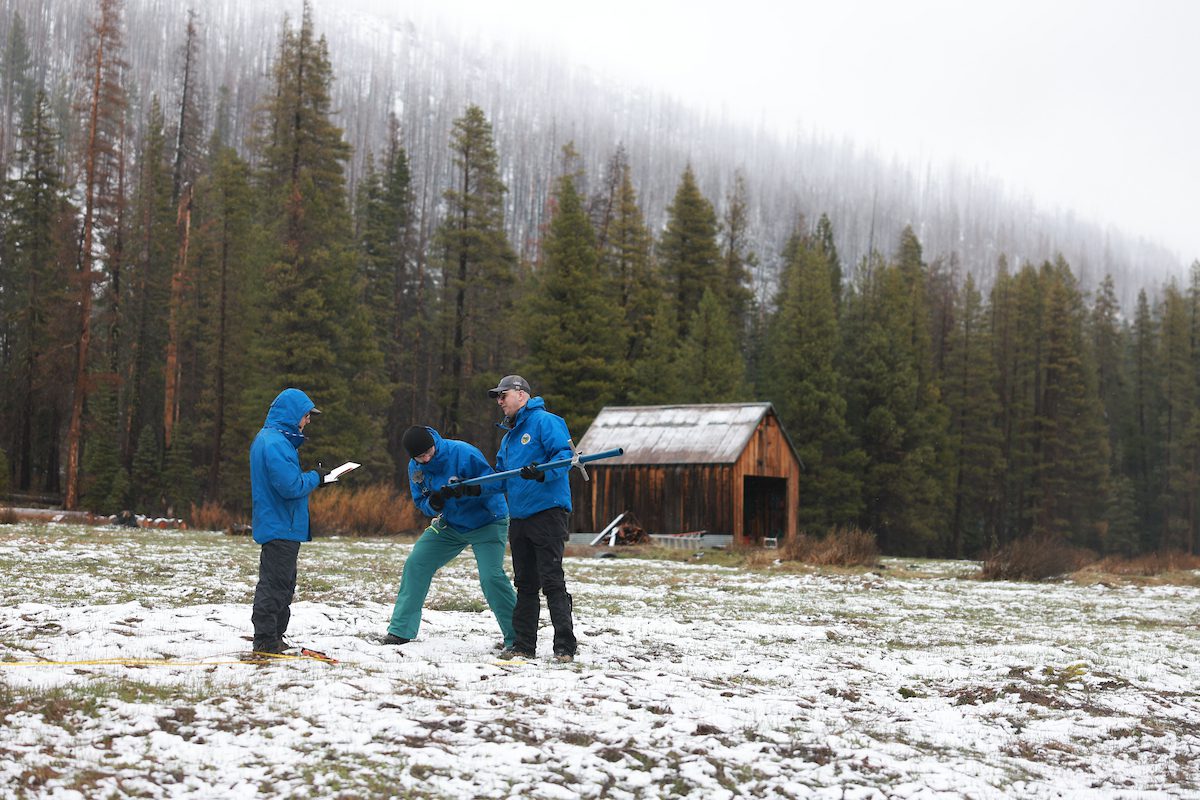
Thursday, April 2, 2026 — California officials carried out one of the most important water measurements of the year. At Phillips Station in the Sierra Nevada, where deep snow is usually still packed across the ground, there was almost nothing left to measure according to the Department of Water Resources (DWR)’s April 1 report.
The result was striking. No measurable snow remained at the site. Across the state, the snowpack stood at only 18 percent of what is considered normal for this time of year.
This was not just a low year. It was one of the lowest April readings ever recorded .
.
When Winter Turned Into Summer.
Snow in the Sierra Nevada acts like a natural storage system. It slowly melts through spring and early summer, feeding rivers, farms, and cities. Because of that, April 1 is usually the moment when snowpack reaches its peak.
In 2026, that pattern broke.
Instead of building into April, the snowpack likely peaked around February 24. A combination of unusually warm storms and record heat in March caused snow to melt weeks earlier than expected. In some cases, precipitation fell as rain instead of snow, even at higher elevations.
State officials described the shift in simple terms. Spring never really arrived. Conditions moved quickly from winter into something that felt more like summer.
A Disconnect Between Rain and Snow.
One of the most unusual parts of this season was the mismatch between precipitation and snowpack.
California received near-average precipitation in several regions. But much of that water came down as rain, not snow. Rain runs off quickly. Snow, by contrast, stores water and releases it slowly over time.
That difference matters.
Without that slow release, water systems must handle more immediate runoff and face a less reliable supply later in the year. This creates challenges for reservoir operators who must balance flood control with long-term storage.
Northern Sierra Hit Especially Hard.
Conditions were even more severe in the Northern Sierra Nevada, where some of California’s largest reservoirs depend on snowmelt. In that region, snowpack dropped to just 6 percent of average.
Even if additional storms arrive later in the season, officials do not expect them to make up for what has already been lost.
Why This Measurement Matters.
California’s snowpack is often called the state’s “frozen reservoir.” In a typical year, it supplies about 30 percent of the state’s water.
That makes the April measurement critical. It helps determine how much water will flow into rivers and reservoirs in the coming months. It also guides decisions about water allocations, conservation efforts, and long-term planning.
With such low numbers in 2026, forecasting becomes more difficult. Rapid melting, warmer storms, and shifting weather patterns all add uncertainty to how much water will ultimately be available.
A Changing Pattern.
State officials have been increasing monitoring efforts to better understand these changes. Additional snow surveys, expanded data collection, and new modeling tools are helping track how snow behaves under warmer conditions.
Researchers are now looking beyond simple snowfall totals. They are studying soil moisture, snow temperature, and how quickly snow melts after it falls.
These changes reflect a broader shift. Winters are becoming less predictable. Storms are fewer, warmer, and shorter. Snow seasons are shrinking.
What Comes Next.
For water managers, the challenge is no longer just about how much snow falls. It is about timing, temperature, and how quickly that snow disappears.
The 2026 season highlights a growing reality. Water is still arriving, but not always in the form or at the time the system was built to handle.
As California moves deeper into spring and summer, the effects of this early snow loss will continue to unfold. Reservoir levels, river flows, and water deliveries will all depend on how the state adapts to a season that ended before it was supposed to.
.