
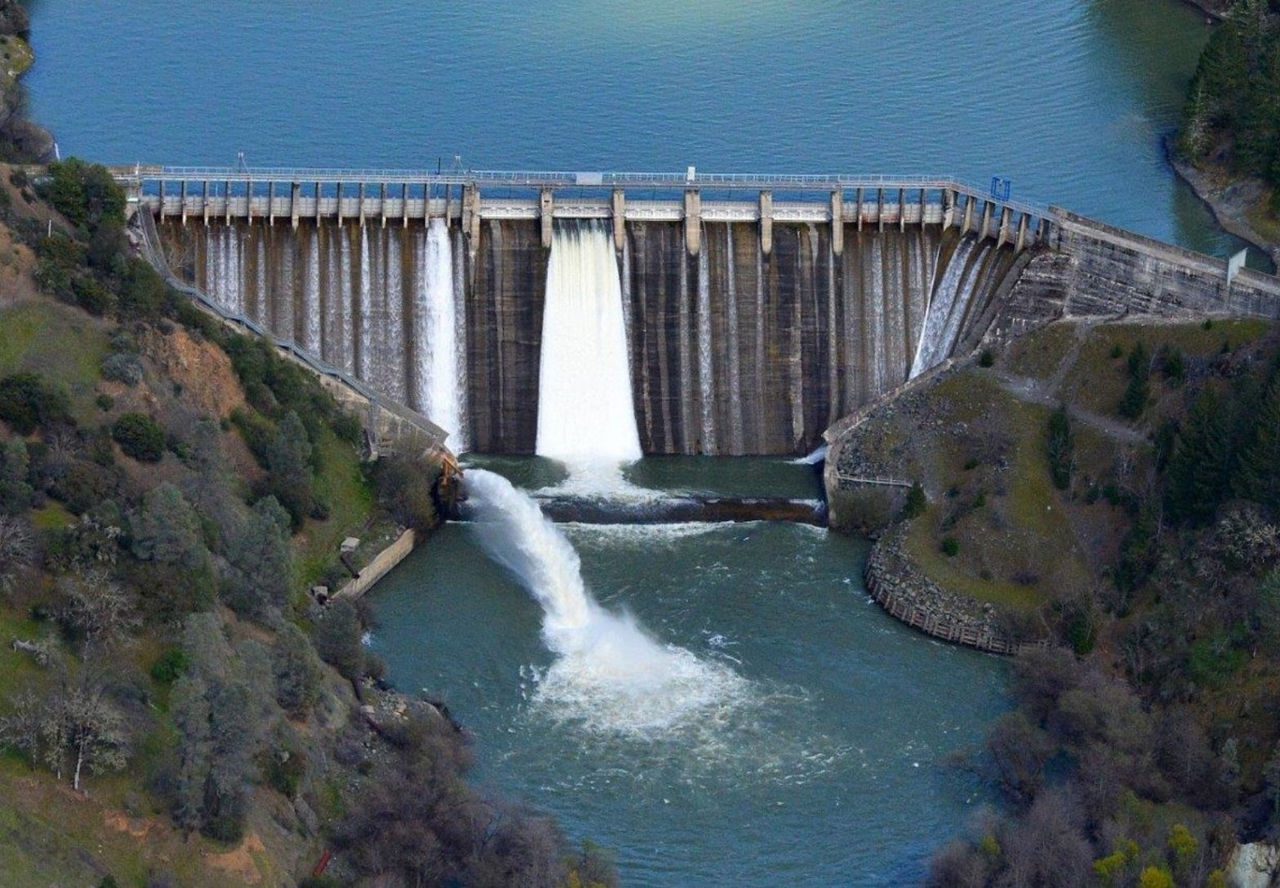
- U.S. Secretary of Agriculture has stepped into the review of a proposed dam removal in Northern California.
- The century-old Potter Valley Project supplies water, power, and firefighting resources across multiple counties.
- Supporters cite fish habitat restoration, while critics warn of water supply and wildfire risks.
- Regulators are now weighing competing environmental, agricultural, and community concerns.
Tuesday, December 30, 2025 — For more than 100 years, the Potter Valley Hydroelectric Project has shaped life in parts of Mendocino, Lake, Sonoma, Humboldt, and Marin counties in California. Built in the early twentieth century, the system includes Scott Dam, Cape Horn Dam, Lake Pillsbury, Van Arsdale Reservoir, and a powerhouse that generates electricity while diverting water from the Eel River into the Russian River watershed.
That diverted water supports irrigation, household use, and firefighting across a region that is both agriculturally productive and increasingly vulnerable to drought and wildfire. The project also produces renewable hydropower, although electricity generation has long been secondary to water supply in the eyes of many local users.
In July 2025, Pacific Gas and Electric Company formally applied to surrender its federal license for the project and proceed with decommissioning, a step that could ultimately lead to removal of the two dams. The application set in motion a complex federal and state review process that is now drawing national attention.
PG&E Proposes Decommissioning.
PG&E has argued that the Potter Valley Project no longer makes economic sense to operate. Aging infrastructure, safety upgrades, and regulatory compliance costs factored heavily into the utility’s 2019 decision not to seek a new operating license. After unsuccessful efforts to find another owner or operator, federal regulators directed the company to submit a decommissioning plan.
The proposal calls for removing Scott Dam and Cape Horn Dam, which currently block salmon and steelhead from reaching historical habitat in the Upper Eel River. Supporters of removal say dismantling the dams would reconnect more than 160 miles of river habitat and improve conditions for fish species protected under federal and state law.
Under the plan, an entity known as the Eel River Russian River Project Authority would construct a new diversion facility near the Cape Horn site. That facility is intended to continue moving some water from the Eel River into the Russian River after dam removal, although the volume and reliability of future deliveries remain central points of dispute.
Federal Intervention From the Department of Agriculture.
On December 19, 2025, U.S. Secretary of Agriculture Brooke Rollins filed a formal notice to intervene in the Federal Energy Regulatory Commission proceedings reviewing PG and E’s application. The Department of Agriculture said the move was intended to protect federal interests tied to agriculture, land management, and rural development.
In a statement issued December 19, 2025, Rollins warned that the proposal, as written, could have profoundly negative and irreversible consequences for family farms and rural communities that have relied on Potter Valley water for generations. She pointed to federal investments through agencies such as the Farm Service Agency, Natural Resources Conservation Service, Rural Development programs, and the National Forest System, all of which depend on predictable water supplies.
According to the Department of Agriculture, counties affected by the project collectively generate more than $1.4 billion in annual agricultural sales, with broader economic activity estimated at several times that amount when related industries are considered.
The intervention allows the department to participate directly in the regulatory process, submit evidence, and challenge aspects of the plan it believes are deficient.
Community Concerns Raised in a Formal Letter.
Those federal concerns closely mirror arguments made in a detailed community letter submitted to multiple federal agencies in September 2025. The letter was signed by more than 920 residents, farmers, ranchers, tribal members, firefighters, and local officials.
The letter describes the Potter Valley Project as critical infrastructure that serves more than 750,000 residents and has played a documented role in wildfire suppression, including during some of the largest fires in California history. Signatories argue that removing the dams would eliminate key water sources used by firefighting aircraft and ground crews in a region already prone to large, fast-moving fires.
The letter also raises concerns about sediment release, water quality, and impacts to groundwater wells, downstream infrastructure, and aquatic species. While acknowledging environmental goals, the authors argue that the process has lacked transparency and meaningful consultation, particularly with certain tribes and local agencies.

Environmental and Ecological Arguments.
Environmental organizations and fisheries advocates have long pointed to Scott Dam as a barrier preventing salmon and steelhead from reaching cold-water spawning habitat in the Upper Eel River. They argue that dam removal would restore natural flow patterns, reduce long-term ecological harm, and improve resilience for native fish populations.
PG&E’s filings acknowledge that decommissioning would cause unavoidable adverse effects during construction and sediment release, but maintain that long-term benefits would outweigh those impacts. Federal regulators are required to analyze these claims under the National Environmental Policy Act, a process that could include preparation of a full Environmental Impact Statement.
Firefighting and Public Safety Issues.
One of the most prominent themes in opposition comments is wildfire risk. Lake Pillsbury and Van Arsdale Reservoir are routinely used as water sources for aerial firefighting and engine crews. Fire officials and former emergency managers warn that losing these reservoirs would force firefighters to travel farther for water, reducing response times during critical moments.
Community leaders have requested consultation with the United States Forest Service to evaluate how dam removal could affect fire suppression across federal, state, and private lands.
Political and Regulatory Landscape.
The proposal has also drawn opposition from members of Congress, including Representative Doug LaMalfa, who has warned regulators that removal could lead to wells drying up, property destabilization, and increased fire danger. Federal regulators have not yet issued a final decision on PG&E’s request.
If approved, dam removal would not begin immediately. Current timelines outlined in regulatory filings suggest that physical removal activities would not begin until at least 2028, after environmental review, permitting, and construction of any replacement facilities.
What Happens Next.
As of December 30, 2025, the Potter Valley Project remains in operation under its existing license. Federal and state agencies are continuing their reviews, and multiple parties, including PG&E, the Department of Agriculture, tribal governments, local agencies, and advocacy groups, are submitting comments and technical studies.
The outcome will shape water management, ecosystem restoration, and wildfire preparedness across a large swath of Northern California for decades to come.
Image: Scott Dam via PG&E’s July 25, 2025 press release regarding the Surrender Application and Decommissioning Plan for the Potter Valley Project.
Frequently Asked Questions
What is the Potter Valley Project?
It is a hydroelectric and water diversion system built in the early 1900s that transfers water from the Eel River to the Russian River while generating electricity.
Why does PG and E want to remove the dams?
PG and E has cited aging infrastructure, high maintenance costs, and regulatory burdens as reasons for surrendering its license and decommissioning the project.
Why has the U.S. Department of Agriculture intervened?
The department says dam removal could threaten agricultural water supplies, federal investments, and rural communities that depend on the project.
What are the environmental arguments for removal?
Supporters say removing Scott and Cape Horn dams would restore salmon and steelhead access to historical habitat and improve long-term river health.
Could dam removal affect wildfire response?
Opponents argue that losing Lake Pillsbury and other reservoirs would reduce readily available water for firefighting in a high-risk region.
Has a final decision been made?
No. Federal regulators are still reviewing the application, and no final determination has been issued as of December 30, 2025.