
- Late December storms significantly improved snowpack after a slow start.
- Statewide snowpack reached 71 percent of average by December 30, 2025.
- Major reservoirs are above average following multiple wet years.
- Water managers caution that continued winter storms remain critical.
Friday, January 2, 2026 — A series of late December storms delivered much-needed snow and rain across California, improving early-season water supply conditions after a sluggish start to winter. According to the California Department of Water Resources , the first snow survey of the season was conducted on December 30, 2025, at Phillips Station, a long-standing measurement location in the Sierra Nevada.
The manual survey recorded 24 inches of snow depth and a snow water equivalent of five inches, representing about 50 percent of average for that location. Snow water equivalent measures how much liquid water the snowpack would produce if it melted, making it one of the most important indicators used in water supply forecasting. Statewide, the snowpack reached 71 percent of average for this date, a notable improvement compared to earlier in December.
Why Snowpack Matters to California’s Water Supply.
Snowpack in the Sierra Nevada plays a central role in California’s water system. On average, it provides roughly 30 percent of the state’s annual water supply, slowly releasing water as it melts during spring and early summer. Because of this natural storage function, it is often described as California’s “frozen reservoir.”
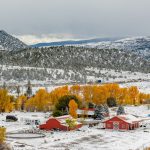
Early December conditions raised concerns among water managers. Warmer-than-average temperatures and limited storm activity delayed snow accumulation across much of the Sierra. The late December storms reversed that trend, helping establish a more stable base for the winter snowpack.
Angelique Fabbiani-Leon, State Hydrometeorologist with the Department of Water Resources, noted that the recent storms arrived cold enough to produce snow rather than rain at higher elevations. She emphasized that while conditions have improved, the season is still in its early stages and long-term water supply will depend on continued storms through winter and early spring.
Reservoir Storage Remains Strong.
In addition to boosting snowpack, recent precipitation has helped maintain strong reservoir storage statewide. Major reservoirs are currently at 123 percent of average for this time of year. This elevated storage reflects not only recent storms but also the cumulative effects of three consecutive years of above-average snowpack.
Department of Water Resources Director Karla Nemeth highlighted that winter rain and snow remain the single most important factor in determining how much water can ultimately be delivered to cities, farms, and ecosystems. She pointed to tools such as Forecast Informed Reservoir Operations and groundwater recharge as ways the state works to maximize the benefits of wet periods while managing flood risk.
Climate Whiplash and Seasonal Uncertainty.
Water officials continue to warn that California’s climate is marked by sharp swings between wet and dry conditions. While droughts and floods have always been part of the state’s climate, recent years have seen more intense and rapid shifts, sometimes occurring within the same season.
Historically, January, February, and March produce the largest snow totals in the Sierra Nevada. This means that much of the winter’s outcome is still ahead. A sustained pattern of storms during these months will be necessary to translate early gains into a reliable water supply for 2026.
What Comes Next.
The Department of Water Resources conducts four media-oriented snow surveys each winter near the beginning of January through April, with an additional May survey if conditions warrant. The next survey is tentatively scheduled for February 3, 2026. Data from these surveys feed directly into water supply forecasts and reservoir management decisions statewide.
As of late December 2025, California’s water outlook has improved from earlier in the month, but officials stress that one round of storms does not determine the entire year. Continued monitoring and winter precipitation will shape planning decisions in the months ahead.
Image via California Department of Water Resources news release: “DWR staff conducting the first snow survey of the season at Phillips Station. Photo taken Dec. 30, 2025.”
Frequently Asked Questions
What is snow water equivalent?
Snow water equivalent is the amount of liquid water contained in the snowpack. It indicates how much water would be available if the snow melted.
Why was the early December snowpack considered weak?
Early December featured warmer-than-average temperatures and limited storm activity, which delayed snow accumulation in the mountains.
How does snowpack affect water deliveries?
Snowpack melts gradually in spring and summer, supplying water to rivers, reservoirs, farms, and cities when demand is highest.
Are California reservoirs full because of one storm system?
No. Reservoir levels reflect recent storms combined with multiple years of above-average snowpack and careful water management.
Is California out of drought conditions now?
Improved snowpack and reservoir storage are positive signs, but water officials emphasize that long-term conditions depend on continued winter and spring precipitation.