- Five teams received $50,000 each on January 7, 2026.
- The challenge focuses on sealing pressurized dam conduits during emergencies.
- Winning teams advance to prototype development and testing.
Thursday, January 8, 2025 — Yesterday, the Bureau of Reclamation  announced the Phase 1 winners of its Seal Team Fix Challenge, a national prize competition designed to improve dam safety across the American West. Five teams were selected to receive $50,000 each from a total prize pool of $575,000, advancing them to the next stage of development.
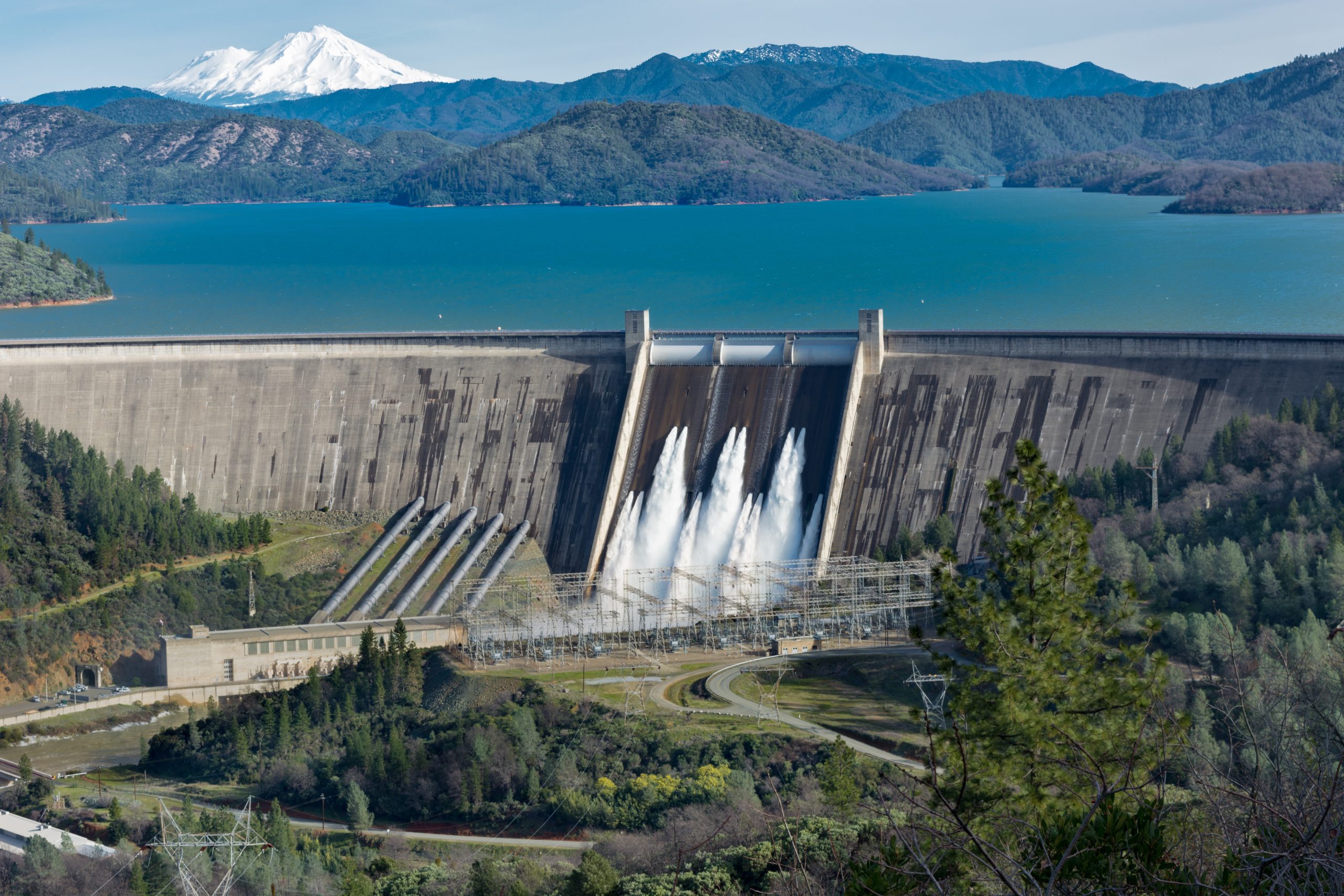
The competition was created to address a rare but high-risk problem facing large dams and water delivery systems. If control is lost over water flowing through a pressurized conduit, such as an outlet works pipe or power penstock, the situation can escalate quickly. An immediate, reliable way to stop or slow that flow is critical for protecting workers, downstream communities, and the integrity of the dam itself.
Why Sealing Pressurized Conduits Matters.
Many Reclamation facilities move enormous volumes of water through large pipes under extreme pressure. In emergency or maintenance scenarios, uncontrolled releases can pose serious safety hazards. Traditional methods are often difficult to deploy quickly or safely when water is already moving at high speed.
The Seal Team Fix Challenge sought crowdsourced engineering solutions that could be rapidly deployed under pressure to temporarily seal these conduits. The goal was not a permanent repair, but a practical way to regain control long enough to stabilize conditions and carry out safe operations.
The Five Phase 1 Winning Concepts.
The selected teams proposed a range of creative approaches to the same core problem, reflecting different engineering philosophies and inspirations.
HYDRA – Hydraulic Dam Retention Assembly (TAB Technologies).
HYDRA is designed as an emergency sealing device that combines a metal anchoring system shaped like an asterisk with a multilayer inflatable bladder. The anchoring system spreads the force across the dam surface, while the bladder inflates with water to block flow. Its modular design allows it to adapt to conduit diameters ranging from 3 to 25 feet and to different conduit shapes.
Inflated Torpedo Tubes with Ventilation (Team Venturi).
This concept uses streamlined, inflatable tubes that align with the direction of water flow. Once inflated, the tubes create a low-pressure, ventilated pocket that replaces part of the water-filled space with air. By reducing the effective flow area, the system limits water movement while forming a wedged, interlocking seal.
HydroSeal Dynamic Multi-Flow Expanding Barrier (Full Circle Solutions).
HydroSeal relies on flexible, inflatable hoses that use the water’s own movement to position themselves inside the conduit. The system is designed to be portable and modular, requiring minimal setup time and fewer personnel. It can be deployed during emergencies or inspections to seal conduit openings quickly.
Roller Seal Fix (Jan Beetge).
This approach centers on a high-strength elastomeric composite capable of being deployed under extreme hydrodynamic and hydrostatic pressures. The design focuses on forming a tight seal between the elastomer and the concrete surrounding a valve opening, while managing the intense energy of fast-moving water during deployment.
Fix the Dam Leak (Bill Rollins).
Inspired by a household sink stopper, this concept scales the idea to an industrial level. The design envisions sealing a conduit up to 25 feet in diameter at depths of around 200 feet, where forces can exceed 3,500 tons. The emphasis is on adapting a familiar, proven concept into a robust tool suitable for large-scale dam infrastructure.
What Happens Next.
According to Bobbi Jo Merten, Ph.D., a civil engineer at Reclamation’s Technical Service Center, the winning concepts highlight how crowdsourcing can bring fresh thinking to complex infrastructure challenges. In Phase 2, the selected teams will develop functional prototypes of their designs. Phase 3 will involve laboratory-scale hydraulic testing to evaluate performance under controlled conditions.
While only a small number of ideas advance, the broader competition provides Reclamation with valuable insights into emerging technologies and unconventional approaches to dam safety.
Implications for the Future.
As aging infrastructure and climate-driven extremes place additional stress on water systems, the ability to respond quickly to rare but dangerous failures is becoming increasingly important. Innovations developed through challenges like Seal Team Fix may help utilities reduce risk, improve worker safety, and protect downstream communities when emergencies occur.
The competition reflects a growing emphasis on preparedness and adaptability in managing the large dams and water delivery systems that millions of people in the West rely on every day.
Frequently Asked Questions
What is the Seal Team Fix Challenge?
It is a prize competition run by the Bureau of Reclamation to find innovative, rapidly deployable ways to seal pressurized dam conduits during emergencies or maintenance situations.
Why are pressurized dam conduits a concern?
If water flow cannot be controlled in these large pipes, it can create dangerous conditions for workers and downstream communities and complicate dam operations.
How many teams won Phase 1?
Five teams were selected as Phase 1 winners and each received $50,000.
What happens after Phase 1?
Winning teams move on to prototype development in Phase 2, followed by laboratory-scale hydraulic testing in Phase 3.
Does this mean the solutions will be installed at dams immediately?
No. The current phase focuses on design and testing. Any future deployment would depend on successful testing and further evaluation by Reclamation.