
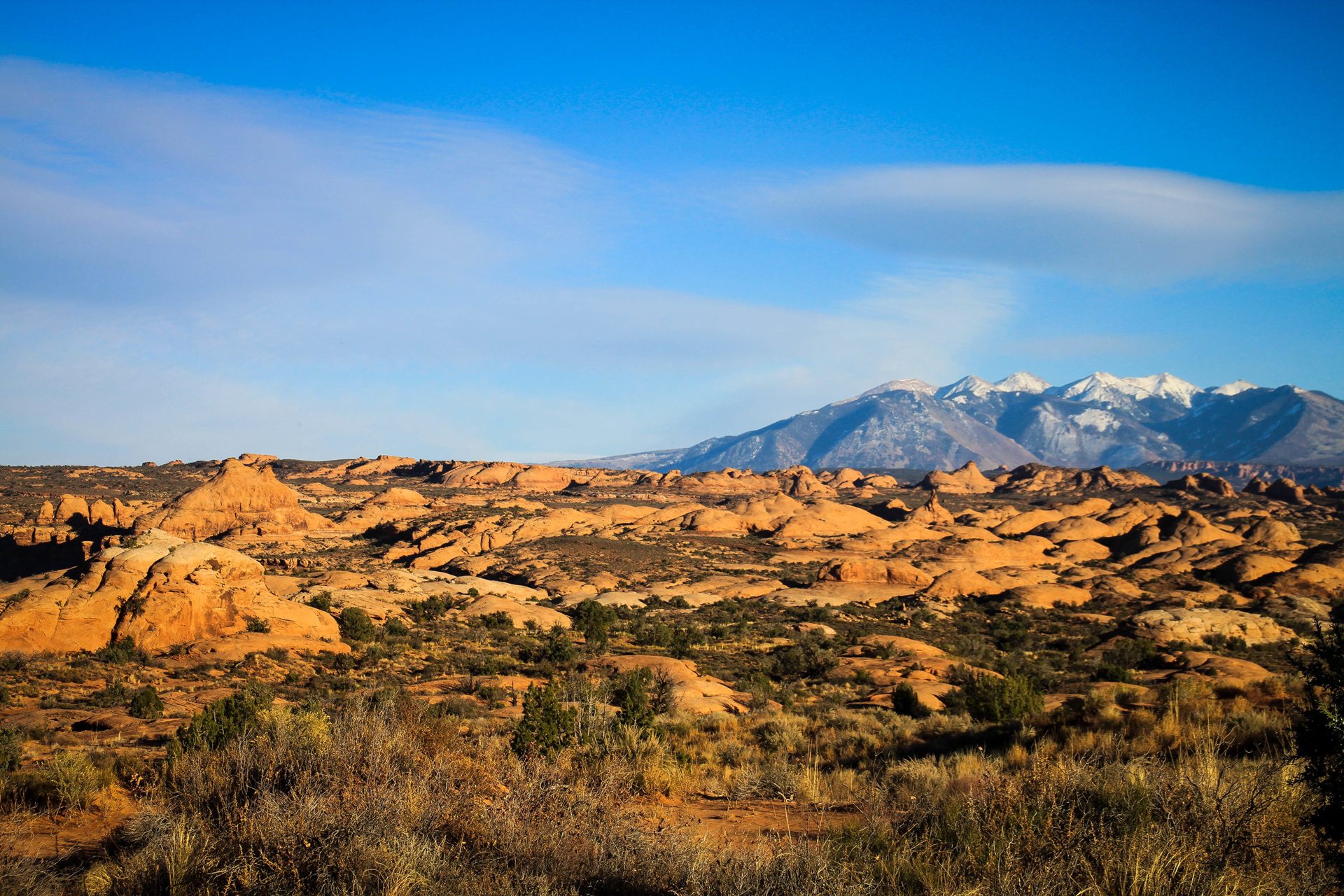
- Nearly all of Utah is experiencing drought conditions this winter.
- Snowpack remains below normal across most of the state.
- Reservoir levels are stable for now but depend on future snowstorms.
- Water managers are urging continued conservation statewide.
Friday, January 23, 2026 — A January 22, 2026 water conditions update from state officials shows Utah entering the heart of winter with mounting water concerns. About 95 percent of Utah’s water supply normally comes from melting mountain snowpack, making winter snowfall critical to refilling reservoirs and supporting farms, cities, and ecosystems through the summer.
So far, this snow season has been underwhelming. Much of the state is reporting below-normal snowpack levels, with only parts of northern Utah performing slightly better than the rest. Even there, conditions remain below long-term averages.
According to the update, 94 percent of Utah is currently experiencing some level of drought. At the same time last year, only about 20 percent of the state was classified as being in drought, highlighting how quickly conditions have worsened.
A Warmer Year Adds to the Challenge.
The situation is compounded by heat. The National Weather Service reported that 2025 was the warmest year on record for Utah. Warmer temperatures can reduce snow accumulation, cause earlier snowmelt, and increase evaporation, all of which make water management more difficult.
Joel Williams, interim director of the Utah Division of Water Resources, summarized the situation bluntly.
“As the old saying goes, ‘In Utah, we are either in drought or preparing for the next one’,” Williams said. “We can all see that our water situation is not looking great.”
Reservoirs Offer a Temporary Buffer.
Despite poor snow conditions, reservoir storage across the state is currently above normal for this time of year. This provides some short-term stability heading into spring and summer.
However, not all reservoirs are the same. Large reservoirs such as Strawberry, Jordanelle, and Deer Creek can store enough water to last multiple years, offering greater protection during extended dry periods. Other reservoirs, particularly smaller ones, typically hold only about one year of water supply, leaving them more vulnerable if dry conditions persist.
State officials stress that reservoir levels alone do not guarantee long-term water security. Without sufficient snowpack, it becomes harder to replenish these storage systems.
Unusual Snow Patterns Complicate Forecasts.
Water supply forecasting is also proving difficult this winter. The Natural Resources Conservation Service noted in its January 1, 2026 Water Supply Outlook Report that unusual snowpack patterns are making it harder to accurately model spring runoff.
The Natural Resources Conservation Service relies on snow measurements to estimate how much water will flow into rivers and reservoirs during melt season. When snow arrives late, melts early, or falls unevenly, predictions become less reliable.
Conservation Remains a Key Strategy.
State agencies continue to emphasize conservation as a practical way to reduce risk. Reservoir storage is designed to help carry Utah through dry summers and drought years, but reducing demand remains critical.
The Utah Department of Natural Resources is promoting programs such as the Agricultural Water Optimization Program, which helps farmers improve irrigation efficiency, and Slow the Flow, which provides water-saving guidance for households. These efforts are intended to improve drought resilience statewide as dry conditions become more frequent.
Looking Ahead.
As of late January 2026, Utah’s water outlook depends heavily on whether winter storms increase in the coming weeks. Strong late-season snowfall could still improve runoff prospects, while continued dry and warm conditions would place additional pressure on water supplies heading into summer.
State officials are urging residents, farmers, and water managers to remain cautious and conservation-minded as the season unfolds.
It will be a dire situation, Callie. They’ve been looking at different options.