- Bill creates a voluntary conservation program in the Colorado River basin.
- Conserved water could be stored in Fontenelle Reservoir.
- Projects must protect existing water rights from injury.
- Program would sunset July 1, 2032.
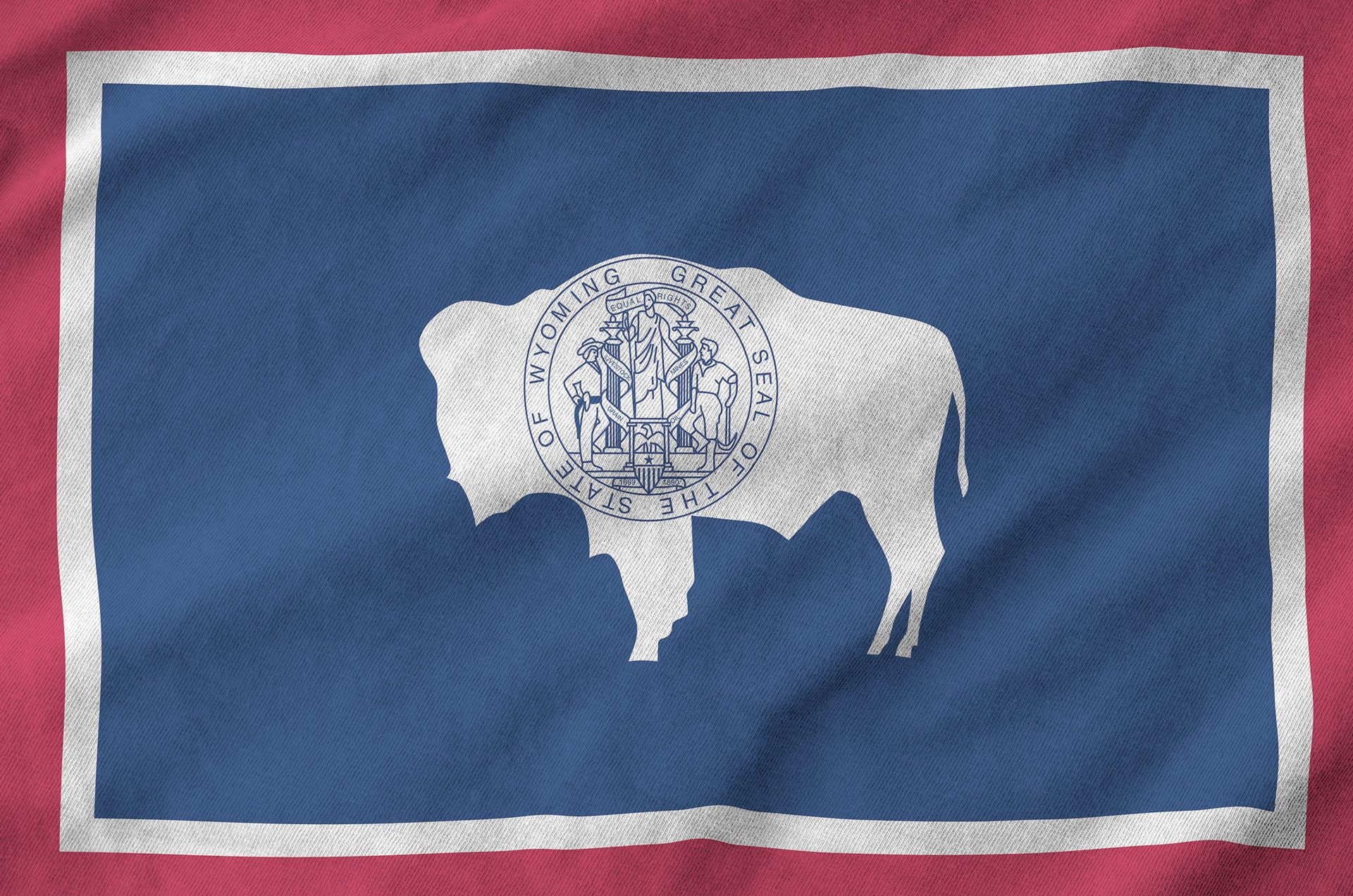
Thursday, February 18, 2026 — Legislation recently introduced in Wyoming would create a voluntary conservation program in the Colorado River basin, allowing conserved water to be stored in Fontenelle Reservoir while protecting existing water rights. The bill includes funding for two new State Engineer positions and would sunset in 2032.
On February 10, 2026, the Wyoming Senate introduced Senate File 0084 , titled the Voluntary Water Conservation Program Act. The measure, sponsored by the Select Water Committee, addresses water use within Wyoming’s portion of the Colorado River basin during an era of prolonged drought.
The legislation opens with a stark legislative finding. Since 2000, the Colorado River basin has faced what lawmakers describe as the worst drought in 1,200 years. That conclusion reflects long term hydrologic research frequently cited by federal agencies and basin states in discussions about river operations.
Senate File 0084 attempts to provide Wyoming water users with a voluntary tool to respond to that reality while remaining within the framework of the 1922 Colorado River Compact and the 1948 Upper Colorado River Basin Compact.
What the Program Would Do.
At its core, the bill creates a voluntary conservation program for water right holders in Wyoming’s share of the Colorado River basin. Participation would not be mandatory.
Under the proposal, any person with a valid water right that diverts water within Wyoming’s portion of the basin may apply to the State Engineer for approval of a conservation project. A conservation project is defined as a voluntary effort that reduces consumptive use or helps Wyoming meet its interstate compact obligations.
Consumptive use refers to water that is depleted from the river system through uses such as irrigation or power generation. It includes water diverted without return flows to the Colorado River system.
Applications would require written forms, documentation, and in some cases, written consent from water right owners or irrigation districts. The State Engineer would publish notice on the agency website at least 30 days before issuing a decision. Adjacent landowners must be notified of irrigation projects that temporarily forego diversion.
Water right holders who believe their rights may be injured could submit written comments. The State Engineer may approve only those projects that do not injure other appropriators and that result in a reduction of historic consumptive use or help satisfy interstate obligations.
The bill gives the State Engineer discretion to deny projects that appear detrimental to the public interest or that facilitate interstate marketing of water.
Protecting Water Rights.
One of the most closely watched aspects of conservation legislation in the West is the risk of abandonment or forfeiture.
The bill addresses that directly. It states that no loss, abandonment, or impairment of water rights shall result from participation in an approved conservation project. Once a project ends, the original rights and uses automatically return.
The measure also limits participation in irrigation projects that temporarily stop diversions. Such projects may last no more than five consecutive years. After participating for at least two and no more than five years, the water right must be used again for at least two years before reentering the program.
To qualify, applicants must show recent consumptive use in at least three of the five years preceding the application, unless the project directly assists with interstate obligations.
Storage in Fontenelle Reservoir.
A significant feature of Senate File 0084 is the authorization to store conserved water in the Fontenelle Reservoir, a federal facility on the Green River operated by the United States Bureau of Reclamation.
Under the bill, conserved water stored in Fontenelle Reservoir could be released for three specific purposes:
-
Beneficial consumptive use within Wyoming through direct delivery or exchange.
-
Mitigation of curtailment or involuntary regulation of Wyoming water right holders.
-
Assistance in meeting Wyoming’s obligations under interstate compacts, including participation in a broader Upper Colorado River basin program.
The State Engineer is also authorized to investigate other reservoirs within Wyoming’s portion of the basin for similar storage opportunities.
The legislation clarifies that participation in the conservation program does not constitute an application to transfer water outside Wyoming.
Funding and Staffing.
According to the fiscal note prepared by the Legislative Service Office and dated 2026, the bill appropriates $510,000 from the general fund to the State Engineer’s Office. The funds would cover two additional full-time positions through June 30, 2028, along with equipment and vehicle expenses.
Personnel and support costs are projected at $255,000 per year for fiscal years 2027 and 2028. Any unspent funds would revert to the general fund on June 30, 2028.
The bill also authorizes an application fee of up to $50 per conservation project. Based on an estimated 20 to 25 applications annually, projected revenue could range from $1,000 to $1,250.
The State Engineer must submit annual reports to the Select Water Committee beginning October 1, 2026 and continuing through 2031. The program would sunset on July 1, 2032 unless extended by the Legislature.
Legislative Status.
As of February 17, 2026, the Senate Agriculture Committee recommended that the bill be amended and do pass by a unanimous vote of five to zero. The measure was rereferred to the Senate Appropriations Committee on February 17, 2026 for further review of fiscal impacts.
Broader Context.
Under federal law, the Secretary of the Interior consults with Colorado River basin states regarding river operations. Basin states have been engaged in discussions about potential Upper Basin conservation programs as part of broader drought contingency efforts.
Wyoming lawmakers describe this bill as a way to support interstate cooperation while providing local water users with flexibility during severe and prolonged drought conditions.
Whether Senate File 0084 becomes law will depend on further legislative debate. If enacted, the program would provide a structured pathway for voluntary reductions in consumptive use, combined with storage options and formal protections for existing rights.