- Federal officials announced a new prize challenge on February 26, 2026.
- The effort targets invasive species that spread through boat ballast systems.
- Quagga and zebra mussels alone cause more than $1 billion in damage each year.
- The competition will award funding for concepts, engineering designs, and working prototypes.
Monday, March 2, 2026 — Federal water managers are turning to inventors and engineers for help stopping the spread of destructive aquatic invasive species.
On February 26, 2026, the United States Bureau of Reclamation announced a new prize competition called the Halt the Hitchhiker: Invasive Species Challenge . The effort seeks innovative technologies that prevent invasive organisms from spreading through watercraft ballast compartments.
Ballast compartments are small tanks or chambers used to stabilize boats. They often hold small amounts of water after a vessel leaves the lake or reservoir. That leftover water can carry tiny organisms to the next waterbody the boat visits.
Officials say that seemingly small amount of water can transport harmful species that threaten western water infrastructure.
Aquatic invasive species such as quagga mussels, zebra mussels, and golden mussels have become a major concern for reservoirs, irrigation systems, and hydropower facilities throughout the western United States.
According to the Bureau of Reclamation, quagga and zebra mussels alone are responsible for more than $1 billion each year in control costs and infrastructure damage nationwide.
How Mussels Threaten Western Water Systems.
These invasive mussels attach to hard surfaces and multiply rapidly. Once established, they can clog pipes, pumps, and intake systems that move water for farms, cities, and hydropower plants.
Facilities along major western reservoirs must often install expensive filtration and cleaning systems to keep water moving through canals and power plants.
The recent detection of golden mussels in California has heightened concerns among water managers. Golden mussels have spread quickly in other parts of the world and could pose additional risks to reservoirs and water delivery systems if they become established in the western United States.
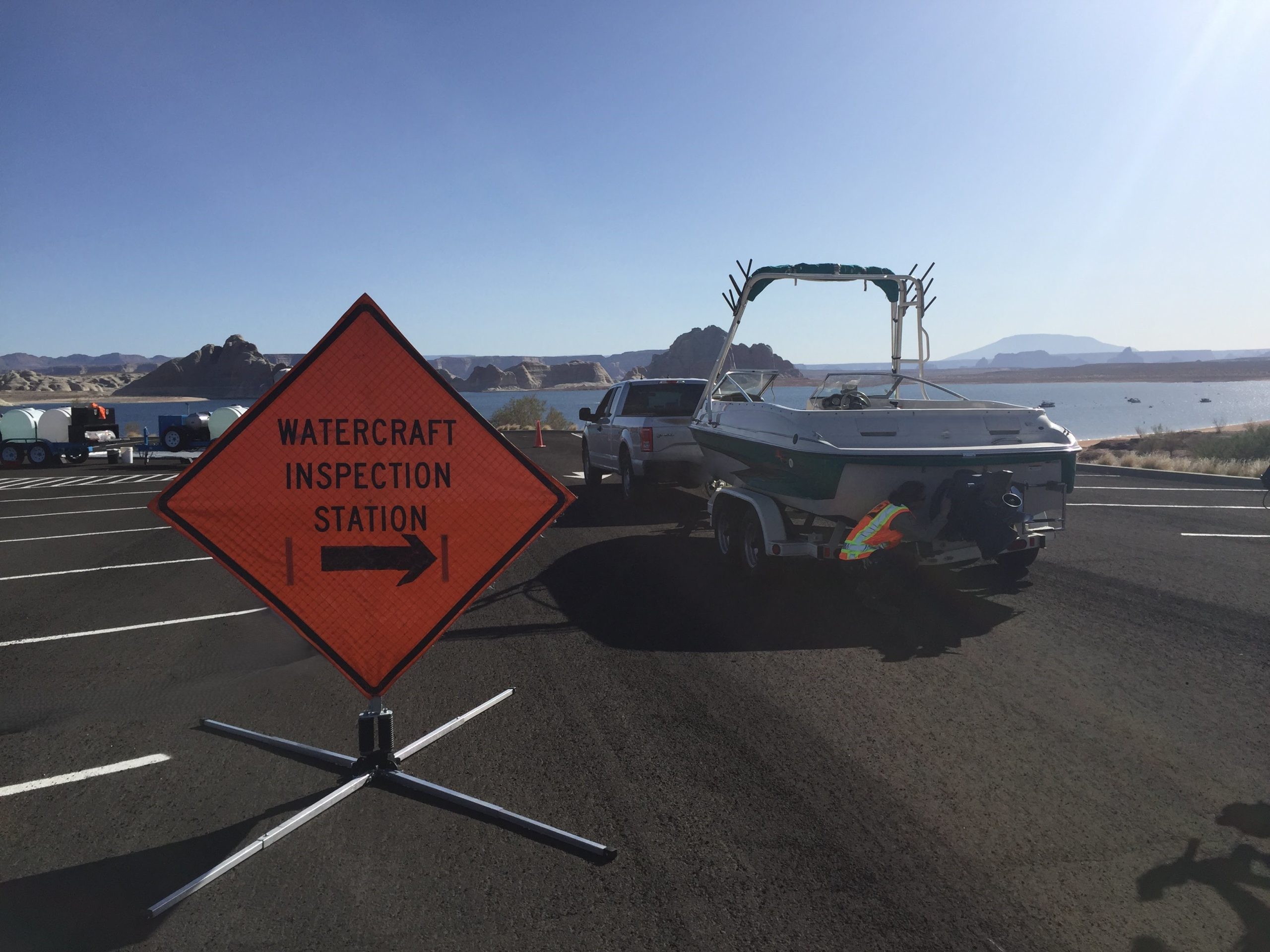
Because of those risks, many western states operate Watercraft Inspection and Decontamination programs. These programs inspect boats entering lakes and reservoirs and often require hot water cleaning if contamination is suspected.
While effective, those programs can slow down boat traffic during peak recreation seasons because inspections require trained staff and specialized equipment.
A Three-Stage Competition.
The new challenge is designed to encourage practical technologies that could help reduce those bottlenecks while preventing the spread of invasive species.
The Bureau of Reclamation structured the competition in three stages.
- Phase One invites participants to submit concept papers describing new inspection or decontamination ideas. Up to six winning concepts will receive awards of up to $25,000.
- Phase Two will allow selected teams to present virtual pitches showing how their ideas could be turned into engineered designs. Up to three teams will receive awards of up to $50,000.
- Phase Three will focus on prototype development. Finalists will build working models for laboratory testing. The top prototype could receive as much as $125,000, with additional prizes for second and third place.
Officials say the challenge is open to solutions from many industries and technical fields.
Searching for Safe and Practical Technology.
The Bureau of Reclamation said the goal is to identify technologies that can kill, exclude, or inactivate invasive species inside ballast compartments while remaining safe for boat owners, inspection workers, and the surrounding environment.
Solutions must also avoid creating hazardous waste or damaging watercraft.
Federal officials said the effort is intended to complement existing inspection and decontamination programs rather than replace them.
If successful, the technologies developed through the competition could make it easier to reduce the spread of invasive species while keeping recreation access open at western lakes and reservoirs.
The Bureau of Reclamation is working with the innovation firm yet2 to manage the competition and evaluate proposed technologies. Access the yet2 submission form and more information here.
Image from the Bureau of Reclamation’s press release.