- H.R. 7567 proposes updated support for rural water infrastructure.
- The bill expands assistance for wells and wastewater systems.
- Conservation programs emphasize drought and watershed protection.
- Western agriculture groups say stable farm policy is urgently needed.
Thursday, March 5, 2026 — The proposed 2026 Farm, Food, and National Security Act (H.R. 7567) includes provisions affecting rural water systems, wells, conservation programs, and drought resilience across the Colorado River Basin states.
A broad look at the 2026 Farm Bill and its support.
The Farm, Food, and National Security Act of 2026 is the House’s latest major attempt to reauthorize and update the nation’s farm bill framework. Farm bills are large, multi-year packages that typically cover a wide range of programs, including the farm safety net for commodity producers, crop insurance and disaster tools, conservation programs, research and extension, rural development, and nutrition assistance such as the Supplemental Nutrition Assistance Program.
According to a House Committee on Agriculture press release dated March 3, 2026, the bill had public support from more than 230 stakeholder organizations as it headed into committee consideration.
The bill’s formal legislative track began earlier in the year. Congressional records show H.R. 7567 was introduced on February 13, 2026, and referred the same day to the House Committee on Agriculture.
National groups supporting the proposal include commodity organizations, credit and insurance groups, conservation and forestry organizations, food system and retail associations, and others. Many of the public statements emphasize predictability and certainty for producers facing volatile markets, high input costs, and weather stress. The American Farm Bureau Federation, for example, called for moving the bill through a bipartisan process to give producers stable policy after years of delays.
Why water matters so much in the Colorado River Basin states.
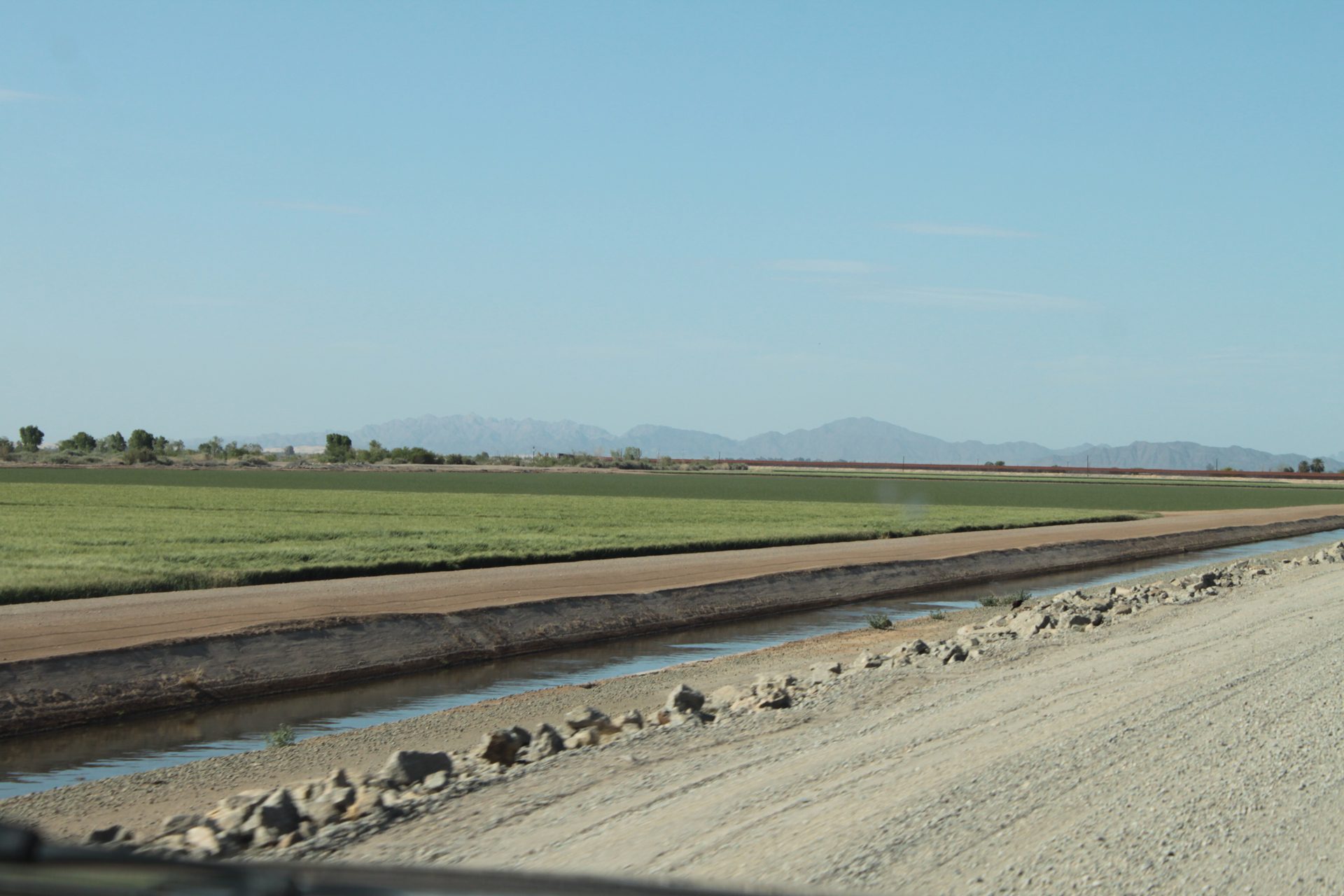
For the Colorado River Basin states (Arizona, California, Colorado, Nevada, New Mexico, Utah, and Wyoming), water is not a side issue. It is a daily constraint on what can be planted, whether a herd can be maintained, and whether rural communities can keep basic services operating. Drought, shrinking reservoirs, groundwater pressure, and rising infrastructure costs all affect farmers, ranchers, and rural towns throughout the region.
That is why, within a bill often discussed in terms of crops and nutrition programs, the rural water provisions can matter just as directly to the region’s resilience as market programs or crop insurance changes.
Rural drinking water and wastewater updates.
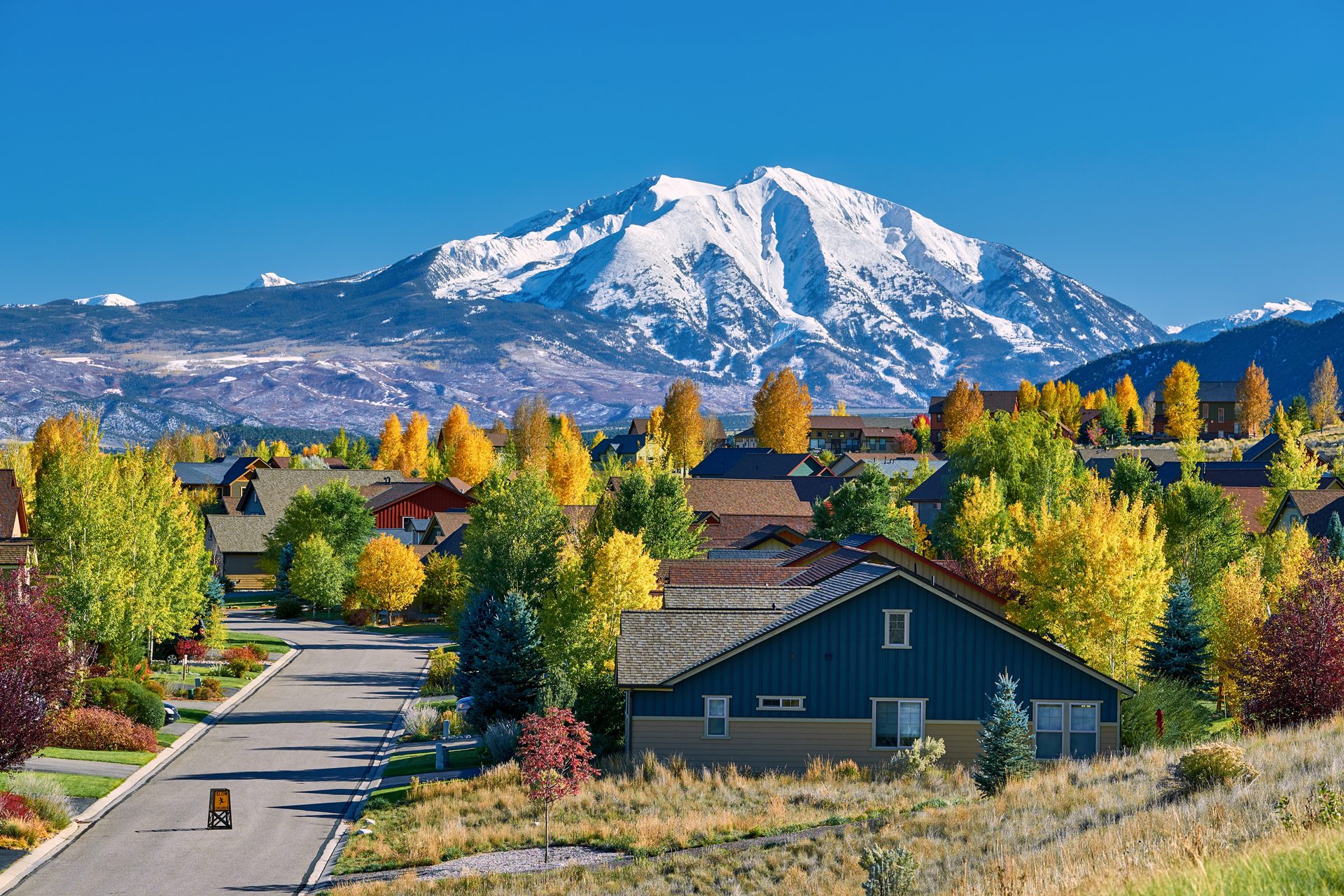
H.R. 7567 includes a block of rural development provisions focused on water and wastewater systems. Several sections address water and waste-disposal infrastructure, including grants, technical assistance, and financing tools to help small communities maintain essential systems.
One example is the Rural Water and Wastewater Circuit Rider Program. The legislation describes a national network of expert circuit riders who provide technical assistance to eligible rural systems. These specialists work directly with local water operators and community leaders to help address operational, financial, and regulatory challenges.
The bill also establishes eligibility criteria based on population and includes disaster and recovery assistance for systems serving larger service areas during emergencies.
Another provision focuses on assistance for distressed water systems. Under the proposed legislation, certain rural systems could receive loans with interest rates as low as zero or one percent. The bill also allows refinancing of existing loans and other adjustments designed to help struggling systems regain long-term financial stability.
The legislation also includes support for household-level water infrastructure. Rural residents who rely on private wells or decentralized wastewater systems could receive technical assistance and financial help to install or replace equipment. Assistance could also include interpreting water-quality test results and addressing contamination in groundwater wells.
Loan terms described in the bill include interest rates of 1% for up to 20 years, with assistance capped at $20,000 per system. The proposal also establishes standards for treatment components and requires professional installation of equipment.
Funding authorization for the program is set at $20 million annually for fiscal years 2027 through 2031.
These types of programs are particularly relevant in the Colorado River Basin states, where many rural residents rely on wells and where groundwater quality and declining water levels can create expensive infrastructure challenges.
Conservation programs tied to drought and watershed protection.
Beyond drinking water infrastructure, farm bills also influence how conservation programs operate across working agricultural lands.
The 2026 proposal includes provisions that encourage conservation projects at regional or watershed scales. These efforts can focus on protecting water resources, including drinking water sources and groundwater supplies. The bill language also highlights projects designed to prevent or reduce flooding, address drought conditions, and improve overall watershed resilience.
For the Basin states, where extreme weather patterns increasingly swing between drought and intense storms, watershed-scale conservation work can include soil practices that hold moisture, erosion reduction projects, and partnerships that protect water quality in rivers and reservoirs.

What Western agriculture groups are saying.
Support statements from agricultural organizations with strong ties to the Colorado River Basin frequently highlight drought and water limitations.
The Arizona Cotton Growers Association noted that producers in the state operate in one of the most water-limited regions of the country. The organization said reliable federal programs are critical to maintaining production and supporting rural economies while sustaining the domestic textile supply chain.
In New Mexico, the New Mexico Farm and Livestock Bureau supported the bill while emphasizing the importance of research and innovation programs that address drought, water availability, soil health, and climate variability.
Groups that work directly with rural communities also expressed support for the water infrastructure provisions. The Rural Community Assistance Partnership, which provides technical assistance to rural water systems across the United States, highlighted provisions in the legislation that expand financing options for distressed water systems and broaden eligibility for decentralized wastewater systems.
What happens next.
As of March 5, 2026, the Farm, Food, and National Security Act of 2026 remained in the early stages of the legislative process. Congressional records show the bill had been introduced and referred to the House Committee on Agriculture, where lawmakers were beginning the review and markup process.
If the legislation advances, it would still need to move through the full House of Representatives, then be reconciled with Senate legislation before reaching the President’s desk.
For communities across the Colorado River Basin states, the water-related provisions within the farm bill represent more than policy language. They connect directly to whether small rural systems can maintain safe drinking water, whether households can afford well repairs and treatment systems, and whether conservation programs can help agriculture adapt to long-term drought conditions.