- A bipartisan bill targets delays in small water projects.
- Local communities often wait years for federal approvals.
- The proposal would streamline environmental review rules.
- Projects with limited federal funding would qualify.
Friday, March 27, 2026 — A new bipartisan bill could speed up small water projects by cutting federal review delays, helping western communities build faster.
On March 17, 2026, U.S. Senators Mark Kelly of Arizona and Cynthia Lummis of Wyoming introduced new legislation to accelerate the development of small water projects. The proposal, called the Community Water Project Acceleration Act , focuses on reducing delays that have slowed local infrastructure work across the West.
Many communities depend on federal funding to repair or build water systems. But even relatively simple projects can sit idle for months or years while going through federal environmental review. Local leaders say those delays can raise costs and stall urgently needed improvements.
Senator Kelly described the proposal as a practical fix. He noted that communities need reliable water systems and should not have to wait years to use funds that have already been approved.
What the Bill Would Change.
The legislation focuses on projects handled by the U.S. Army Corps of Engineers. It would allow certain smaller projects to bypass lengthy environmental reviews under the National Environmental Policy Act when specific conditions are met.
Under the bill, a project could qualify if the federal share is less than six million dollars, or if federal funding makes up less than fifteen percent of the total cost, with an overall cap of thirty-five million dollars.
The work must also be carried out by a non-federal sponsor, such as a city, town, or local district.
In simple terms, the proposal is meant for smaller, locally driven projects where federal involvement is limited. The goal is to move those projects more quickly from planning to construction.
Why Delays Matter on the Ground.
Across Arizona and other western states, local officials say the current process can create real problems.
In the Town of Superior, leaders reported that a federally funded creek restoration project was still awaiting environmental review four years later. During that time, rising costs reduced how far the original funding could go.
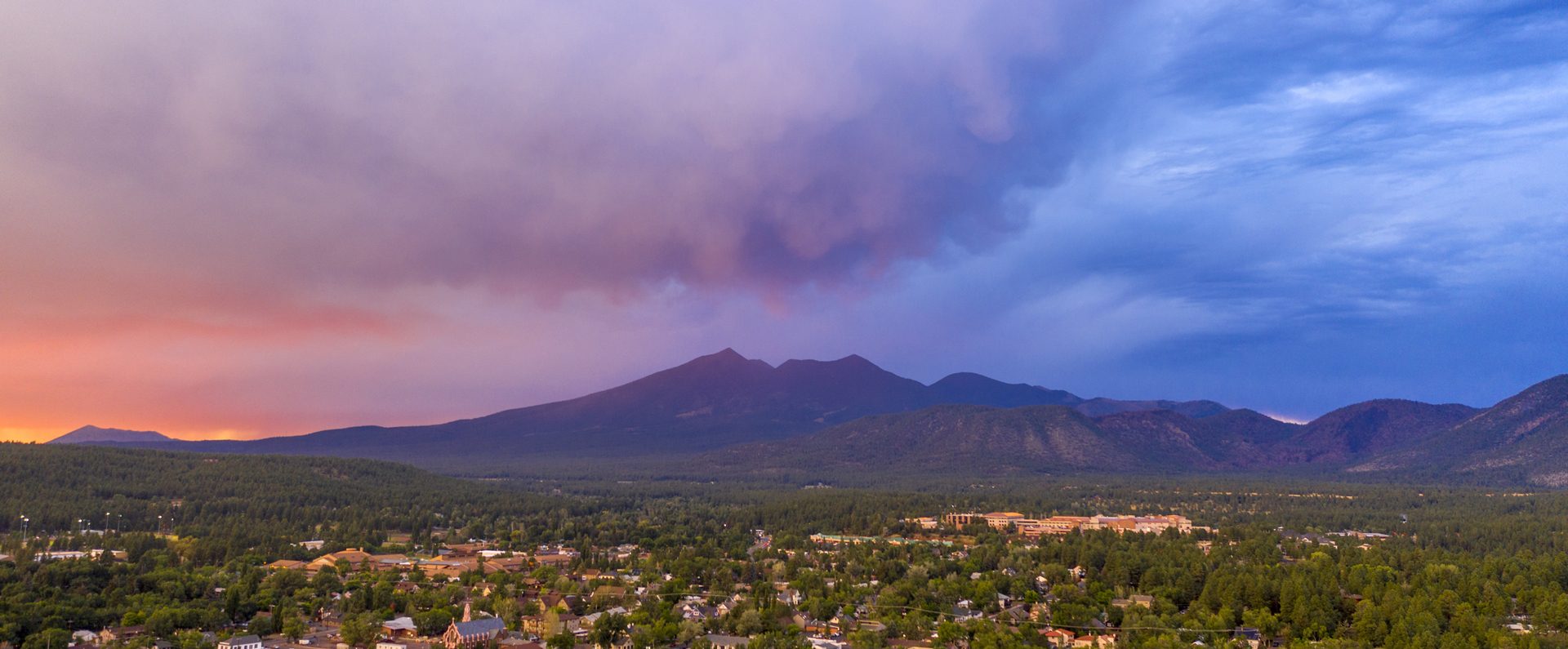
In Flagstaff, delays led the city to shift funding to other projects because it could not afford to wait.
In Buckeye, officials said streamlining reviews would help move forward upgrades to a water reclamation facility, saving both time and resources.
Smaller districts, such as the Buckskin Sanitary District, emphasized that long review timelines can consume limited funds before construction even begins.
A Familiar Model.
The bill is based on a model already used in federal highway projects, under which certain low-impact projects can move forward without a full environmental review. Supporters say applying a similar approach to water infrastructure could help communities respond more quickly to aging systems and growing demand.
The legislation directs the Secretary of the Army to establish these streamlined categories within a set timeframe after the bill becomes law.
What Comes Next.
The proposal has been introduced in the Senate and referred to committee for further consideration. If passed, it would mark a shift in how smaller water projects are reviewed and approved.
For many western communities, the issue is not whether projects are needed, but how quickly they can be built. This legislation focuses on that gap, seeking to shorten the time between funding approval and construction on the ground.