
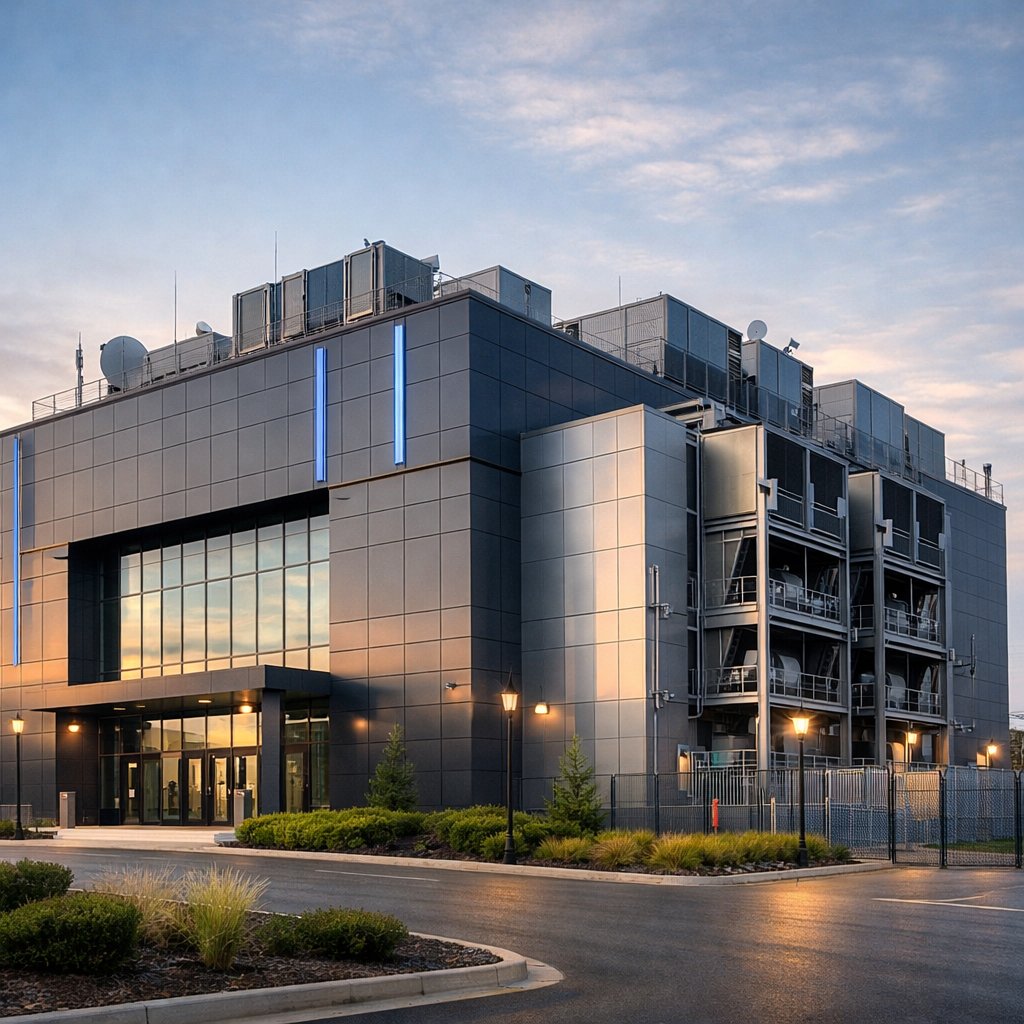
- New bill would require data centers to report water and energy use.
- Large facilities can consume as much water as thousands of homes.
- Rural communities are increasingly targeted for development.
- Costs tied to rising demand may be passed on to utility customers.
Thursday, March 26, 2026 — Across the United States, the rapid growth of data centers is beginning to draw closer attention from lawmakers and local communities. On March 25, 2026, U.S. Senator Dick Durbin  introduced new legislation designed to bring transparency to how much water and electricity these facilities consume. The proposal comes at a time when many Americans are already seeing higher utility bills and are asking what is driving those increases.
A Growing Demand for Power and Water.
Data centers, which support everything from cloud storage to artificial intelligence systems, require large amounts of electricity to operate and significant volumes of water to keep equipment cool. According to estimates cited in the legislation, a single 100-megawatt data center can use about as much water as 2,600 households. Some newer facilities are planned at more than ten times that size, increasing both energy and water demand in the areas where they are built.
The number of facilities is also rising quickly. There are roughly 4,000 active data centers across the country, with about 3,000 more either planned or already under construction. This expansion is being driven in part by the growing use of artificial intelligence, which requires large-scale computing power.
What the Proposed Law Would Do.
The proposed Data Center Water and Energy Transparency Act would require operators to report how much electricity and water they use, along with where those resources come from. Companies planning new facilities would also need to estimate their expected use during the first five years of operation.
States would collect this information and share it with federal agencies, including the Environmental Protection Agency, the Department of Energy, and the Department of Agriculture. These agencies would then publish regional reports showing how data centers are affecting water supplies, energy demand, and local utility rates.
The legislation also outlines penalties for companies that fail to comply, including fines for each day they do not report required information.
Why Local Communities Are Paying Attention.
Many of the new data centers are being built in rural counties, where land is more available but water and power resources can be limited. Local officials and residents are increasingly asking whether their communities can support the added demand.
Under the proposed law, local governments would be able to review data on projected water and energy use before approving new projects. This information could help communities weigh the economic benefits of development against the potential strain on local resources.
A Question of Costs.
One of the central concerns behind the legislation is who ultimately pays for the growing demand. As data centers expand, utilities may need to build new infrastructure or secure additional water supplies. In some cases, those costs can be passed on to customers through higher utility bills.
Supporters of the bill argue that clearer information will help communities and policymakers make more informed decisions. By understanding how much water and electricity data centers require, officials can better plan for growth while protecting local resources.