
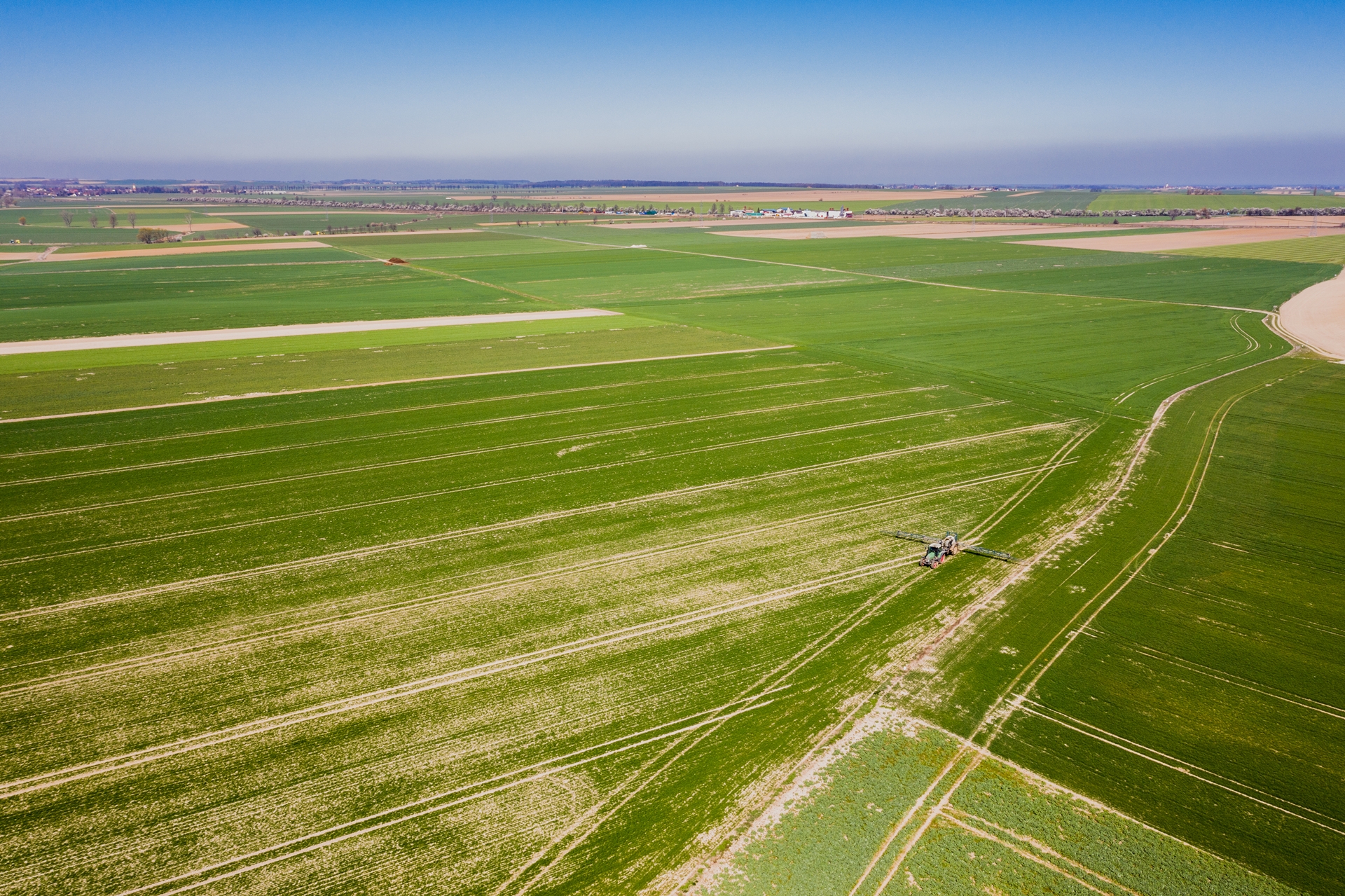
- Federal Central Valley Project water allocations increased slightly in March 2026.
- Irrigation deliveries remain far below full contract amounts.
- Snowpack and dry conditions in California continue to limit supply.
- Farmers warn of rising groundwater use and long-term risks.
Wednesday, March 25, 2026 — The Bureau of Reclamation announced a small increase in water deliveries from California’s Central Valley Project, reflecting slight improvements in weather and runoff conditions.
The increase announced yesterday follows late February storms that provided some relief. However, officials emphasized that the overall water outlook remains uncertain due to ongoing dry conditions and a declining Sierra Nevada snowpack.
Acting Regional Director Adam Nickels said conditions require “careful, real-time management” as the state moves through a highly variable water year.
Who Gets More Water.
The updated allocations raise irrigation supplies for many users, but only by a small margin.
In-Delta agricultural contractors saw their allocation increase from 15 percent to 20 percent of their contract amounts. South-of-Delta irrigation contractors received the same increase, also moving from 15 percent to 20 percent.
Municipal and industrial users south of the Delta received a slight boost as well, rising from 65 percent to 70 percent of their historic use or public health needs.
Additionally, about 222,000 acre-feet of previously unused water is now available for delivery this year.
Despite these increases, most agricultural users are still receiving only a fraction of their normal supply.
Water Still Held in Reserve.
Federal managers are also holding back part of the system’s water as a drought safeguard.
About 94,000 acre-feet remains stored in San Luis Reservoir and is not included in current allocations.
This reserve is intended to protect the system if conditions worsen later in the year.
Farmers Say It Is Not Enough.
Agricultural leaders responded quickly, saying the increase offers little relief.
Westlands Water District, one of the largest agricultural water providers in the country, said the additional 5 percent allocation does not solve the bigger problem.
General Manager Allison Febbo stated that low allocations are forcing farmers to rely more heavily on groundwater pumping, which can damage aquifers over time.
She also pointed to long-standing issues in California’s water system, including aging infrastructure and limited storage capacity.
A System Under Pressure.
The situation highlights a growing challenge across the West. Even when storms arrive, the system struggles to capture and deliver enough water to meet demand.
Federal officials say they are working to balance water deliveries with environmental protections and reservoir management. Operational changes under recent federal directives are also intended to improve flexibility.
Still, the gap between supply and demand remains wide.