- Salmon spawning targets were met, with added production planned.
- Hatchery releases are scheduled to support both river and ocean fisheries.
- Fall and winter conditions are drawing anglers back to the Feather River.
Wednesday, December 17, 2025 — Salmon spawning season wrapped up at the Feather River Fish Hatchery on December 12, 2025, marking a strong year for one of California’s most important fish facilities. According to the California Department of Water Resources , the hatchery met its usual production goals of 2 million spring-run and 6 million fall-run Chinook salmon fingerlings, with extra eggs collected to allow for increased production.
Those additional eggs matter. In response to recent declines in Central Valley Chinook salmon populations, hatchery staff are expanding output beyond normal levels. This includes plans to raise an extra 1 million spring-run fingerlings, 2.5 million fall-run unfed fry, and another 1 million fall-run fingerlings intended to support ocean fisheries.
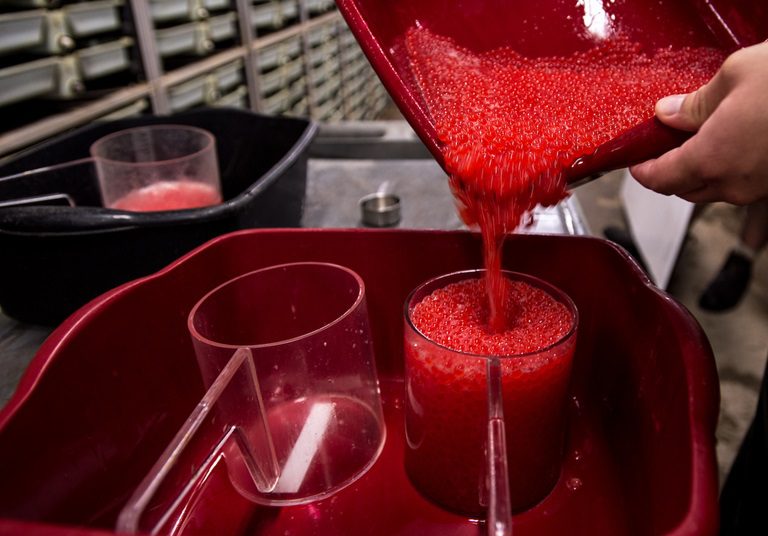
Spawning begins when adult salmon return from the Pacific Ocean to the Feather River, completing a journey that can span hundreds of miles. Hatchery staff collect eggs from females and milt from males, carefully fertilize the eggs, and then place them in incubators. Over the next 85 days, the eggs develop until the fish reach the fry stage. Once they can feed, some are released directly into the river, while others are transferred to long outdoor ponds, known as raceways, where they grow into fingerlings.
Between March and June, these young salmon will be released into the Feather River and San Francisco Bay, helping replenish both inland waterways and coastal fisheries.
Supporting Salmon Health and Survival.
In recent years, Chinook salmon have faced additional challenges linked to vitamin B1 deficiencies, which can reduce survival during early life stages. During the 2025 spawning season, the Department of Water Resources and the California Department of Fish and Wildlife continued thiamine treatments at the hatchery. These treatments are intended to improve fish health and increase survival rates from egg to juvenile, adding another layer of protection as the salmon begin their journey.
A Hatchery Built to Offset Dam Impacts.
The Feather River Fish Hatchery was built in the late 1960s as part of the California State Water Project, following construction of Oroville Dam. The facility was designed to help offset the dam’s impacts on fish migration and remains a key mitigation feature today.
The Department of Water Resources owns and maintains the hatchery and provides funding to the California Department of Fish and Wildlife, which carries out the day-to-day spawning, rearing, and stocking operations. Together, the agencies manage a facility that plays a long-standing role in maintaining salmon populations in the Feather River system.
Steelhead and Seasonal Fishing Opportunities.
While salmon draw much of the attention, steelhead trout are also making their seasonal return to the Feather River. Like salmon, steelhead migrate between freshwater and the ocean, with most returning upstream during the fall and winter months. More than 1,600 steelhead have passed the Department of Water Resources fish monitoring station this year, signaling favorable conditions for anglers.
These fish typically spend 1 to 2 years in the ocean and can weigh 2 to 8 pounds. The Oroville Wildlife Area provides walk-in access to several miles of river and multiple boat launch locations. Nearby, the Thermalito Afterbay offers additional fishing opportunities, particularly for hatchery-raised steelhead that usually range from 2 to 4 pounds.
Lake Oroville Remains a Year-Round Draw.
Beyond the river, Lake Oroville continues to serve as one of the State Water Project’s most popular recreational destinations. The lake supports both warm-water and cold-water fisheries, with fall and winter months often providing strong bass fishing.
Marinas at Bidwell Canyon and Lime Saddle remain open daily, offering fuel, boat rentals, and other services. Anglers are reminded to follow California Department of Fish and Wildlife fishing regulations when planning outings.
Image via the California Department of Water Resources: A view of the salmon spawning operations, where personnel harvest and fertilize eggs, at the Feather River Fish Hatchery in Oroville, California.
Frequently Asked Questions
Why is salmon production being increased this year?
Additional production is planned to help offset recent declines in Central Valley Chinook salmon populations and to support both river and ocean fisheries.
When will hatchery salmon be released?
Releases of fry and fingerlings are scheduled between March and June, with fish entering both the Feather River and San Francisco Bay.
What are thiamine treatments, and why are they used?
Thiamine treatments address vitamin B1 deficiencies that can affect salmon survival during early life stages, improving the chances that young fish reach maturity.
Is fishing currently open at the Feather River and Lake Oroville?
Fishing opportunities are available, particularly for steelhead trout and bass, subject to California Department of Fish and Wildlife regulations.
Who operates the Feather River Fish Hatchery?
The facility is owned and maintained by the California Department of Water Resources, with spawning and rearing operations carried out by the California Department of Fish and Wildlife.