- The U.S. House did not secure enough votes on January 8, 2026.
- The veto involved financing changes for a long delayed rural pipeline.
- The measure had passed Congress earlier without opposition.
- Construction continues under existing funding arrangements.
Friday, January 16, 2026 — The U.S. House of Representatives failed to override Donald Trump’s veto of legislation tied to a major Colorado water infrastructure project. On January 8, the override vote fell short of the two-thirds majority required , ending efforts to send the measure to the Senate. The bill had previously cleared both chambers of Congress by voice vote and unanimous consent, reflecting its earlier bipartisan support.
The legislation focused on financing adjustments for the Arkansas Valley Conduit, a federally authorized drinking water project in southeastern Colorado. The President vetoed the bill on December 29, 2025, citing concerns about shifting additional financial responsibility to federal taxpayers. Supporters of the override argued that the bill addressed long-standing rural infrastructure challenges, while opponents backed the Administration’s position that repayment obligations should remain primarily local.
Background on the Arkansas Valley Conduit.
The Arkansas Valley Conduit is a planned 130-mile pipeline designed to deliver treated surface water from Pueblo Reservoir to 39 towns and rural water systems east of Pueblo, serving an estimated 50,000 people. Authorized by Congress in 1962, the project was delayed for decades due to financing requirements that proved unworkable for small communities. Amendments adopted in 2009 reduced the local repayment share, allowing construction to begin after Colorado approved state loans and grants in 2020.
More than $249 million has already been spent, with total project costs now estimated at about $1.3 billion. The vetoed legislation would have extended repayment timelines and reduced interest rates for local participants. While the decision does not stop construction, it leaves current financing terms unchanged and highlights ongoing national debates about how large rural water projects should be funded over long time horizons.
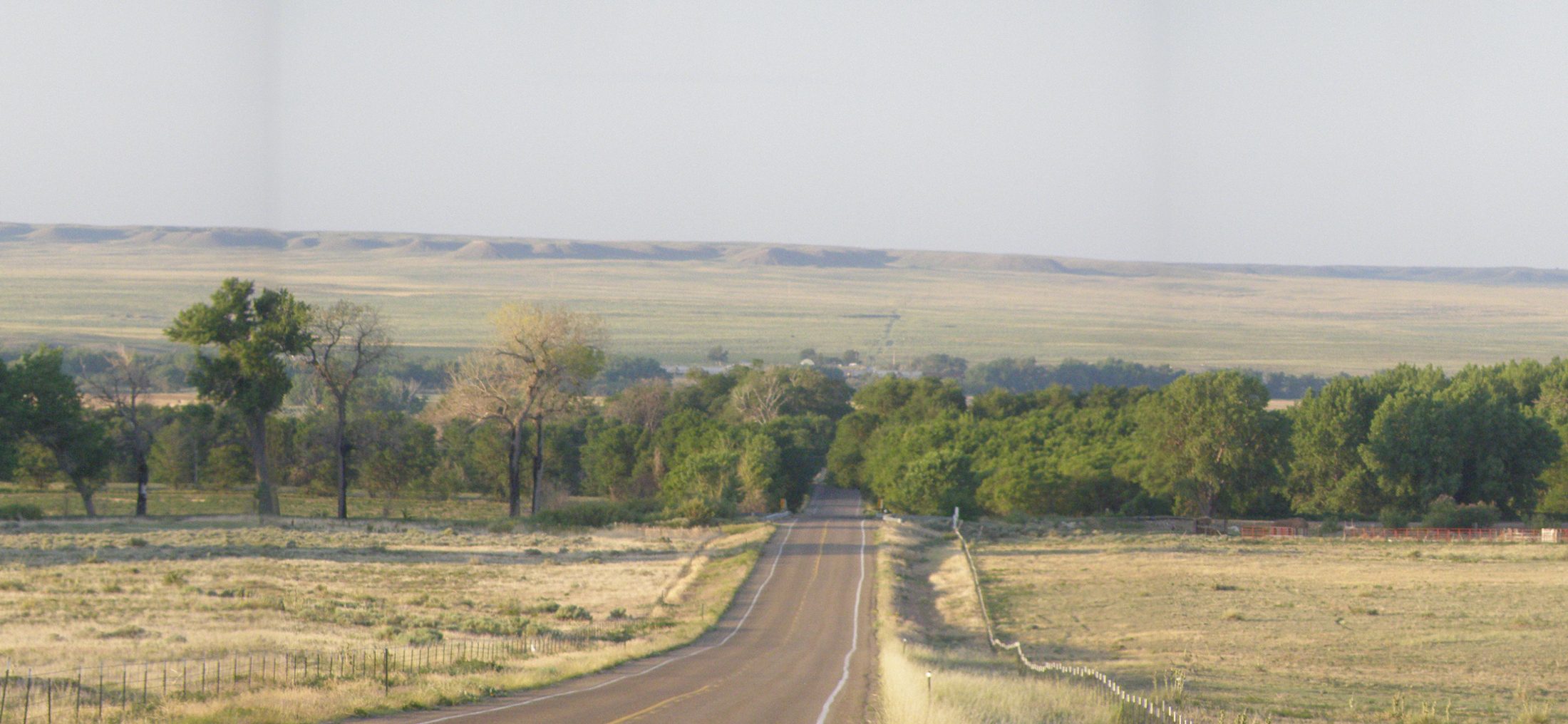
Image: Arkansas River Valley near Lamar, Colorado , June 2011, by Chris Light. Licensed under the Creative Commons Attribution-Share Alike 4.0 International license.