- Congress is considering legislation to ratify and fund a major tribal water settlement.
- The agreement confirms water rights and finances new infrastructure in the Verde Valley.
- Supporters say it will reduce groundwater use and help protect the Verde River.
Monday, January 19, 2026 — After decades of negotiations and litigation, federal lawmakers are again moving to finalize a comprehensive water rights settlement for the Yavapai-Apache Nation in central Arizona. Legislation reintroduced in Congress in mid-January 2026 would ratify the Yavapai-Apache Nation Water Rights Settlement and authorize more than one billion dollars in federal funding for water infrastructure and related provisions.
The Yavapai-Apache Nation is located in Arizona’s Verde Valley and includes more than 2,500 enrolled members across five communities. Like many tribes in the Southwest, the Nation has pursued formal recognition of its water rights for generations. Those claims have been tied up for more than 40 years in Arizona’s complex general stream adjudications.
If approved, the settlement would bring legal certainty to those claims while reshaping how water is supplied to the Nation and parts of the surrounding region.
What the Settlement Would Do.
The proposed Yavapai-Apache Nation Water Rights Settlement Act of 2026 would ratify an agreement approved by the Tribal Council in June 2024. It reflects negotiations among the Nation, the State of Arizona, the United States, the Salt River Project, and several Verde Valley communities.
At its core, the settlement confirms the Nation’s right to use up to 4,610 acre-feet of water per year. That total includes surface water, limited groundwater, and the Nation’s existing allocation from the Central Arizona Project. The agreement also allows the Nation to reuse all treated wastewater generated from this supply for agricultural purposes.
In exchange, the Nation and the United States would waive claims for water-related damages against existing water users in the Verde River watershed and against the federal government. Supporters say this provision provides long-sought certainty for farmers, municipalities, and other users in the basin.
Major Infrastructure Investment Planned.
A central feature of the settlement is the construction of a large pipeline to bring water from the C.C. Cragin Reservoir, located outside the Verde Valley, into the region. The Secretary of the Interior would be directed to plan, design, and construct the pipeline as part of the Salt River Federal Reclamation Project.
According to cost estimates included in the legislation, the major funding components include:
-
Approximately $731 million for construction of the Cragin-to-Verde pipeline.
-
About $152 million for a surface water drinking plant and main transmission lines on the Yavapai-Apache reservation.
-
$156 million for a Yavapai-Apache Nation Water Settlement Trust Fund.
The combined total authorized under the settlement is roughly $1.039 billion.
Once delivered, the imported water would be treated at a modern facility and used primarily for drinking water. Tribal leaders and other supporters say this shift would reduce reliance on local groundwater pumping, which has been a long-standing concern in the Verde Valley.
Implications for the Verde River and Local Communities.
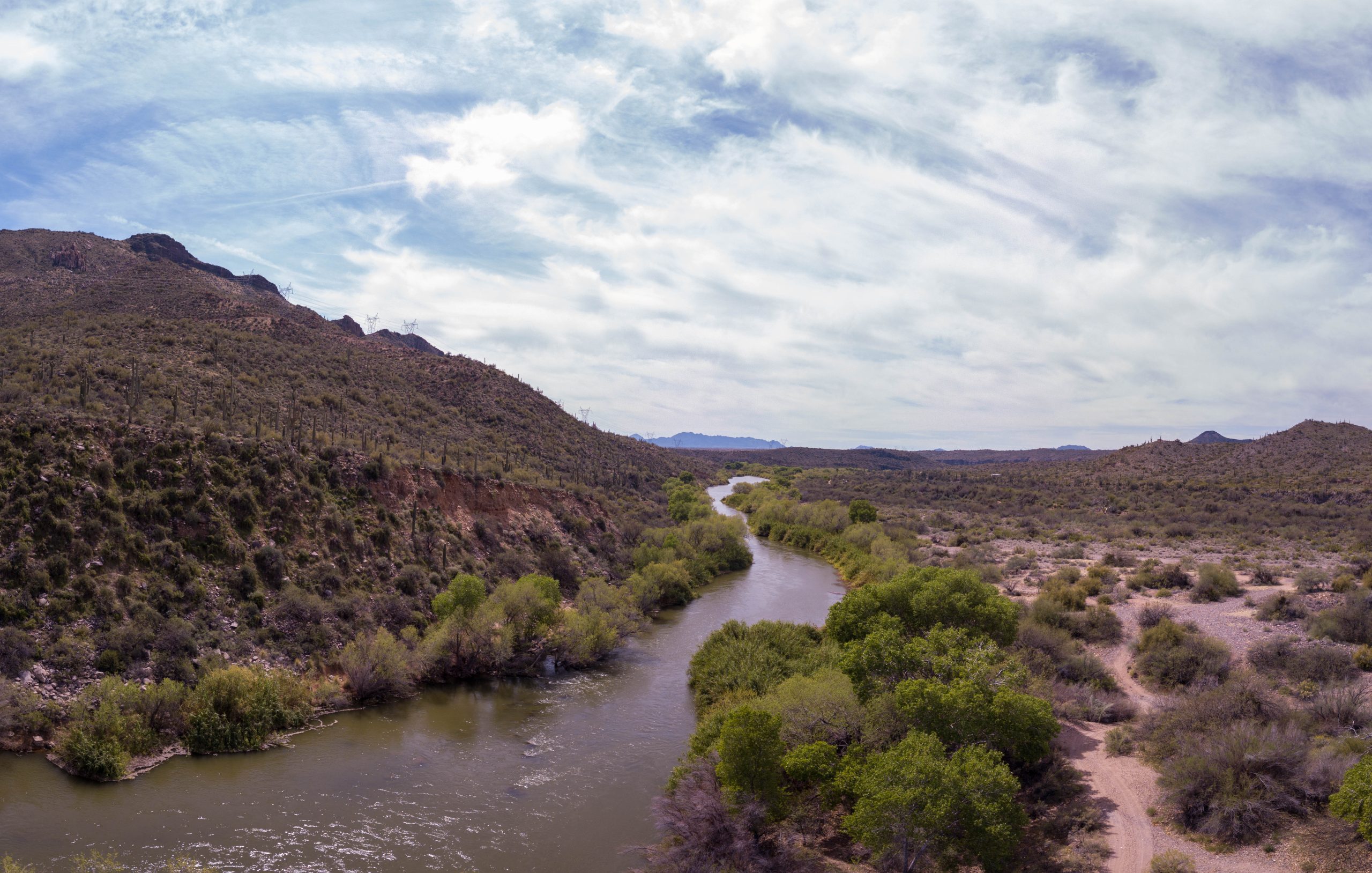
Supporters of the settlement emphasize its potential benefits for the Verde River, which holds cultural importance for the Yavapai-Apache Nation and supports recreation, agriculture, and tourism across the region.
By relying more on imported surface water, the Nation expects to lessen pressure on local aquifers and surface flows. Settlement documents also note that the infrastructure could create opportunities for nearby communities to benefit from the new delivery system over time.
In addition to water provisions, the legislation directs the United States Forest Service to transfer a 40-acre parcel of land within the Town of Camp Verde to the town for public safety and other municipal purposes.
Broad Bipartisan and Local Support.
The settlement legislation was introduced in the House by Representative Eli Crane in late December 2025 and in the Senate on January 13, 2026, by Senators Mark Kelly and Ruben Gallego. It has the backing of the Yavapai-Apache Nation, the State of Arizona, Salt River Project, and the City of Cottonwood, along with the towns of Camp Verde and Clarkdale.
Yavapai-Apache Nation Chairman Buddy Rocha, Jr. described the settlement as the culmination of decades of work and cooperation, saying it resolves long-pending claims while protecting the Verde River and local groundwater supplies.
With the legislation reintroduced, Congress now faces the task of determining whether to authorize the funding and formally ratify the agreement.