
- Bipartisan bill introduced February 11, 2026.
- Would streamline hydropower permits at federal water projects.
- Seeks to boost rural jobs and expand clean energy.
- Public input and legislative review will follow in Congress.
Friday, February 13, 2026 — A new bipartisan proposal in Congress could change how hydropower projects are approved across the West.
On Wednesday , Congresswoman Lauren Boebert of Colorado and Congressman Adam Gray of California introduced the Rural Jobs and Hydropower Expansion Act in Washington, D.C. The bill would formally authorize new hydropower development at facilities owned by the Bureau of Reclamation and streamline the permitting process for non-federal developers.
Hydropower plays a significant role in the West’s energy and water systems. Many irrigation districts, electric utilities, and rural communities depend on dams and canals originally built for water delivery that also generate electricity.
Why the Permitting System Is Under Scrutiny.
Under the current system, non-federal hydropower developers working at Reclamation facilities may need approvals from both the Bureau of Reclamation and the Federal Energy Regulatory Commission. That dual oversight can require two separate permit processes.
According to Rep. Boebert’s February 11 press release, nearly 70 non-federal projects have been subject to a dual permitting structure. Close to a dozen projects remain in development that require approvals from both agencies. Lawmakers supporting the bill argue that this split jurisdiction can lead to delays, higher costs, and uncertainty for project sponsors.
The proposed legislation would create what sponsors describe as a “one-stop shop” by granting the Bureau of Reclamation exclusive authority to issue permits for hydropower development at its facilities.
Congressman Gray said that the existing permitting system is “holding up Reclamation projects that our communities rely on” and said the bill would eliminate duplicative permitting while maintaining necessary protections.
Hydropower’s Role in the West.
Hydropower is often described as one of the most reliable and affordable forms of electricity in the region. Representative Boebert stated on February 11, 2026, that hydropower is “one of the cheapest, cleanest, and most reliable forms of energy we have,” particularly in Western states where rural communities depend on it for jobs and stable electricity.
The Bureau of Reclamation currently owns and operates 53 hydroelectric plants. It is the second-largest producer of hydropower in the United States. According to the February 11, 2026, press release, Reclamation facilities generate approximately 40,000 megawatt-hours of electricity, serving roughly 3.5 million homes.
In addition to energy production, many of these facilities were originally built for irrigation, flood control, and municipal water supply. That dual purpose means hydropower expansion often intersects with water management policy, storage operations, and river basin planning.
What the Bill Would Change.
The Rural Jobs and Hydropower Expansion Act would amend the Reclamation Project Act of 1939. The goal is to formally authorize hydropower development at all Reclamation facilities, including diversion dams and related infrastructure, where it is technically feasible.
If enacted, the bill would:
-
Allow non-federal entities to develop new hydropower at Reclamation sites with streamlined approval.
-
Shift permitting authority solely to the Bureau of Reclamation for those projects.
-
Remove the need for certain projects to obtain separate licenses from the Federal Energy Regulatory Commission.
Supporters argue that expanding hydropower could lower energy costs and create rural jobs. The press release notes that the hydropower industry supports nearly 8,000 jobs nationwide, many of them in rural communities.
Implications for Water and Energy Policy.
For Western states, hydropower development is closely tied to broader discussions about drought, reservoir levels, and long-term water storage. Dams that generate electricity also store and release water for agriculture, cities, and environmental purposes.
Changes to permitting authority could affect how quickly new generating capacity is added at existing facilities. At the same time, hydropower operations must continue to comply with environmental laws and water delivery obligations.
As the bill moves through Congress, committees will review its language, hear testimony from federal agencies, utilities, irrigation districts, and other stakeholders, and consider amendments.
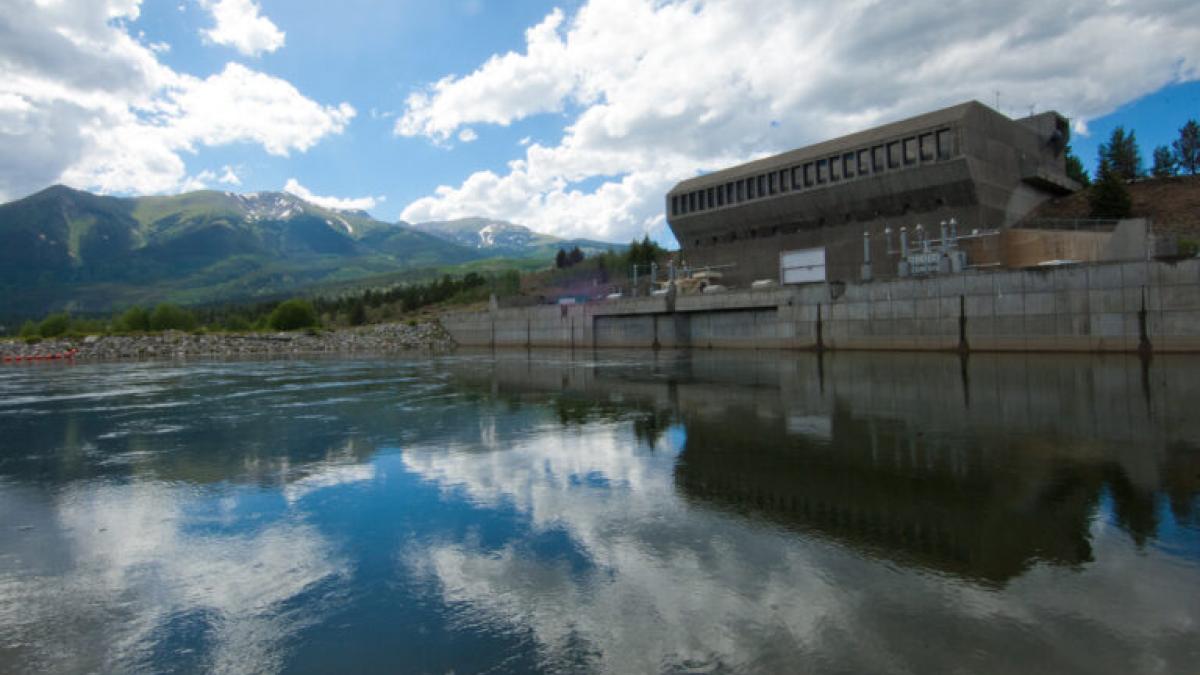
Pictured: Mount Elbert hydroelectric plant, via Rep. Boebert’s press release.
Q&A
What is the Rural Jobs and Hydropower Expansion Act?
It is a bipartisan bill introduced on February 11, 2026 that would streamline the permitting process for new hydropower development at Bureau of Reclamation facilities.
Why is permitting considered a problem?
Some projects currently require approvals from both the Bureau of Reclamation and the Federal Energy Regulatory Commission. Supporters of the bill say this dual process can cause delays and increase costs.
Does the bill eliminate environmental protections?
According to statements from bill sponsors on February 11, 2026, the legislation would remove duplicative permitting while maintaining necessary protections. The final scope would depend on the language adopted by Congress.
How much hydropower does the Bureau of Reclamation produce?
The Bureau operates 53 hydroelectric plants and generates approximately 40,000 megawatt-hours of electricity, supplying about 3.5 million homes, according to the February 11, 2026 press release.
What happens next?
The bill must move through congressional committees and be approved by both chambers before it can become law. Stakeholders should watch for committee hearings and public comment deadlines to ensure their voices are heard.