
- A proposed tribal water settlement carries an estimated federal cost of more than $5 billion.
- Federal officials support the goals but warn the cost remains a major concern.
- Tribal leaders say the agreement would bring drinking water and infrastructure to long-underserved communities.
- The legislation would settle decades of water disputes across northeastern Arizona.
Friday, March 13, 2026 — A major water settlement for northeastern Arizona tribes moved forward in Congress on March 11, 2026 , but the high cost of the proposal immediately became a central topic during a Senate hearing.
The legislation, known as the Northeastern Arizona Indian Water Rights Settlement Act (S. 953), seeks to resolve long-running water disputes involving the Navajo Nation, the Hopi Tribe, and the San Juan Southern Paiute Tribe. If approved, the settlement would confirm tribal water rights, fund new infrastructure, and resolve legal claims tied to the Colorado River system.
At the Senate Committee on Indian Affairs Oversight Hearing, supporters describe the proposal as a historic investment in clean drinking water and long-delayed tribal infrastructure. Federal officials, however, cautioned lawmakers that the overall price tag remains a serious concern.
The proposed settlement would require approximately $5.136 billion in mandatory federal funding to implement its provisions, including major infrastructure projects and tribal trust funds.
Water Access Still Limited in Many Tribal Communities.
One of the driving forces behind the legislation is the lack of reliable drinking water in parts of northeastern Arizona.
During the Senate Committee on Indian Affairs hearing on March 11, 2026, Arizona Senator Mark Kelly highlighted the challenges faced by many tribal households.
He noted that access to safe water remains a daily problem for many families in the region.
“Access to clean, reliable water shouldn’t be a question in the United States,” Kelly said during the hearing. “But it still is for far too many families in Northeastern Arizona.”
Conditions on the Navajo Nation illustrate the scale of the problem. Roughly one in three homes lacks running water, according to testimony presented to the committee.
The Navajo Nation covers about 27,000 square miles across Arizona, New Mexico, and Utah and serves more than 420,000 tribal members. Yet despite the region’s proximity to the Colorado River, many communities must still haul water long distances for household use.
Water hauling is often expensive and difficult. Some families must rely on livestock wells or other sources that may not meet federal drinking water standards.

Infrastructure Projects Drive Much of the Cost.
A large portion of the proposed funding would go toward building water infrastructure across the region.
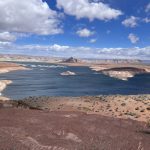
One of the largest projects is the iiná bá – paa tuwaqat’si pipeline, which would deliver Colorado River water from Lake Powell to Navajo, Hopi, and Paiute communities in northern Arizona.
The pipeline alone is estimated to cost about $1.7 billion to construct.
Under the proposal, the system would deliver drinking water to numerous tribal communities, including Tuba City, Cameron, Coppermine, and several Hopi villages.
Additional funding would support regional water systems, wells, treatment facilities, storage tanks, and pumping stations designed to expand access to clean water.
The settlement would also establish several tribal trust funds to finance water development projects.
These include:
- Approximately $2.876 billion for the Navajo Nation Water Settlement Trust Fund.
- About $515 million for the Hopi Tribe Water Settlement Trust Fund.
- Roughly $29.8 million for the San Juan Southern Paiute Tribe Water Settlement Trust Fund.
These funds would help tribes design, build, and maintain water systems and related infrastructure.
Federal Officials Warn About Settlement Cost.
While federal officials expressed support for negotiated tribal water settlements in general, they also raised concerns about the price of this particular proposal.
Scott Cameron, a senior official with the Department of the Interior and the Bureau of Reclamation, testified that negotiated settlements are usually preferable to years of courtroom battles.
Settlements can resolve long-standing water claims, provide certainty to other water users, and support economic development on tribal lands.
However, Cameron told lawmakers the cost of the northeastern Arizona settlement remains a significant issue.
While the Department supports the goals of S. 953 and recognizes the importance of delivering reliable drinking water to the Tribes, it has several concerns, including the cost of the settlement. The Department recognizes the Tribes’ efforts to address the risk of cost increases in S. 953. The Department is committed to working with the Tribes, the sponsors, and the Committee to identify opportunities to reduce the overall cost of this settlement. For instance, such opportunities could potentially include reevaluating the size and scope of the Pipeline, narrowing the authorized uses of the tribal trust funds, and finding other non-financial means of contributing towards this settlement. [Cameron testimony
]
The Department of the Interior noted that more than $13 billion in tribal water settlements are currently pending before Congress, making federal cost considerations especially important.
Federal officials said they plan to continue working with tribes and lawmakers to explore ways to reduce the overall price of the settlement.
Possible options discussed include reevaluating the size of major infrastructure projects or adjusting how certain funds could be used.

Settlement Would Also Resolve Long-Standing Legal Claims.
Beyond infrastructure, the legislation would settle decades of litigation involving water rights in the Little Colorado River adjudication, one of the largest water rights cases in the West.
If approved by Congress, the settlement would confirm water rights for the three tribes and settle numerous claims involving rivers, tributaries, springs, and groundwater sources.
In return for federal funding and other benefits, the tribes would waive certain legal claims against the United States and other parties regarding water rights and related issues.
Tribal leaders say the agreement reflects years of negotiations among tribes, the State of Arizona, and many other stakeholders.
The settlement also includes provisions intended to support the broader Colorado River system.
For example, tribes have proposed contributing water to a conservation pool at Lake Powell that could help stabilize reservoir levels during drought.
A Homeland and Water for the Paiute Tribe.
For the San Juan Southern Paiute Tribe, the legislation includes another major milestone.
The bill would ratify a long-standing treaty and establish the tribe’s first permanent reservation.
According to testimony from Vice President Johnny Lehi Jr., the tribe is currently the only federally recognized tribe in Arizona without an exclusive reservation.
Many Paiute families live in crowded housing without reliable utilities, including water and electricity.
The legislation would establish a reservation near Tuba City and provide up to 350 acre-feet of water per year, along with funding for infrastructure needed to support the community.
Lehi told lawmakers the settlement would finally allow the tribe to build homes, services, and community facilities on land of its own.
Legislation Still Early in the Process.
The bill, Senate Bill 953, was introduced in 2025 and remains in the early stages of the legislative process.
On March 11, 2026, the Senate Committee on Indian Affairs held a hearing to review the proposal and receive testimony from federal officials and tribal leaders.
Lawmakers will now continue evaluating the proposal as it moves through the committee process.
Supporters say the settlement could finally bring reliable water to tens of thousands of tribal residents in northeastern Arizona.
But with more than $5 billion in federal funding at stake, the agreement’s cost is expected to remain a key issue as Congress debates the legislation.