
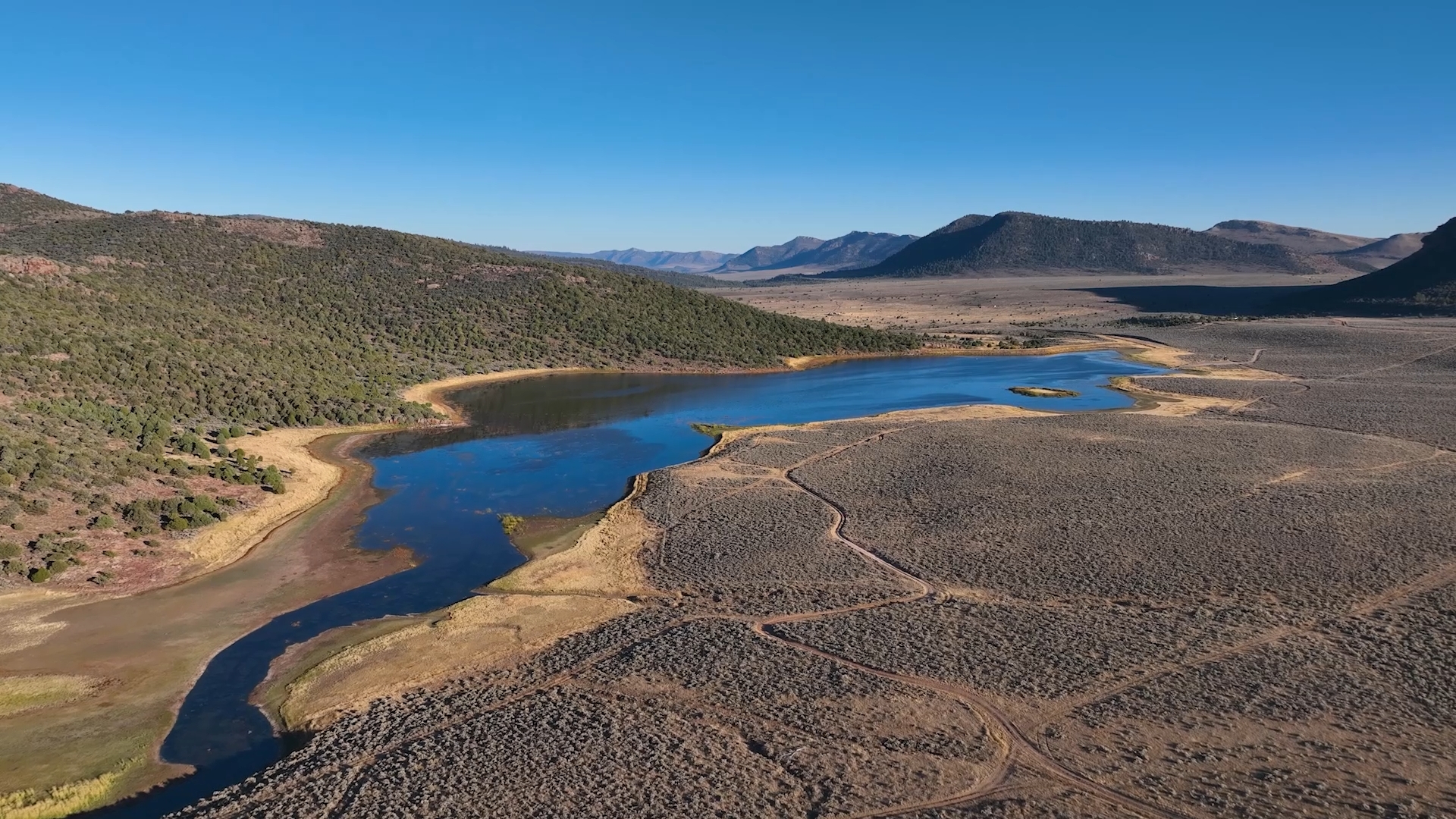
- Utah increased fishing limits at two reservoirs because of drought and falling water levels.
- Low snowpack and warmer water are putting stress on trout populations.
- Some boat ramps and fishing access points could become unusable later this summer.
- Wildlife officials are changing fish stocking plans to deal with hotter conditions.
- Anglers are being encouraged to fish during cooler parts of the day.
Friday, May 15, 2026 — Utah wildlife officials are warning that severe drought conditions and extremely low snowpack are already affecting fishing across parts of the state, leading to emergency rule changes at two reservoirs and broader concerns about fish survival heading into summer.
On May 12, 2026, the Utah Division of Wildlife Resources announced emergency changes increasing daily fishing limits at Crouse Reservoir in Uintah County and Nine Mile Reservoir in Sanpete County because shrinking water levels are threatening fish populations.
The daily limit at Crouse Reservoir was temporarily raised to eight trout of any species through Dec. 31, while Nine Mile Reservoir now allows anglers to keep up to 16 trout through Oct. 1.
Utah Division of Wildlife Resources Director Riley Peck said the changes are intended to prevent fish from dying as water conditions continue to worsen during the summer months.
“With the drought-related low water levels at Crouse Reservoir and Nine Mile Reservoir, we want anglers to be able to harvest these fish so they can be used and not wasted as water levels continue to decline throughout the summer,” Peck said.
Officials also said the increased harvest may help the remaining fish survive by reducing crowding and stress in shrinking reservoirs.
Why Drought Hurts Fish.
The emergency changes come as Utah faces one of its driest years in recent memory. State wildlife officials warned in a separate May 7, 2026 update that record-low snowpack is creating serious challenges for lakes, reservoirs, rivers, and streams across the state.
According to Utah Division of Wildlife Resources Sportfish Coordinator Trina Hedrick, drought creates a chain reaction that becomes dangerous for fish, especially trout.
As reservoirs shrink, the remaining water heats up faster. Warmer water also contains less oxygen. Together, those conditions can weaken fish, slow growth, spread disease, and eventually lead to fish deaths.
“Warm water also holds less oxygen than colder water,” Hedrick explained. “The combination of high temperatures and low oxygen can stress many coldwater fish species like trout.”
Mid-elevation trout fisheries in southern Utah are expected to face some of the worst impacts this year, although officials said nearly all fish species can be affected when water levels fall too low.
Boating and Fishing Access Could Change.
The drought is also expected to create problems for anglers trying to access popular lakes and reservoirs. Wildlife officials warned that some boat ramps may become unusable later this summer if water continues dropping.
At Flaming Gorge Reservoir, anglers are also being advised to monitor changing conditions closely. Up to one million acre-feet of water is being released from Flaming Gorge to Lake Powell between now and April 2027 to help stabilize critically low water levels at Lake Powell.
Those releases could affect boating access, reservoir elevations, and fishing conditions along parts of the Green River system.
Officials are also changing how fish are stocked around the state in response to the drought. Some reservoirs expected to suffer major losses may receive fewer fish this year, while hardier warmwater species may be stocked more heavily in certain locations.
Species such as channel catfish, walleye, and wipers tolerate warmer water better than trout and may become more common in some Utah fisheries as temperatures rise.
Tips for Anglers During a Drought Year.
Wildlife officials are also encouraging anglers to take extra precautions when practicing catch-and-release fishing during hot weather.
Fishing during cooler morning and evening hours, avoiding shallow stagnant coves, minimizing handling time, and using rubber nets can all help reduce stress on fish during drought conditions.
State officials said anglers may also need to adapt this year by trying different fishing spots and techniques than they have used in wetter years.
“Fishing may not be the same this year in some areas,” Hedrick said. “Fish may be found in different locations throughout a waterbody than usual.”
Pictured: Crouse Reservoir, via the Utah Division of Wildlife Resources announcement.