Snowpack matters because it feeds the river. This year, it reached the lowest level on record. At the same time, unusually hot weather in March accelerated melting and drying. Together, these conditions have created a serious situation for water supplies and hydropower across the West.
The Colorado River supports more than 40 million people, along with farms, cities, and power systems. When water levels drop too far, the impacts can ripple quickly.
Lake Powell Near a Critical Line.
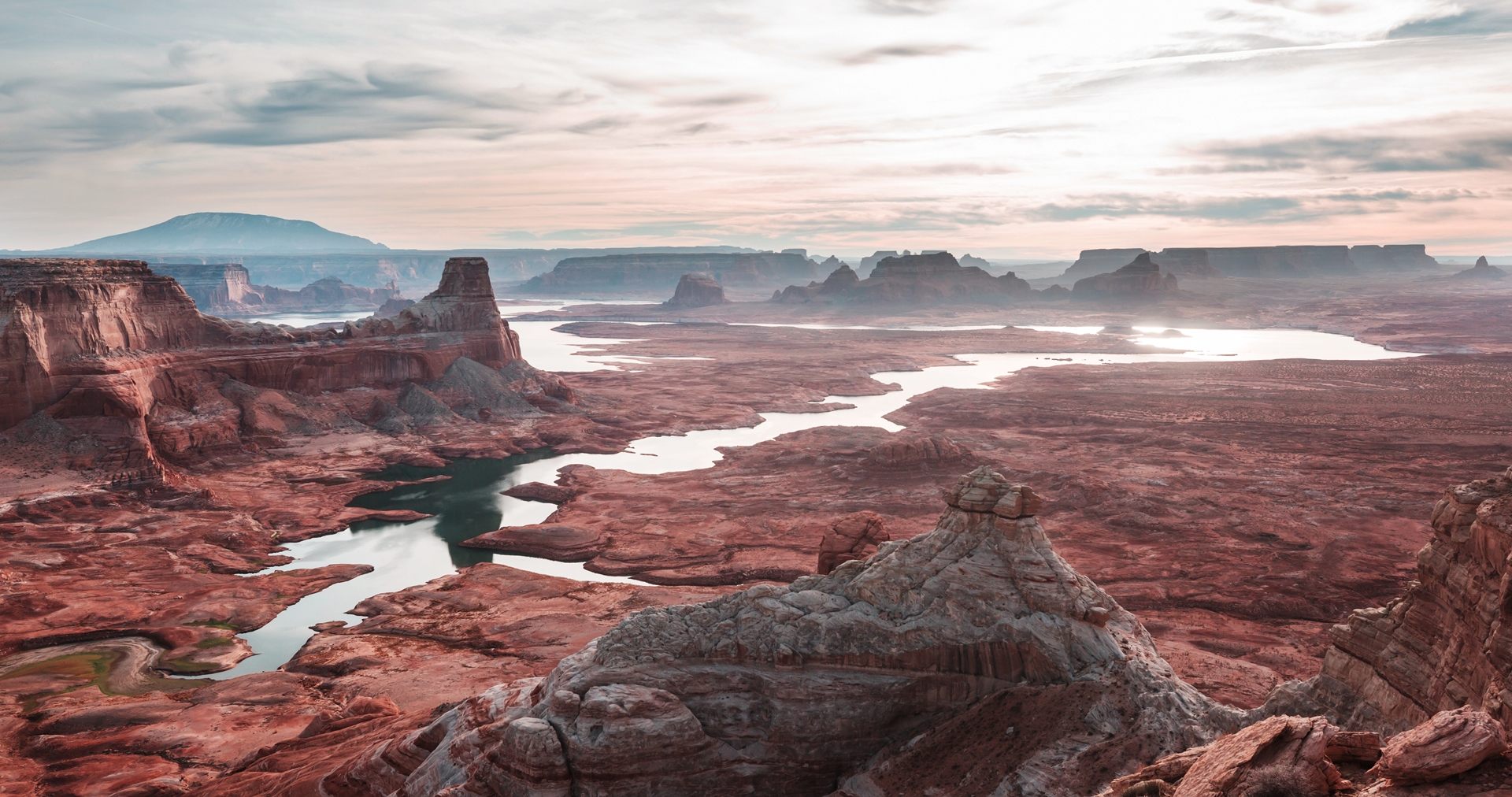
Lake Powell is one of the system’s key reservoirs. It sits behind Glen Canyon Dam and helps regulate water deliveries downstream.
According to federal projections , inflow into Lake Powell this year could be as low as 2.78 million acre-feet. That is about 29 percent of the historical average.
Detailed modeling from the April 2026 24-Month Study shows how serious the decline could be. By late summer 2026, Lake Powell’s elevation is projected to drop near 3,490 feet.
That number matters. It marks the minimum level needed to generate hydropower at Glen Canyon Dam. If water falls below that point, electricity production could stop, and water would have to be released through lower outlets instead. This could create uncertainty for downstream users and reduce power supply across the region.
Emergency Water Moves Planned.
To prevent that outcome, federal officials are preparing a series of emergency steps.
One major action involves moving water from Flaming Gorge Reservoir downstream into Lake Powell. Between April 2026 and April 2027, as much as 660,000 to 1 million acre-feet could be released.
At the same time, less water will be sent from Lake Powell to Lake Mead. Annual releases are expected to drop from 7.48 million acre-feet to about 6 million acre-feet through September 2026.
Together, these actions could raise Lake Powell by roughly 54 feet by spring 2027, helping keep it above critical levels.
Trade-offs Across the Basin.
These emergency steps come with consequences.
Holding back water in Lake Powell means less water flowing into Lake Mead. That could accelerate declines there and reduce hydropower at Hoover Dam by as much as 40 percent later in 2026.
The effects may also reach recreation. Lower reservoir levels can limit boat access, while reduced river flows can affect rafting and fishing conditions in places like the Grand Canyon.
Federal officials noted that no changes are planned for certain upstream reservoirs, including Blue Mesa and Navajo, because those systems are already low.
A Critical Moment for the Future.
The situation is unfolding at a time when current operating agreements for the Colorado River are set to expire at the end of 2026. The seven basin states have not yet agreed on a new plan for how to share water moving forward.
That adds another layer of uncertainty. If states cannot reach an agreement, federal officials may step in to set new rules for river operations.
For now, the focus remains on immediate action. The combination of record-low snowpack, extreme heat, and long-term drought has forced difficult decisions, with more likely ahead as the region prepares for 2027 and beyond.

 Friday that the Colorado River system is under intense strain after years of drought. Storage across the system has dropped to roughly 36 percent of capacity, a level that reflects both long-term dry conditions and a winter that failed to deliver enough snow.
100%. The drought is impacting other areas of the country, too. This is serious, five-alarm stuff.