
- EPA launched a new national water reuse plan on April 16, 2026.
- The plan focuses on industry, technology, and energy sectors.
- Officials say recycled water can reduce strain on freshwater supplies.
- States will lead implementation with federal support, not mandates.
Friday, April 17, 2026 — The U.S. Environmental Protection Agency (EPA) announced yesterday a major update to its national water reuse strateg y. The new plan, called Water Reuse Action Plan 2.0, builds on earlier efforts to turn treated wastewater into a reliable source of clean water for communities, farms, and industry.
Water reuse is not a new idea, but federal officials say the need has grown. Population increases, industrial demand, and pressure on rivers and aquifers are forcing communities to look for new water sources. Reusing water that has already been treated is one way to stretch limited supplies.
Turning Wastewater Into a Resource.
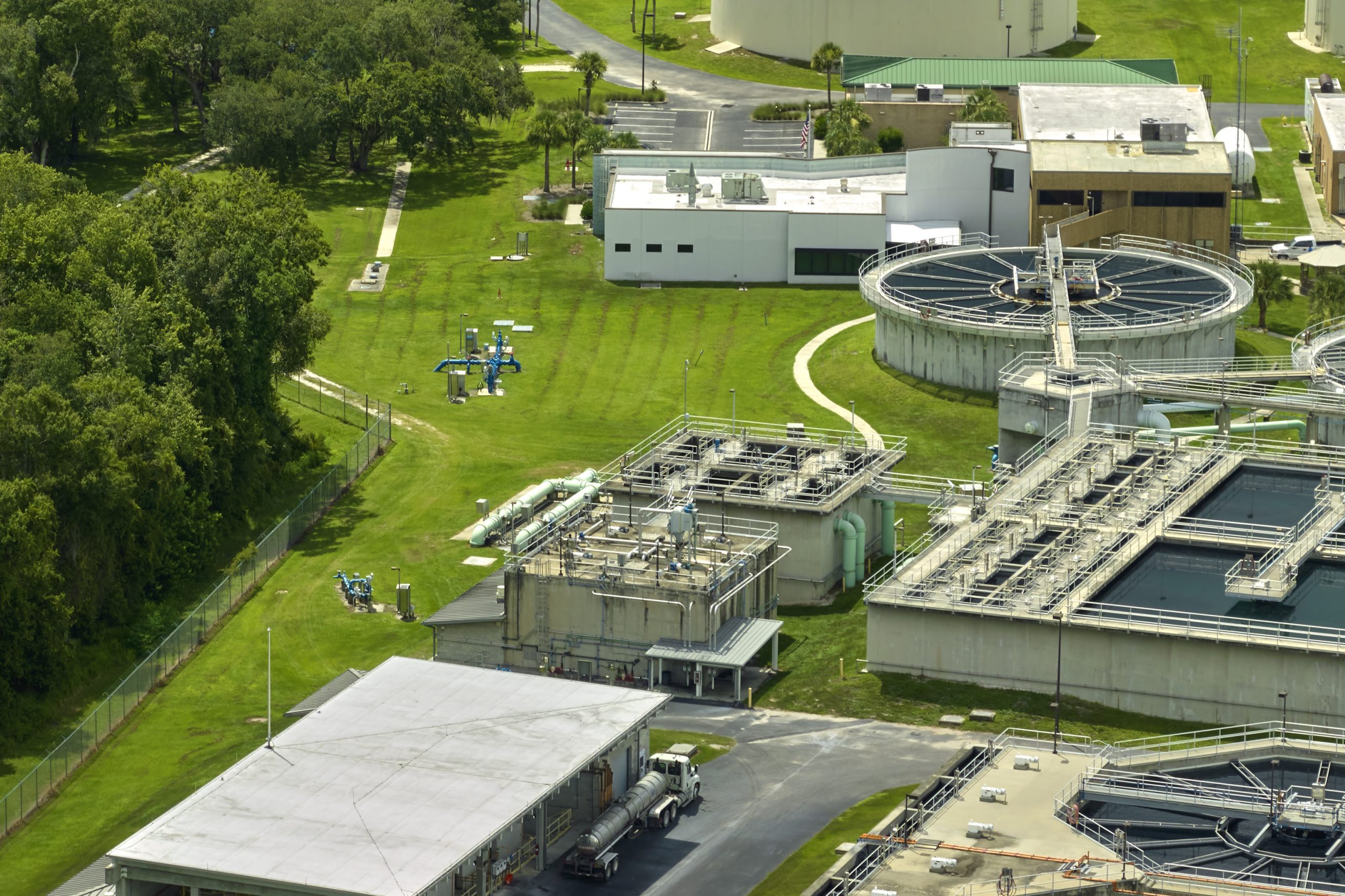
The basic concept is simple. Wastewater from homes, businesses, and factories is treated, cleaned, and then used again. In some cases, it is used for irrigation or industrial processes. In others, it may be stored underground for future drinking water supplies.
Modern treatment systems can remove contaminants down to very small levels. According to the agency, these systems can even clean water at the molecular level. That means recycled water can be safe for many uses when properly treated.
Officials also point out another benefit. When water is reused instead of discharged, fewer pollutants enter rivers and lakes.
Focus on Industry, Technology, and Energy.
The updated plan highlights three major areas where water reuse could expand quickly.
First is domestic industry. Manufacturing sectors such as food processing, automotive production, and agriculture all depend on steady water supplies. Recycled water can help keep operations running during shortages.
Second is the technology sector. Data centers and microchip manufacturing require large amounts of water, especially for cooling. As demand for artificial intelligence and computing grows, so does the need for reliable water.
Third is energy production. Power plants and energy development projects often need water for cooling and operations. Reuse could help lower costs and reduce pressure on natural water sources.
States Take the Lead.
One key detail is that the plan is not a federal mandate. Instead, it relies on cooperation between federal agencies, states, tribes, and industry.
Federal officials say local leaders are in the best position to decide how water reuse fits their needs. The EPA plans to provide technical support, research, and coordination, while states handle permitting and implementation.
This approach follows existing laws such as the Clean Water Act and the Safe Drinking Water Act, which already guide how water is treated and used.
New Tools and Funding Opportunities.
The plan also outlines practical steps to expand reuse. These include developing tools to map where recycled water could be used, sharing best practices for industries, and supporting rural communities with funding programs.
For example, federal agencies plan to help rural areas access loans and grants for water infrastructure projects, including reuse systems.
A Growing Strategy for the Future.
Water reuse has been discussed for years, but the scale is changing. Since the first national plan launched in 2020, partnerships have expanded, and more projects have moved forward.
Now, with rising demand from industry and technology, federal officials see reuse as part of a broader strategy to secure water supplies.
The updated plan lays out a path for the next decade, focusing on collaboration and practical use rather than new regulations. Whether it succeeds will likely depend on how quickly states, communities, and industries adopt the approach.