
- Peak snowmelt runoff has already passed in Utah.
- Smaller reservoirs are under increasing strain.
- Streamflow is expected at about half of normal levels.
- State leaders are urging local drought planning and possible declarations.
Friday, April 24, 2026 — Utah is entering the heart of spring with a troubling shift in its water cycle. In a typical year, snowmelt runoff would just be beginning to refill reservoirs across the state. In 2026, that critical period has already come and gone.
State officials reported on April 23, 2026 , that record-low snowpack combined with unusually high temperatures caused runoff to peak early. This means less water is available moving forward into the hotter months, when demand rises and natural supplies decline.
A Statewide Drought Picture.
Drought conditions now cover the entire state. Every region is experiencing some level of dryness, with more than half of Utah classified under extreme drought conditions. This widespread impact is shaping decisions at both the state and local levels.
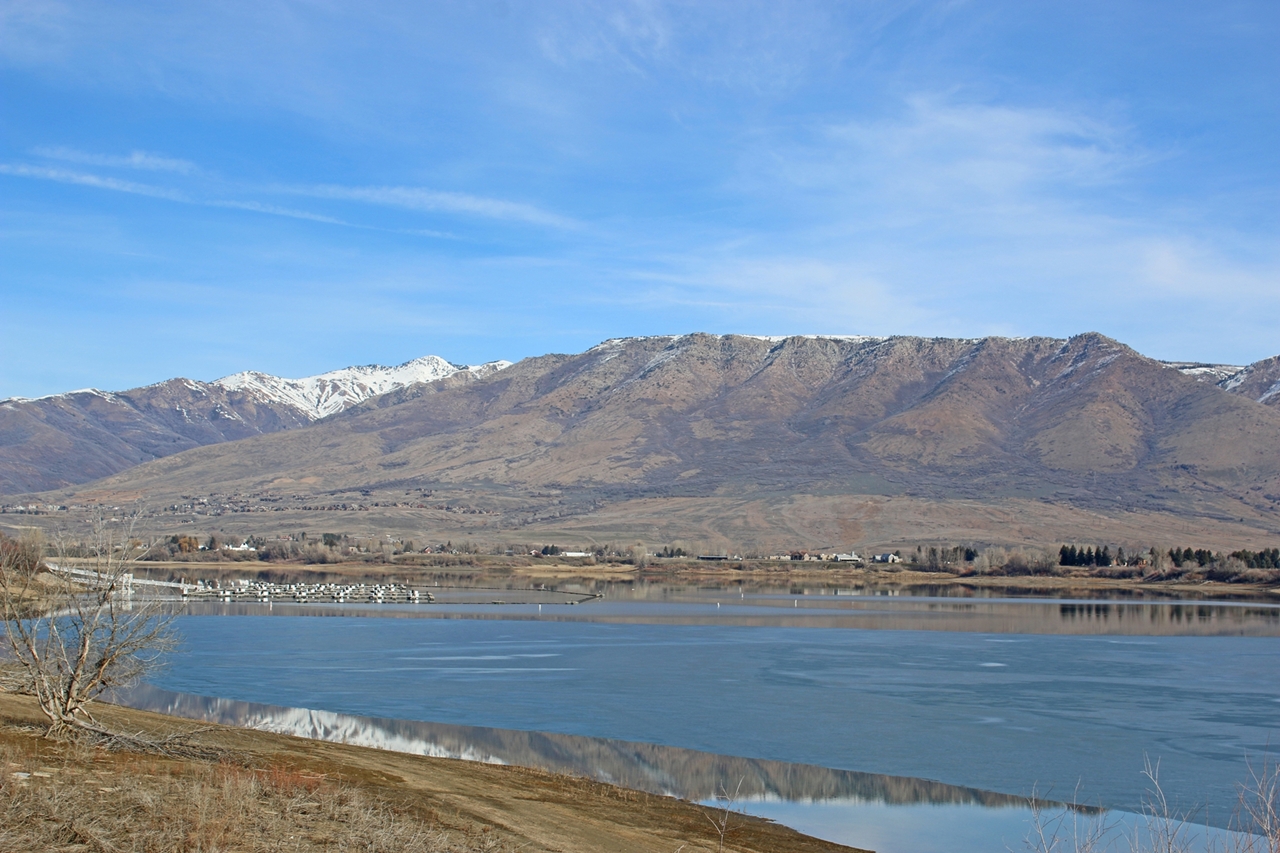
Reservoir storage offers a mixed picture. Overall levels are about 72 percent full, slightly above the typical level for this time of year. However, that number hides a growing divide. Larger reservoirs, which can store several years of water, remain relatively stable. Smaller systems, which rely on more immediate runoff, are struggling to keep up.
Water Supply Under Pressure.
The outlook for water supply remains tight. Officials expect statewide streamflow to reach only about 50 percent of normal levels this year. Even more concerning, natural inflows into Lake Powell from the Colorado River are projected at just 40 percent of average.
That decline is significant for the broader Colorado River Basin, where Lake Powell plays a key role in water storage and distribution. To help protect critical water levels, Utah joined Wyoming, Colorado, and New Mexico in approving releases from Flaming Gorge Reservoir. Between 660,000 and 1 million acre-feet of water may be sent downstream between spring 2026 and April 2027.
Local Decisions Take Center Stage.
State leaders are encouraging counties and water providers to act early. During a recent meeting with local officials, the Utah Department of Natural Resources emphasized the need to review drought contingency plans and consider whether local drought declarations are necessary.
Joel Ferry, executive director of the department, noted that while the state provides guidance and data, decisions about restrictions and water management are made locally. This approach allows communities to respond based on their specific conditions.
A statewide drought declaration remains possible. The Drought Response Committee is actively monitoring conditions and could recommend action to Governor Spencer Cox if the situation worsens.
Snowpack Collapse Drives the Crisis.
The root of the problem lies in the mountains. According to the April 1 Water Supply Outlook Report, every major basin in Utah recorded historically low snowpack levels. In some areas, snow had nearly disappeared by early spring.
Snowpack acts as a natural reservoir, slowly releasing water as temperatures rise. When that system breaks down, as it has this year, the entire water supply chain feels the impact.
Efforts to Stretch Every Drop.
State agencies continue to promote water-saving efforts to help residents and farmers adapt. Programs like the Agricultural Water Optimization Program aim to improve irrigation efficiency, while public campaigns such as Slow The Flow encourage everyday conservation.
These efforts are becoming increasingly important as Utah faces not just a single dry year, but a pattern of shifting conditions that demand long-term adjustment.
As the state moves into summer, the message from officials is clear. The water that would normally carry Utah through the season has already passed downstream. What remains will need to be managed carefully in the months ahead.

 wpDiscuz