
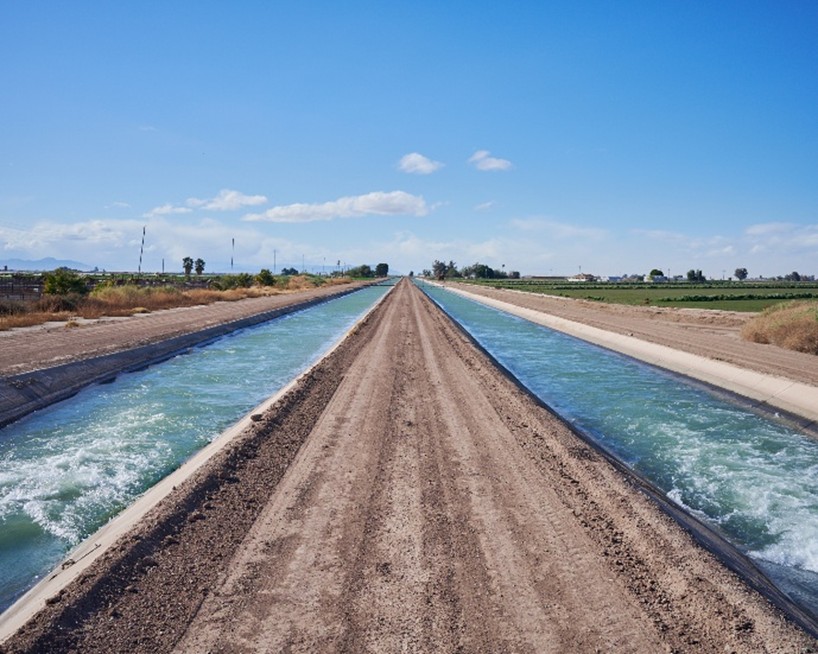
- Imperial Irrigation District approved up to 100,000 additional acre-feet of conservation for 2026.
- Conserved water is expected to remain in Lake Mead to help stabilize reservoir levels.
- Imperial Valley farmers are participating through voluntary irrigation reduction programs.
- Officials say the effort is intended to protect both agriculture and long-term water reliability.
Saturday, May 16, 2026 — The fight over the future of the Colorado River continues to intensify across the West, but in Southern California’s Imperial Valley, local farmers and water officials are moving ahead with another large conservation effort intended to help stabilize Lake Mead.
On May 15, 2026, the Imperial Irrigation District approved an amendment to its existing conservation agreement with the U.S. Bureau of Reclamation that could create up to 100,000 acre-feet of additional Colorado River savings during 2026. An acre-foot is enough water to supply roughly two to three households for a year.
According to the district, the conserved water will remain in Lake Mead to help support reservoir elevations at a time when the Colorado River system remains under heavy drought pressure and reduced runoff forecasts. The move comes as western states and federal officials continue debating long-term operating rules for the river system.
Lake Mead Stabilization Effort.
The conservation effort expands an existing three-year agreement between the irrigation district and the federal government. District officials said the program’s total conservation capacity will now rise from 700,000 acre-feet to 800,000 acre-feet, not including more than 106,000 acre-feet previously conserved in 2023.
Imperial Irrigation District officials stated that the combined conservation efforts are expected to raise Lake Mead’s elevation by about 12 feet by the end of 2026. Lake Mead is the nation’s largest reservoir and serves as a critical water source for millions of people across the Southwest.
Farmers Paid to Reduce Water Use.
Most of the new savings are expected to come from the district’s voluntary Deficit Irrigation Program. Under that program, farmers are compensated for temporarily reducing irrigation on certain forage crops during the hottest parts of summer when water demand is highest. Some additional savings are also expected through voluntary on-farm efficiency projects.
The Imperial Valley occupies a unique position in the Colorado River system because the region holds some of the most senior water rights on the river. Despite those senior rights, district leaders said local growers have continued participating in voluntary conservation programs because the Colorado River remains the valley’s only major water supply.
Agriculture and Water Security.
Since 2003, the district says its conservation and efficiency programs have generated more than 9.1 million acre-feet of conserved water while maintaining one of the country’s most productive agricultural regions. Imperial Valley agriculture supplies a significant portion of the nation’s winter vegetables.
“Imperial Valley farmers continue leading in Colorado River solutions,” Imperial Irrigation District Board Chairwoman Karin Eugenio said in a statement released May 15, 2026. She added that local growers have conserved more water than any other individual Colorado River contractor while continuing to support the regional economy and national food production.
District General Manager Jamie Asbury said the agreement demonstrates how voluntary conservation programs can help stabilize the river system while also protecting agricultural communities and water rights.
Salton Sea Concerns Remain.
The district also reiterated support for broader Lower Basin conservation discussions now underway among Arizona, California, and Nevada. However, local officials emphasized that future conservation efforts must also address ongoing environmental and public health concerns surrounding the Salton Sea.
Pictured: One of the Imperial Valley Irrigation District canals, via the District’s press release.