- All of Utah remains in some form of drought.
- Utah reservoirs are averaging just 52 percent full.
- Several major rivers are delivering only a fraction of normal water rights.
- More than 1,000 wildfires have burned across Utah in 2026.
- Drought is also being linked to more encounters between bears and people.
Friday, August 28, 2026 —Recent monsoon storms have brought some welcome rain to Utah, but state water officials say the moisture is not nearly enough to end the state’s drought.
In an August 27 drought update , the Utah Division of Water Resources reported that 100 percent of the state remains in some form of drought. Reservoirs are averaging 52 percent full, while rivers and streams in several parts of the state continue to struggle.
The rain has helped in some places by temporarily increasing streamflows and reducing demand on stored water. But reservoirs and lakes are still expected to decline until the irrigation season ends in October.
“Our reservoirs, lakes and streams are really struggling this year,” Division of Water Resources Director Joel Williams said. “Utahns must continue efforts to protect our water supply, as every drop saved today adds to our collective resilience.”
Reservoirs Continue to Lose Water.
Utah’s reservoirs are averaging 52 percent full.
That is 15 percent below normal for late August and 18 percent lower than at the same time in 2025.
Low reservoir levels are beginning to affect recreation and water supplies.
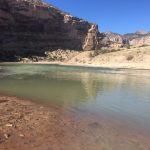
At Fred Hayes State Park at Starvation, falling water levels are exposing new terrain and creating boating hazards. The boat ramp remains open but requires constant attention.
State officials warned that when reservoirs fall far enough, parks sometimes must close boat ramps to protect visitors and their property.
Harmful algal blooms are also occurring around the state, prompting officials to encourage residents and visitors to check current water advisories before entering affected waters.
Utah’s Rivers Show the Strain.
Conditions vary considerably from one river basin to another, but the state’s August 27 report shows how drought is affecting water available to users with direct-flow water rights.
The Bear River had a natural flow of 396 cubic feet per second, providing about 28 percent of direct-flow water rights. State officials said conditions there were similar to the 2020 water year. Better snowpack, summer storms and releases of stored water have helped maintain flows.
The Upper Provo River was flowing naturally at 50 cubic feet per second, enough to provide about 16.2 percent of direct-flow water rights. Monsoon storms temporarily increased flows, but drought conditions continued.
The Upper Duchesne River had a natural flow of 233 cubic feet per second, providing about 18.4 percent of direct-flow water rights. Flows remained below those experienced during average and wet years and had steadily declined through the summer.
Conditions were particularly difficult on the Upper Sevier River. Natural flow there was 49 cubic feet per second, providing about 9.3 percent of first-class direct-flow water rights. According to the state, flows were less than half those recorded during the 2021 drought year.
Differences among the river basins reflect several factors, including snowpack, summer rainfall, and releases from reservoirs.
Monsoon Rain Brings Relief and New Risks.
Summer monsoon storms can create an unusual combination of conditions.
Rain can temporarily boost rivers and reduce the amount of water needed from reservoirs. At the same time, intense storms can create dangerous flash flooding.
State officials are urging people traveling or recreating outdoors to watch changing weather conditions and be prepared for flooding.
The storms also have not erased the effects of Utah’s dry year. State officials expect lakes and reservoirs to continue falling for several more weeks.
More Than 1,000 Wildfires Reported.
The drought update also shows the scale of Utah’s 2026 wildfire season.
As of August 27, 1,028 wildfires had burned more than 553,150 acres across the state.
Three of the fires rank among the 10 largest wildfires in Utah history.
The Cottonwood Fire burned 96,181 acres. The Babylon Fire burned 102,854 acres. The Widemouth 2 Fire burned 129,742 acres.
More than 200 structures have been lost statewide.
The fire season has also taken a deadly toll. Four federal wildland firefighters died on the Snyder Fire, while two pilots supporting the Widemouth 2 Fire also died.
State officials said wildfire activity remains significant and conditions can change quickly.
Bear Incidents Have Doubled.
The effects of drought are also showing up in Utah’s wildlife response numbers.
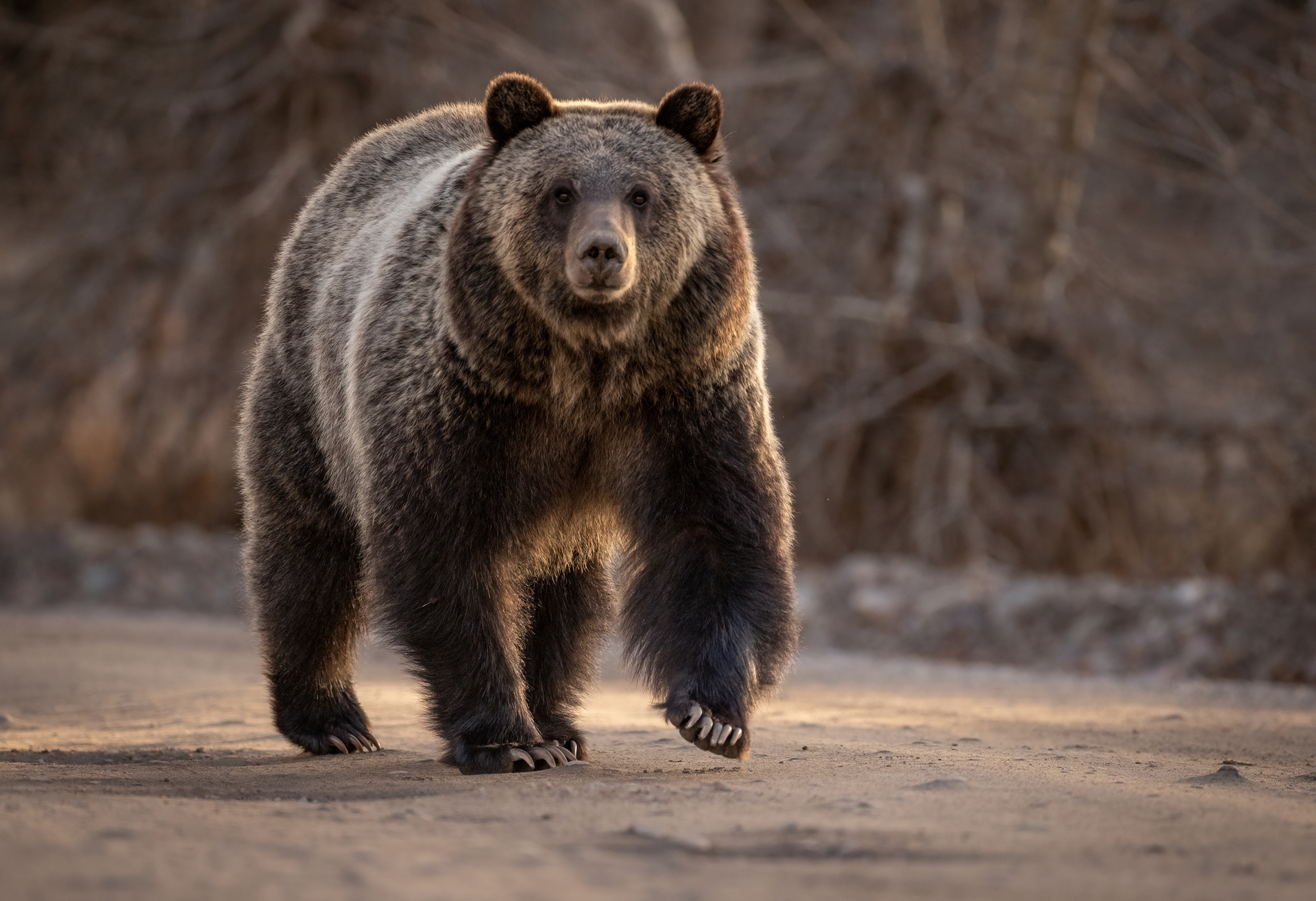
The Utah Division of Wildlife Resources reported that bear incidents requiring a response have doubled compared with 2025.
As of August 25, wildlife biologists and other law enforcement agencies had responded 168 times to bear-related problems across Utah. During all of 2025, the Division of Wildlife Resources responded 83 times.
State wildlife officials said several factors are contributing to the increase, including the continuing severe drought.
Conservation Remains a State Priority.
With reservoirs expected to keep declining until irrigation season ends, Utah continues to encourage water conservation by both agricultural and residential users.
The state’s Agricultural Water Optimization Program works with farmers on water-saving practices. Utah also continues its Slow the Flow conservation program for residents.
For now, the late-summer rains have provided some relief, but the state’s August 27 assessment remains clear: Utah’s reservoirs, rivers and streams are still feeling the effects of a difficult drought year.