- Tests found PFAS in 43 of 116 sampled wells.
- La Cieneguilla had 26 wells test positive.
- La Cienega had 17 wells test positive.
- Officials are studying how far the contamination has spread.
- A new public water supply is being explored for La Cieneguilla.
Wednesday, September 23, 2026 — New testing has found “forever chemicals” in 43 private wells in the La Cieneguilla and La Cienega communities of Santa Fe County, according to results announced by the county. The New Mexico Environment Department sampled 116 wells, finding PFAS contamination in 26 wells in La Cieneguilla and 17 in La Cienega. The chemicals were first detected in groundwater near the Army National Guard Aviation Support Facility by the Santa Fe Regional Airport in 2023, prompting additional testing in nearby communities. PFAS can build up in the human body, and exposure has been linked to several health concerns, although scientists continue to study their effects. With the aquifer beneath La Cieneguilla contaminated, the nonprofit La Cieneguilla Water Company has secured federal funding to investigate options for a new public water supply. State officials previously provided free water filters to affected residents. Santa Fe County Utilities Division Director Travis Soderquist said officials are now trying to determine the extent and concentration of the contamination, whether it is moving through the groundwater, and whether contaminants are continuing to enter the aquifer.
Details are reported by Source New Mexico ‘s Matthew Mondschein. His article and the image are reposted here under the Creative Commons license CC BY-NC-ND 4.0 license.
PFAS found in 43 water wells in La Cienega and La Cieneguilla communities, new tests show
by Matthew Mondschein, Source New Mexico
September 22, 2026
A total of 43 wells in the La Cienega and La Cieneguilla communities in Santa Fe County showed ‘forever chemical’ contamination in recent tests, Santa Fe County announced on Monday.
The well testing, which the New Mexico Environment Department undertook, follows a data-sharing agreement the state and county made earlier this year, which “gives opportunities for interaction between our scientists so they can learn from each other in real time,” NMED Special Project Coordinator Andrew Hautzinger said in a statement accompanying the news release announcing the test results. “This gives us the awareness of who is doing what, why they are doing it, and how we can learn together as we move forward.”
Per- and polyfluoroalkyl chemicals, or PFAS, were first found in the groundwater near the Army National Guard Aviation Support Facility by the Santa Fe Regional Airport in 2023. When the county subsequently tested wells in nearby La Cienega and La Cieneguilla, several wells were found to be contaminated.
Exposure through contaminated water and soil, as well as through the plants and animals, cause PFAS to build up in the human body. While still being studied, PFAS exposure is linked to increased cancer risks, fertility issues, low birth weights or fetal development issues and hormonal imbalances.
In the most recent round of testing, the state environment department found that of the 116 recently sampled wells in La Cieneguilla and La Cienega combined, 26 wells in Cieneguilla tested positive for PFAS contamination, as did 17 wells in La Cienega.
With the aquifer below La Cieneguilla contaminated with PFAS, the news release said, a new public water supply for community members is being prospected by La Cieneguilla Water Company, a not-for-profit company that secured federal funds to assess potential options.
NMED also provided free water filters for those affected by the contamination last November, a month after the department announced that approximately 100 homes in Curry County would be receiving a new water source due to PFAS water contamination from nearby Cannon Air Force Base.
Santa Fe County Utilities Division Director Travis Soderquist said in a statement Monday the new data will help inform the county’s next steps.
“We are trying to get a grasp on the extent and concentration of the contamination and how far it has spread throughout the community,” he said. “We want to know if the contamination is moving, if it’s stationary, or if there’s a continuous introduction of contaminants into the groundwater.”
Source New Mexico is part of States Newsroom, a nonprofit news network supported by grants and a coalition of donors as a 501c(3) public charity. Source New Mexico maintains editorial independence. Contact Editor Julia Goldberg for questions: info@sourcenm.com.
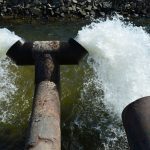
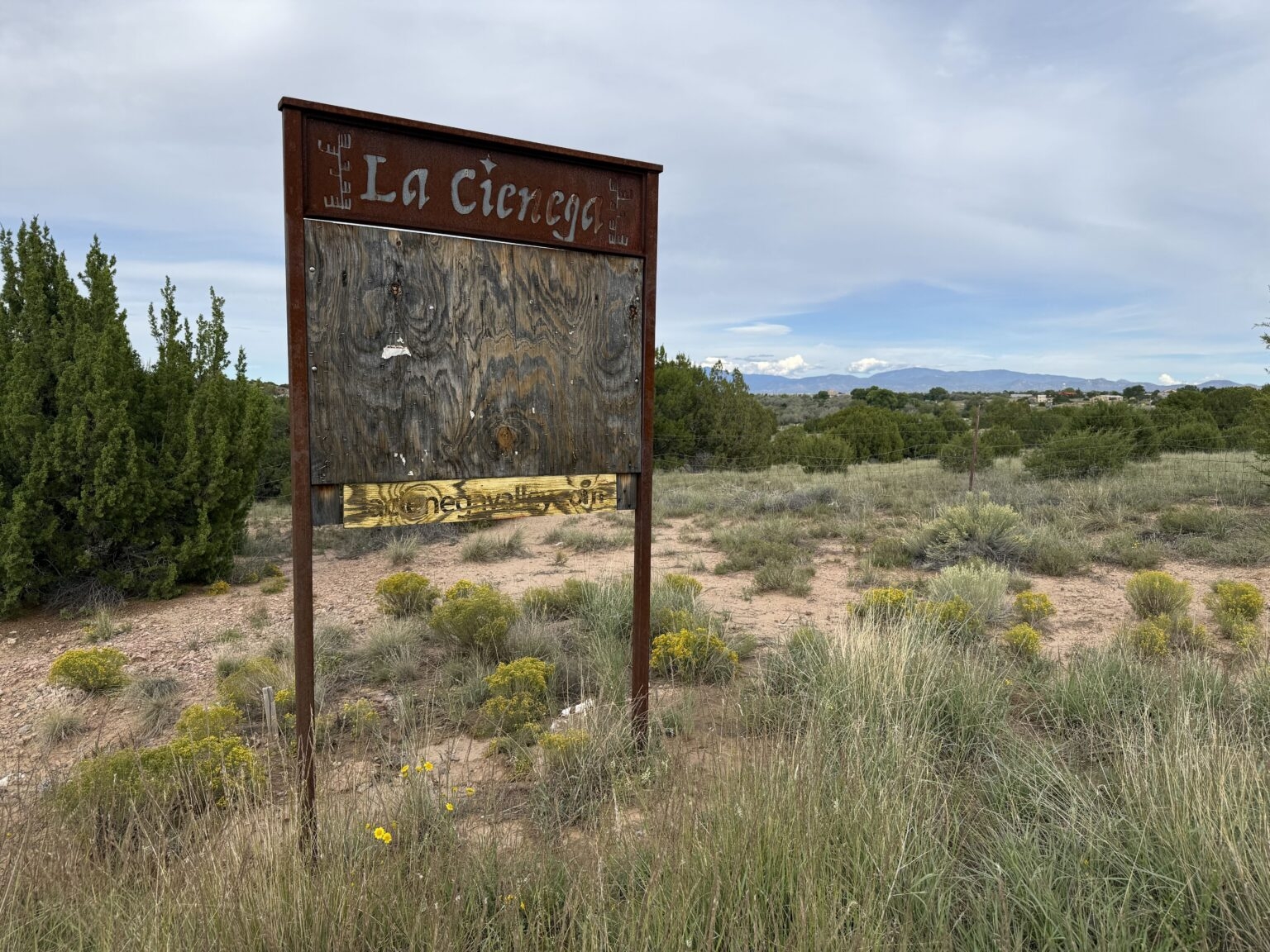
Image via Source New Mexico: A total of 43 wells in the La Cienega and La Cieneguilla communities in Santa Fe County showed ‘forever chemical’ contamination in recent tests, Santa Fe County announced on Sept. 21, 2026. (Photo by Matthew Mondschein/Source NM)