News from Utah: Pelicans, Toxic Dust & Water
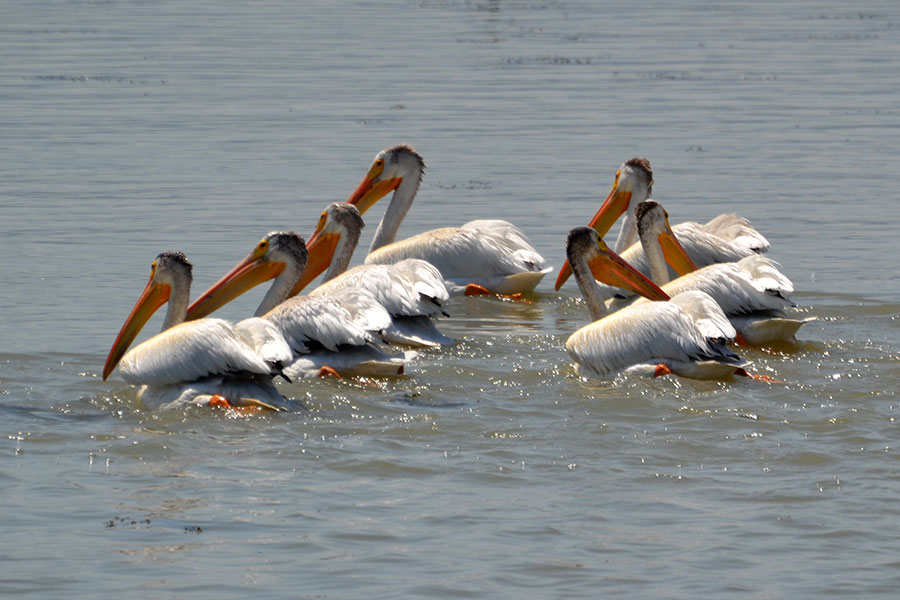
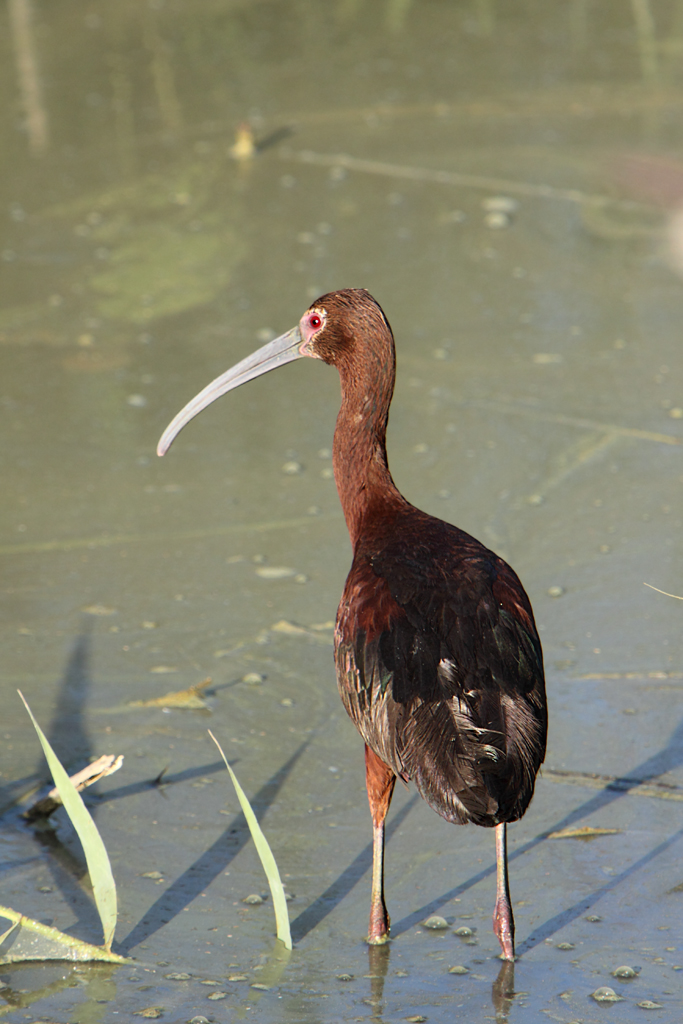
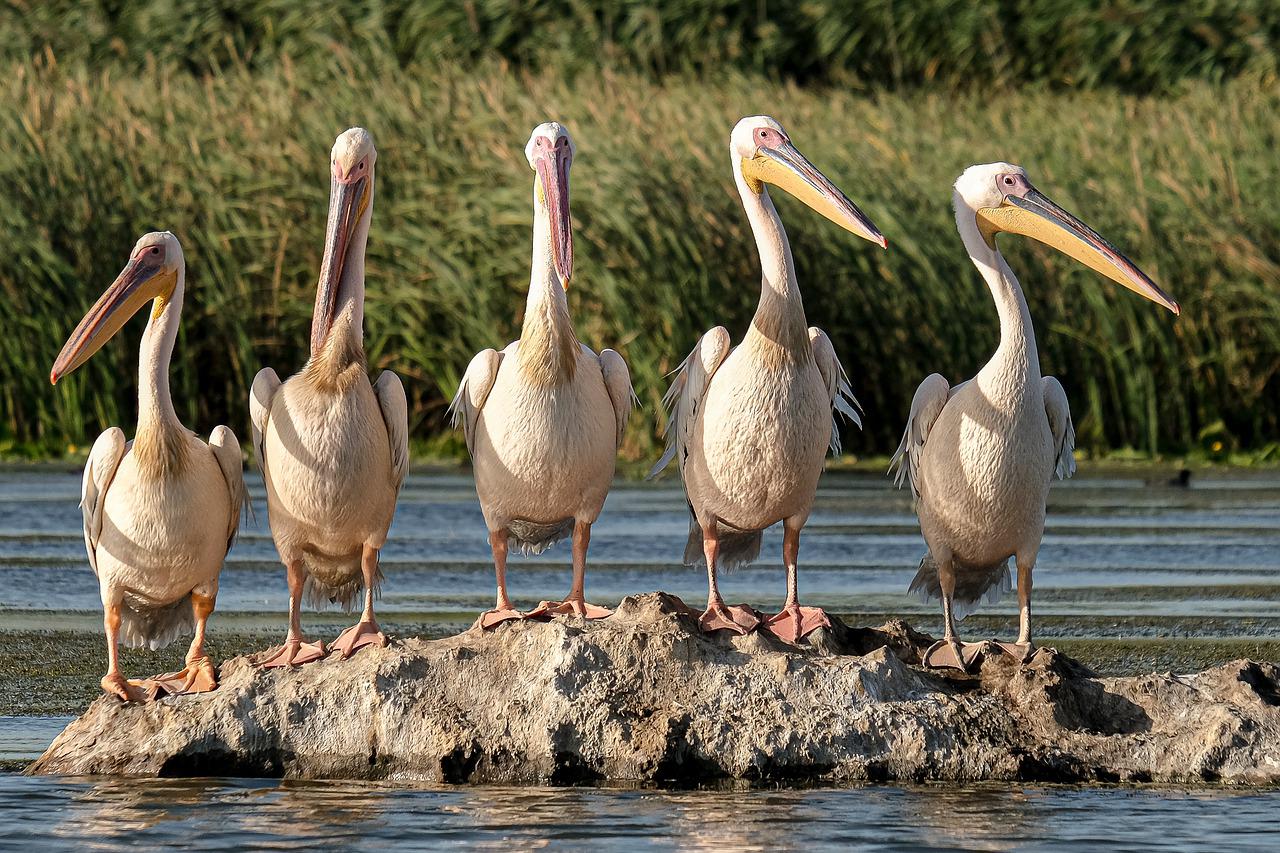
Pelican nesting has resumed on Utah’s Hat and Gunnison Islands, toxic dust from the Great Salt Lake is being addressed, and heavy snowfall has improved the state’s water outlook.
Pelican nesting has resumed on Utah’s Hat and Gunnison Islands, toxic dust from the Great Salt Lake is being addressed, and heavy snowfall has improved the state’s water outlook.
Utah’s water outlook improves with record-breaking snowpack, full reservoirs, and a rising Great Salt Lake, highlighting the positive impact of conservation efforts and infrastructure.
Utah’s H.B. 249, prohibiting legal personhood for non-humans including bodies of water, awaits House approval, raising concerns for Great Salt Lake protection.
Drought conditions are easing in Utah, thanks to the best winter in about 20 years. Long-term drought may persist and lawmakers are eying solutions for the Great Salt Lake.
In an effort to conserve the Great Salt Lake, Utah’s Gov. Spencer Cox issued a proclamation that suspends new use applications. But with supply already over appropriated, the action might be moot because in times of shortage, junior right holders often cannot divert.
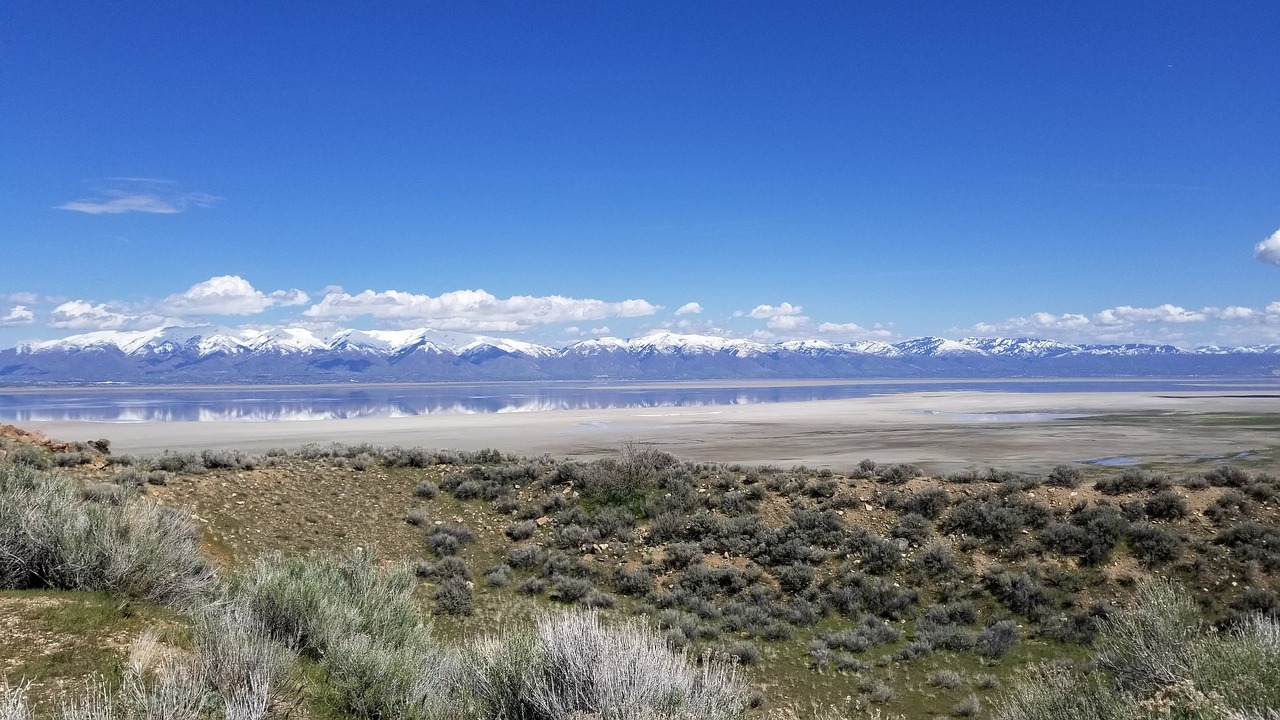
The Great Salt Lake is shrinking, with about two-thirds of it gone. The loss of water and dry lake bed, which is a source of toxic dust, and has been characterized as “an environmental nuclear bomb” that threatens human life and wildlife.