Colorado’s San Luis Valley faces arsenic and water shortage challenges
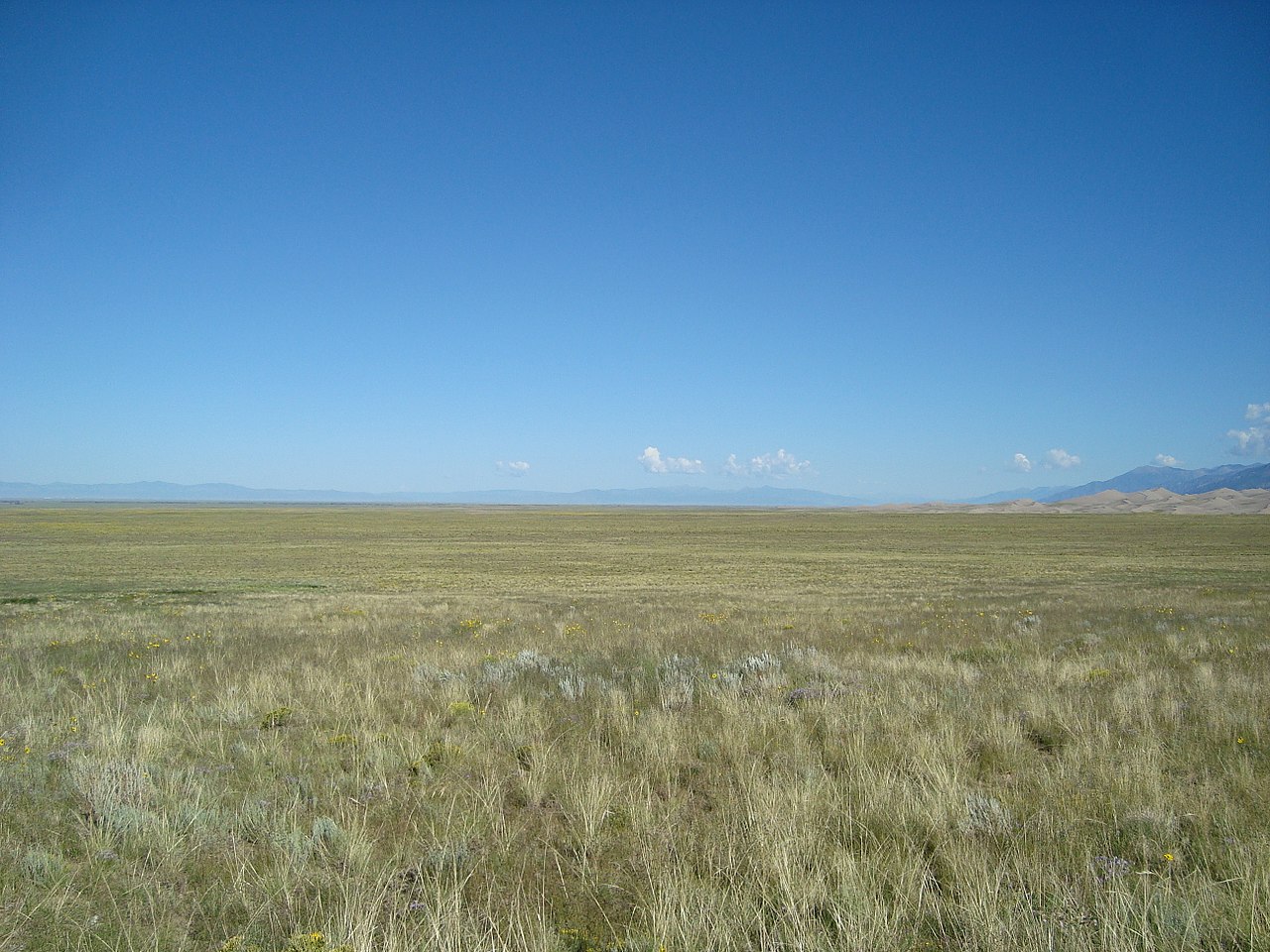
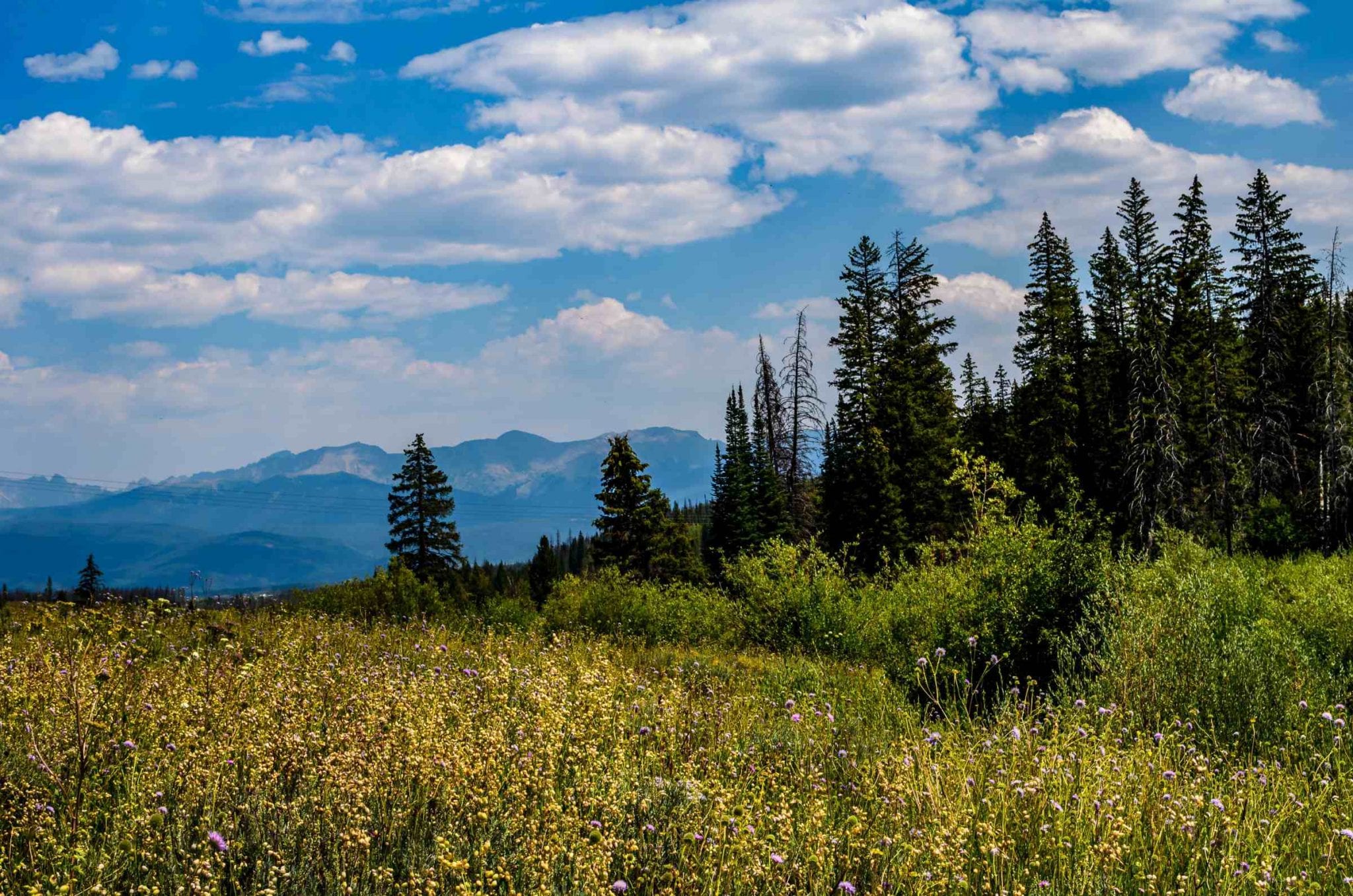
The San Luis Valley in Colorado faces high arsenic levels in wells due to drought and aquifer depletion, spurring community-led conservation efforts.
The San Luis Valley in Colorado faces high arsenic levels in wells due to drought and aquifer depletion, spurring community-led conservation efforts.
Written comments on Post-2026 Colorado River Operational Strategies are due on or before September 1, 2022.
Looking for solutions, the Senate Energy and Natural Resources Committee held a hearing on the drought situation in the west, with witnesses expressing the urgency of the crisis that is affecting agriculture, wildlife, and communities at an unprecedented level.
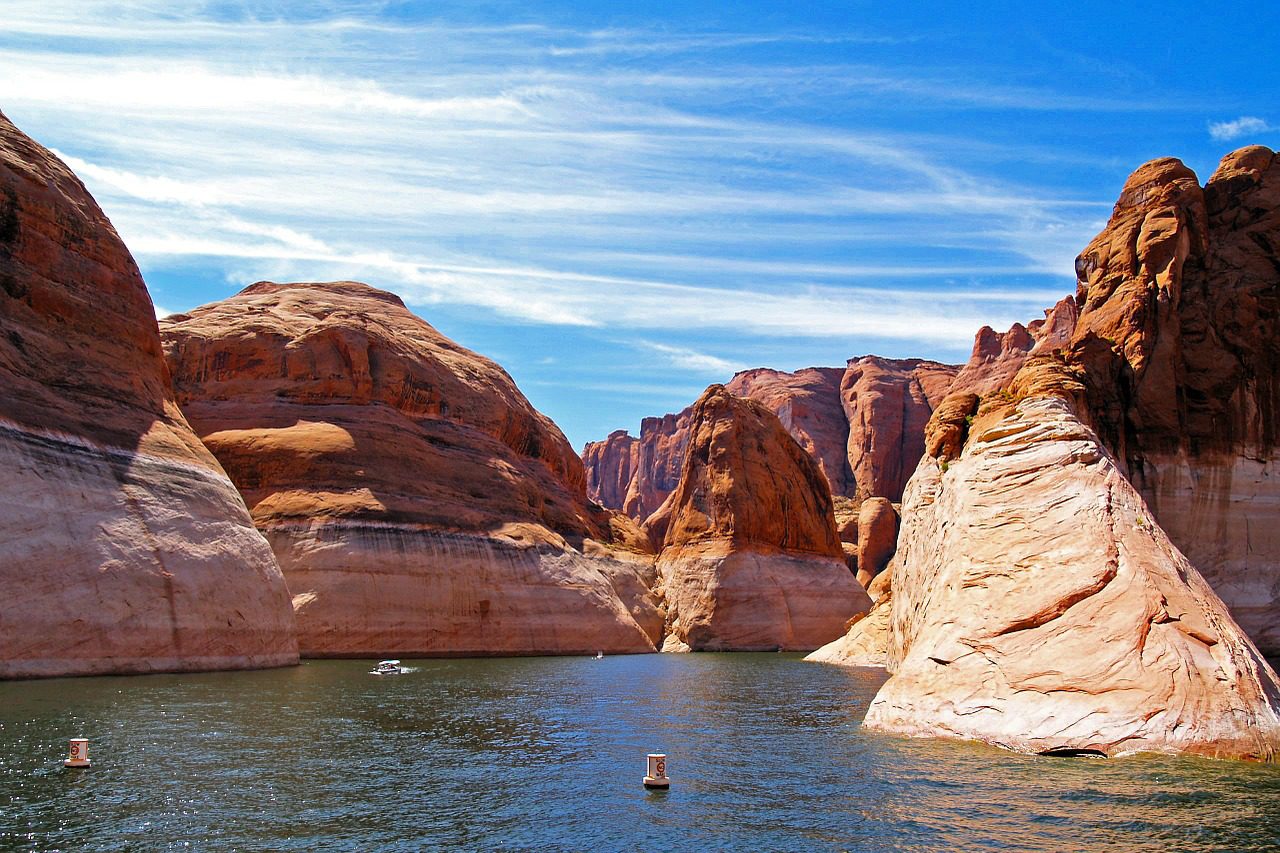
A “snow drought” in the western states is contributing to drought problems in the Colorado River basin, where less releases of water from Lake Powell to the southern basin states have already been authorized.
“The new normal. What exactly does that mean? Ask a Colorado farmer and you are likely to hear a common word: dry,” reads the agricultural “drought stories” section of an