- Federal takeover of Potter Valley Project is proposed.
- Lawmaker warns of plan to move water south.
- Local dam removal plan focuses on fish and supply.
- Project has served Northern California for over 100 years.
Monday, April 27, 2026 — A new conflict is taking shape over water in Northern California, centered on the Potter Valley Project and the Eel River.
On April 23, 2026, Representative Jared Huffman raised concerns about a proposal tied to the Trump administration that could shift control of the project. According to his statement, federal officials are considering bringing the Potter Valley Project into the Bureau of Reclamation system.
This move, he said, could open the door for water from the Eel River to be transferred to Southern California.
The proposal has drawn attention because the Eel River is not part of the large statewide water delivery systems. For decades, it has remained largely protected from export plans.
What the Potter Valley Project Does.
The Potter Valley Project is a water diversion and hydropower system that has operated for more than a century.
It moves water from the Eel River into the Russian River watershed. That water supports farms, cities, and environmental needs in Mendocino and Sonoma counties.
On average, about 60,000 acre feet of water is diverted each year. This represents a small share of the Eel River’s total flow, but it plays a meaningful role for local users.
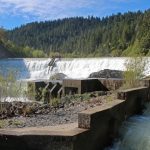
The system includes two dams, Scott Dam and Cape Horn Dam, along with reservoirs and a powerhouse. Water flows through the system before being released into the Russian River.
Local agencies and tribes have been working on a long-term transition plan as the project reaches the end of its current license.
A Local Plan Focused on Restoration.
Pacific Gas and Electric Company has already filed a plan to remove the project’s aging dams.
That plan is now under federal review.
Supporters of removal point to environmental benefits. Scott Dam blocks salmon and steelhead from reaching upstream habitat. Removing the dams could reopen those areas for fish.
At the same time, local water managers have been working on replacement systems to keep water flowing where it is needed.
One proposal includes building a new diversion facility that would continue sending water into the Russian River system. Another idea involves increasing storage at Lake Mendocino.
This approach has been described by local officials as a “two-basin solution.” It attempts to balance river restoration with continued water supply.
Federal Interest Adds New Pressure.
Federal involvement in the project has grown in recent months.
On March 20, 2026, Agriculture Secretary Brooke Rollins said she had met with stakeholders and emphasized the need to protect water infrastructure used by rural communities.
The U.S. Department of Agriculture has also stepped into regulatory proceedings tied to the project.
More recently, Rollins stated that a potential buyer had been identified for the project. The Elsinore Valley Municipal Water District in Riverside County has confirmed interest in acquiring it.
That possibility has raised concerns among North Coast leaders.
Concerns About Water Moving South.
Representative Huffman strongly opposed the idea of transferring control of the project and its water rights.
In his April 23 statement, he warned that federalizing the project could lead to water exports from the Eel River basin to Southern California.
He pointed to past efforts to move water out of the region, including proposals for large dams and connections to statewide systems. Those plans were rejected after local and tribal opposition.
Huffman described the current situation as a return of those long-standing ideas.
He also emphasized that local agreements already exist to guide the project’s future. Those agreements involve water agencies, tribes, environmental groups, and state officials.
According to his statement, those groups support keeping control local while restoring fish habitat and maintaining water supply.
What Happens Next.
The future of the Potter Valley Project remains uncertain.
Federal regulators are still reviewing the dam removal plan. At the same time, discussions about ownership, control, and water rights are continuing.
Local agencies are studying replacement projects that could take years to build.
Meanwhile, the debate over federal involvement and possible water transfers is adding a new layer of complexity.
For now, the project sits at the center of competing priorities. These include environmental restoration, regional water needs, and broader questions about how water is managed across California.
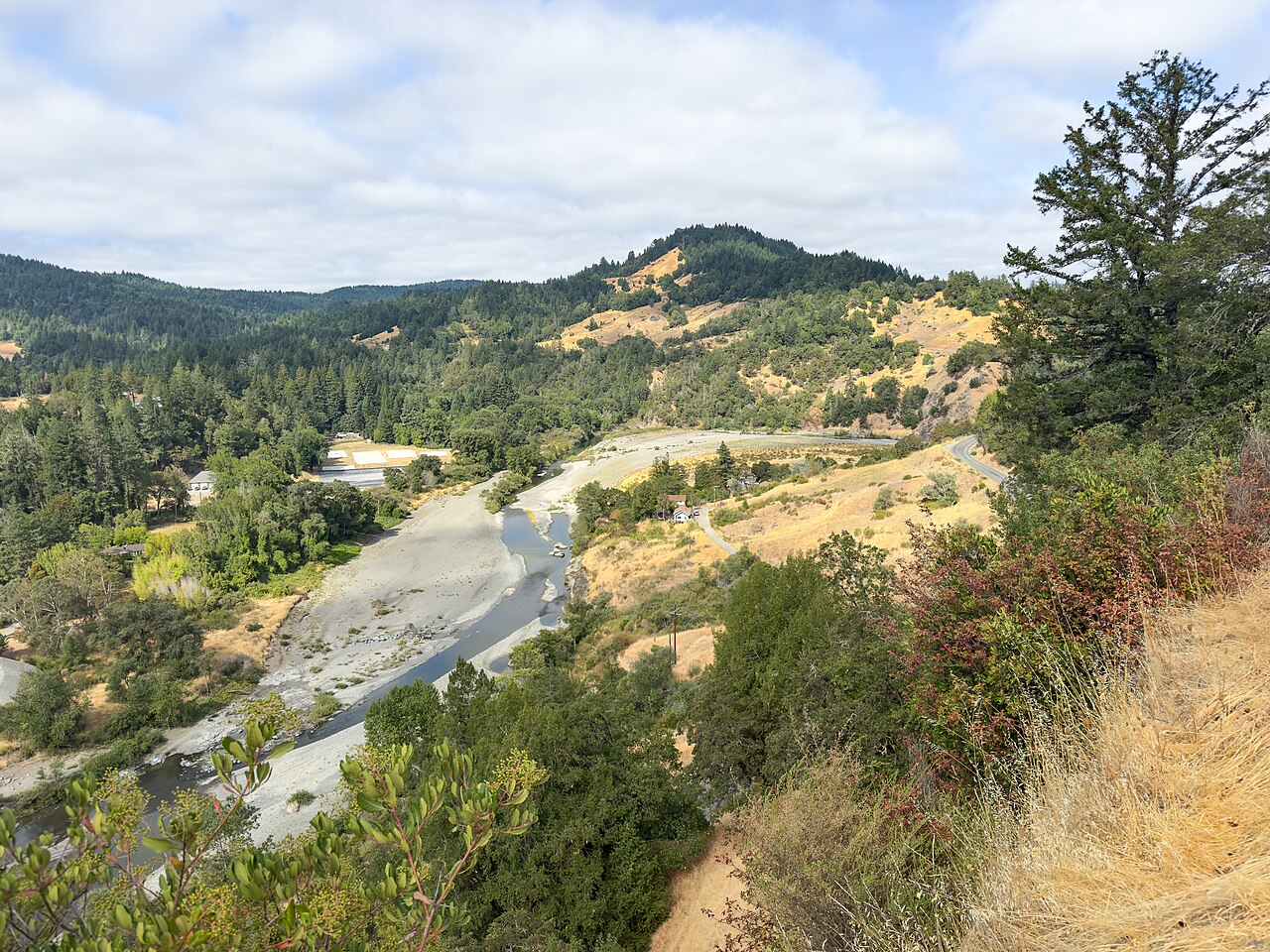
Pictured: Public domain image. This image depicts a north facing view of the South Fork Eel River as seen from a turnout on U.S. Route 101 in Garberville, California. This image was captured near the ecotone of the King Range/Matolte Basin (1j)/Outer North Coast Ranges (78q) EPA Level IV Ecoregions. The ecosystem of the landscape in view is the Californian Moist Coastal Mixed Evergreen Forest Group (NatureServe G208), which occurs just inland of the Redwood Belt. By Z3lvs, September 2025.