
- Federal officials discussed emergency river operations.
- Hydropower cuts could raise energy costs in Arizona.
- Tribal water settlement funding remains time-sensitive.
- Lawmakers pressed for clarity on long-term plans.
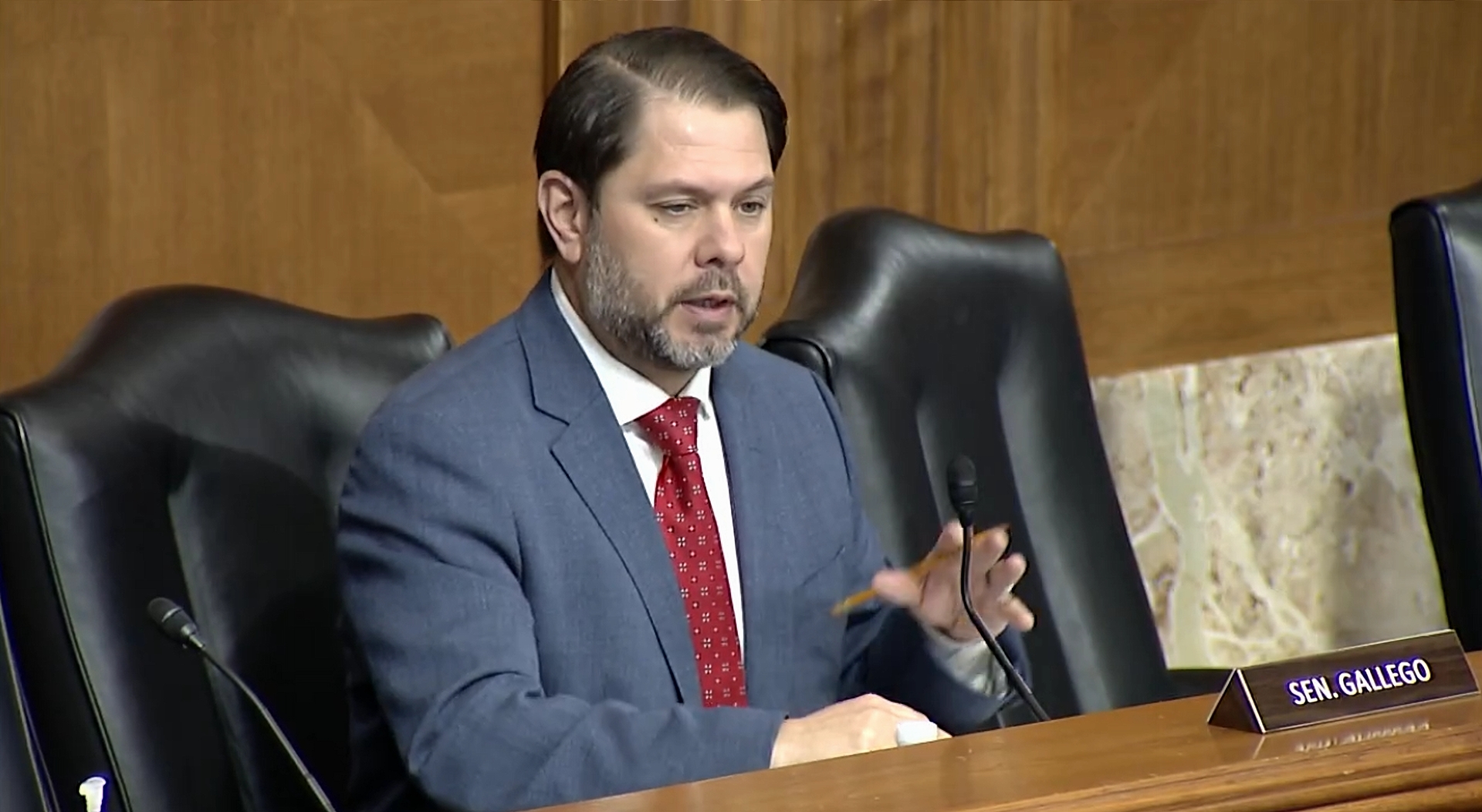
Thursday, April 30, 2026 –A Senate hearing yesterday placed the Colorado River’s fragile condition into sharp focus. During questioning before the Senate Energy and Natural Resources Committee, Senator Ruben Gallego of Arizona pressed Department of the Interior Secretary Doug Burgum on how the federal government plans to manage both water shortages and rising energy concerns tied to the river.
Water Shifts Between Reservoirs.
At the center of the discussion were emergency actions designed to stabilize the river system. Federal officials have proposed moving large volumes of water between reservoirs, including releasing up to one million acre-feet from Flaming Gorge Reservoir. At the same time, releases from Lake Powell to Lake Mead would be reduced to six million acre-feet, the lowest amount allowed under current legal requirements.
These steps are intended to prevent reservoir levels from dropping to critically low elevations. However, questions remain about how long these measures will last and what happens if water conditions improve. Lawmakers sought clarification on whether the upstream releases or downstream reductions would be scaled back first if supplies increase.
Energy Concerns Begin to Rise.
The conversation also turned to energy. Hydropower generated at dams along the Colorado River supplies electricity to millions of people across the West. Reductions in water releases can limit that power generation. Federal estimates suggest that cutting releases from Lake Powell could reduce hydropower capacity at Hoover Dam by as much as 40 percent as early as fall 2026.
That possibility raised concerns about rising electricity costs, especially for rural communities and households already facing higher utility bills. Lawmakers asked whether federal agencies have calculated how much rates could increase and what steps might be taken to soften the impact.
Tribal Water Funding Faces a Deadline.
In addition to water and energy, the hearing highlighted ongoing commitments to Tribal nations. The proposed federal budget includes $58 million for a water settlement involving the Hualapai Tribe in Arizona. That funding carries a strict deadline. If it is not approved before April 2029, the agreement could expire, potentially undoing years of negotiation.
A System Under Pressure.
Taken together, the discussion reflected a system under pressure. Short-term fixes are being used to stabilize water levels, but long-term solutions remain uncertain. Lawmakers signaled that how these decisions are handled will shape water access, energy costs, and legal obligations across the Colorado River Basin in the years ahead.