
- Federal agencies approved early spring refilling at key dams.
- The change began in mid-March, over a month ahead of schedule.
- Officials say it captures more runoff without raising flood risk.
- The move could boost water storage and hydropower output.
Monday, May 4, 2026 — A quiet but important shift took place in the Truckee River Basin during March 2026.
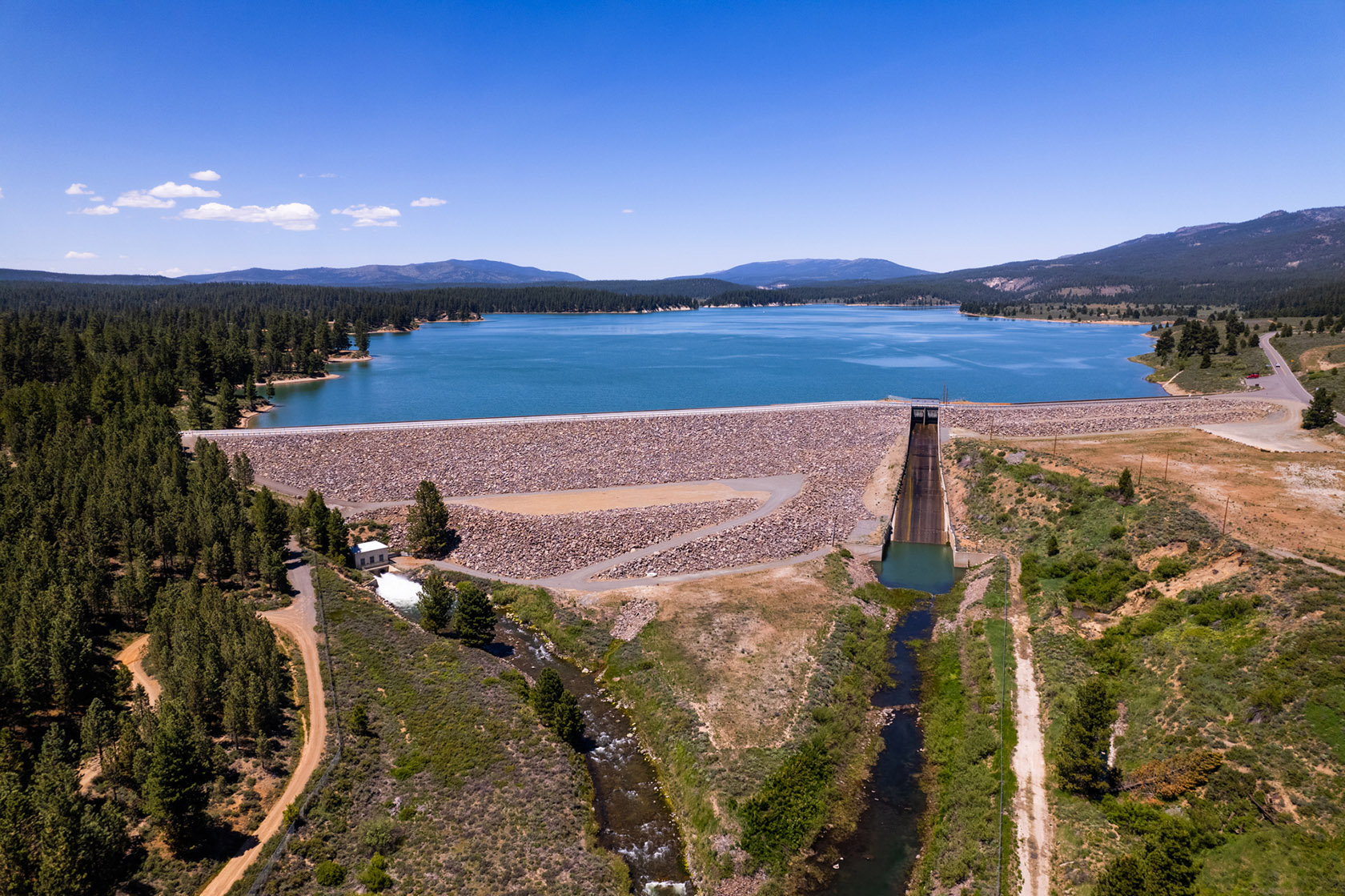
On April 30, 2026, the Bureau of Reclamation announced that the U.S. Army Corps of Engineers approved a temporary change in how several reservoirs are operated. The change applies to Prosser Creek, Stampede, and Boca dams, all key pieces of the Truckee system in California and Nevada.
Under this special approval, reservoir refilling began in mid-March. That is more than a month earlier than the long-standing rules normally allow.
Why the Change Matters.
In simple terms, the earlier refill allows operators to capture more of the spring snowmelt as it flows downstream.
Under normal rules, reservoirs must wait until snowpack drops to certain levels before storing water. That delay can mean missed opportunities, even in years with plenty of runoff.
By starting earlier, operators increase the chances that reservoirs will fill completely or at least reach higher levels than usual.
Officials said the adjustment does not increase flood risk under current conditions. That is a key requirement whenever reservoir operations are changed.
A Boost for Water and Power.
The benefits go beyond storage.
At Stampede Reservoir, higher water levels for longer periods could support increased hydropower production. More water moving through the system means more energy generated at the powerplant.
For a region that depends heavily on careful water management, even small operational changes can ripple across multiple sectors, including water supply, energy, and environmental flows.
Old Rules, New Conditions.
The Truckee Basin is still guided by a Water Control Manual written in 1985.
That manual was designed primarily for flood control. It requires reservoirs to be drawn down in the fall to make room for winter storms and limits how early they can refill in spring.
While those rules help manage flood risk, they can also limit flexibility. In some years, reservoirs do not reach full capacity, even when water is available.
They also make it harder to carry extra water from wet years into dry ones.
Testing a More Flexible Approach.
The recent change is not permanent. It is part of what officials call a “planned major deviation,” which allows temporary adjustments while long-term updates are studied.
The deviation grew out of a cost-share study led by the Bureau of Reclamation. That study identified ways to improve how the system operates, including using Forecast-Informed Reservoir Operations.
This approach relies on improved weather and runoff forecasts to guide decisions in real time. The goal is to balance water storage, environmental needs, and flood protection more effectively.
A Longer Process Underway.
At the same time, the U.S. Army Corps of Engineers has started a formal update of the Truckee Basin Water Control Manual.
That process is expected to take several years.
In the meantime, temporary deviations like this one will continue to be used to test new ideas and gather data.
What It Means Going Forward.
For now, the early refill offers a glimpse of how small operational changes could make a difference in a region where every drop counts.
Officials have not announced permanent changes. However, the ongoing studies and pilot efforts suggest that more flexible reservoir management may play a larger role in the future of Western water systems.
Pictured: Boca Dam in Nevada County, Bureau of Reclamation.