
Central Valley Project allocations rise after spring runoff

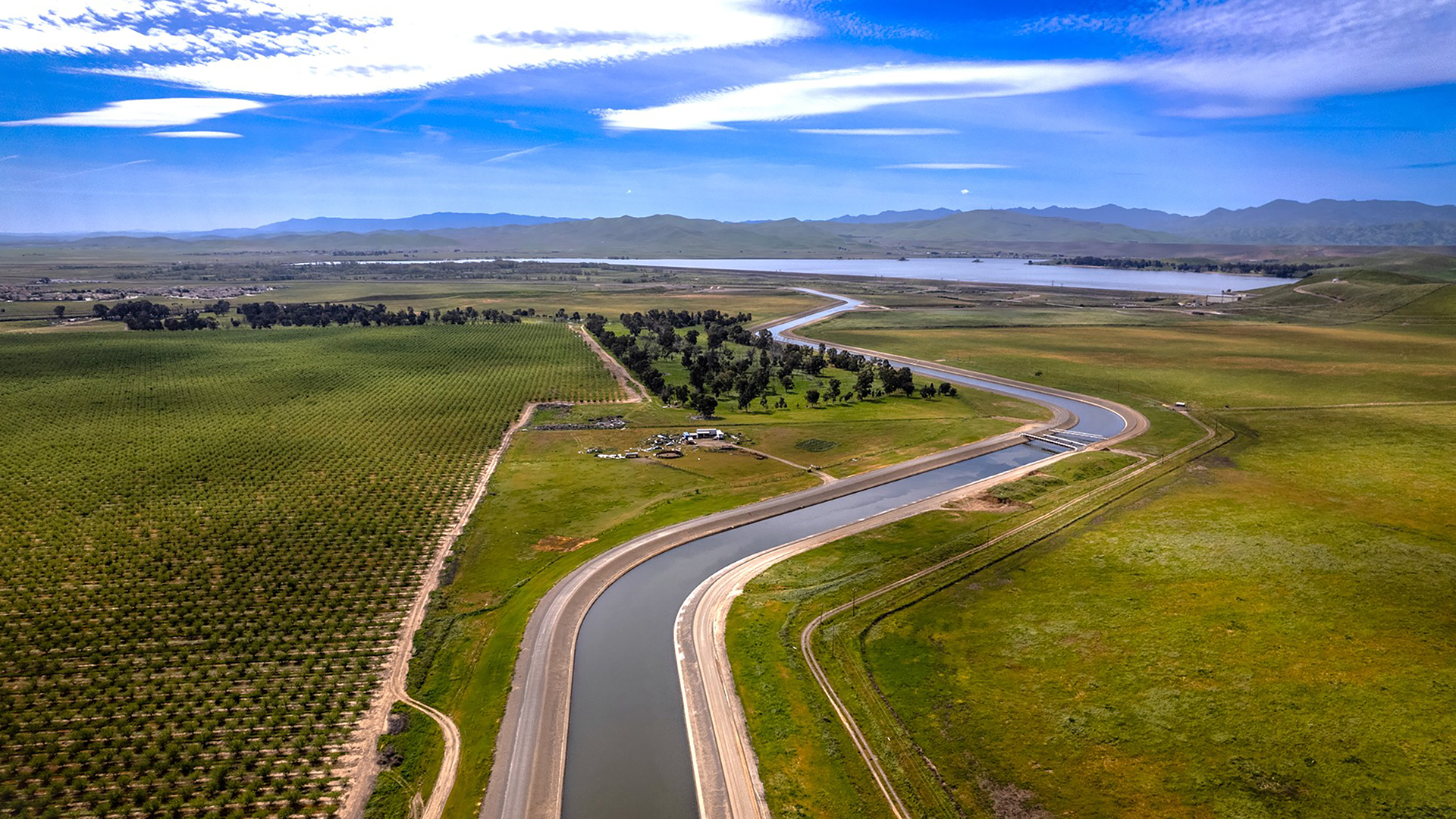
The Delta Mendota Canal, part of the California Central Valley Project
Spread the love
  • South-of-Delta farm water allocations increased from 20% to 25%.
  • Municipal and industrial water allocations increased to 75%.
  • Improved reservoir storage and April storms helped boost supplies.
  • Sierra snowpack melted earlier than normal during the warm spring.
  • Federal officials say uncertainty still remains heading into summer.

Tuesday, May 19, 2026 — California water managers announced another increase in Central Valley Project water allocations on May 19, 2026, following modest improvements in reservoir storage and spring runoff conditions across the state.

The Bureau of ReclamationOpens in a new tab. said the updated allocations mainly affect contractors south of the Sacramento-San Joaquin Delta, an area heavily dependent on imported water supplies for farming and growing communities.

Under the updated numbers, irrigation water service and repayment contractors south of the Delta will now receive 25% of their contract totals, up from the previous 20% allocation announced in March. Municipal and industrial contractors will receive 75% of their historic use or public health and safety needs, whichever amount is greater.

The agency also announced that Eastside Division contractors, who previously had no allocation, will now receive 49,000 acre-feet of water.

April Storms Improved Conditions.

Federal officials said several factors helped improve the system enough to support the increase.

April storms added more runoff into California reservoirs. Water managers also benefited from stronger carryover storage left from earlier periods, along with reservoir operations designed to capture as much runoff as possible while still meeting flood control and environmental rules.

Acting Regional Director Adam Nickels said the improvements gave managers more flexibility inside the Central Valley Project system.

“Careful coordination and improved spring runoff conditions have strengthened overall system storage and allowed us to make additional water supplies available to south-of-Delta contractors,” Nickels said in the May 19 announcementOpens in a new tab..

Reservoirs tied to the Central Valley Project, including San Luis Reservoir, remain at or above average storage levels for this time of year, according to Reclamation.

Warm Spring Accelerated Snowmelt.

Despite the increase, officials warned that California’s water picture remains uncertain heading into summer.

The Sierra Nevada snowpack declined rapidly this spring after reaching its peak earlier than usual. Warm temperatures accelerated melting across much of the mountain range, reducing one of California’s most important natural water storage systems.

Nickels noted that much of the snowpack has already disappeared earlier than normal.

Federal officials said they will continue monitoring reservoir conditions, runoff forecasts, environmental requirements, and summer water demands before making future operational decisions.

Drought Reserves Still Being Held.

Reclamation also confirmed it is continuing to hold part of San Luis Reservoir storage in reserve as part of its drought protection strategy. Those reserved supplies are separate from the allocations announced May 19.

The Central Valley Project is one of the largest federal water systems in the United States. It delivers water to farms, cities, and wildlife refuges throughout California while also supporting flood control and hydroelectric generation.

The latest allocation update reflects how quickly water conditions can shift in California, where a few spring storms can temporarily improve reservoir levels even as long-term drought concerns and warming temperatures continue to pressure the state’s water system.

Pictured:  The Delta Mendota Canal, via the Bureau of Reclamation press releaseOpens in a new tab..

Deborah

Since 1995, Deborah has owned and operated LegalTech LLC with a focus on water rights. Before moving to Arizona in 1986, she worked as a quality control analyst for Honeywell and in commercial real estate, both in Texas. She learned about Arizona's water rights from the late and great attorney Michael Brophy of Ryley, Carlock & Applewhite. Her side interests are writing (and reading), Wordpress programming and much more.

Subscribe
Notify of
guest
0 Comments
Oldest
Newest Most Voted
Inline Feedbacks
View all comments

Recent Posts

0
Would love your thoughts, please comment.x
()
x
Skip to content