
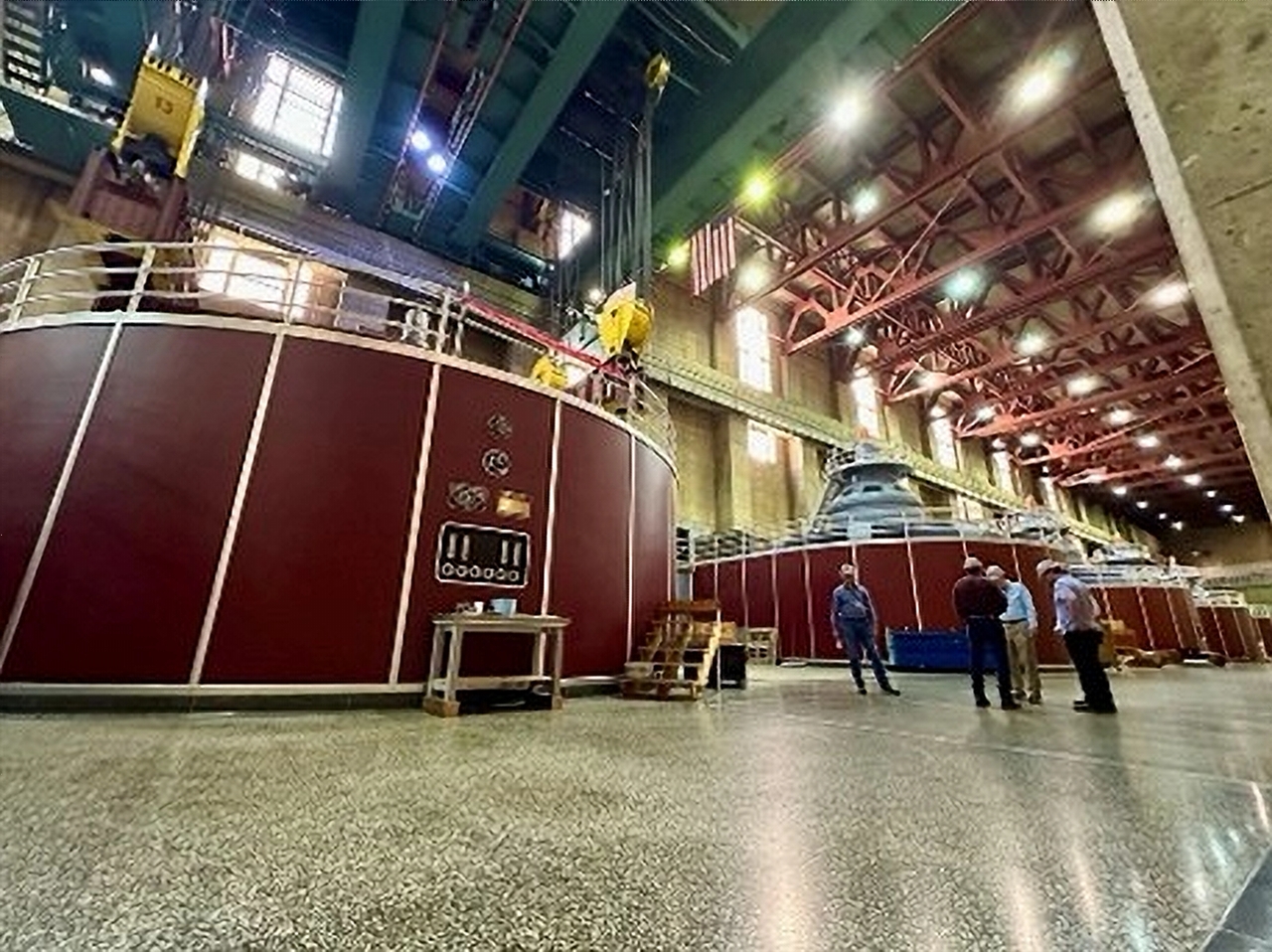
- Hoover Dam will receive about $52 million for upgrades.
- New turbines are designed to work at lower lake levels.
- Lake Mead’s drought conditions continue to reduce hydropower output.
- Officials say the changes could restore about 160 megawatts of capacity.
- Hoover Dam supplies electricity to about 1.3 million people.
Friday, May 22, 2026 — For decades, Hoover Dam has stood as one of the American Southwest’s most recognizable engineering landmarks. But after years of drought and falling water levels at Lake Mead, federal officials announced on May 21, 2026, that major upgrades are now moving forward to help keep the dam producing electricity even during extreme low-water conditions.
The Bureau of Reclamation said approximately $52 million will be invested into infrastructure, operations, and maintenance projects at Hoover Dam. One of the biggest changes involves replacing up to three aging turbines with newer “wide-head” turbines designed to continue operating even when Lake Mead drops to much lower elevations.
Federal officials say the timing is critical.
Water levels at Lake Mead have been under pressure for years because of prolonged drought across the Colorado River Basin. As the reservoir drops, Hoover Dam’s ability to generate hydropower also declines. That electricity supports homes, businesses, cities, and industries across Arizona, Nevada, and California.
New Turbines Designed for Lower Water Levels.
Assistant Secretary for Water and Science Andrea Travnicek said the project is intended to help protect long-term energy reliability in the Southwest.
“This action ensures Hoover Dam remains a cornerstone of American energy production for decades to come,” Travnicek said in the May 21 announcement.
According to the Bureau of Reclamation, some of the dam’s older turbines face severe damage risks when Lake Mead falls below elevation 1,035 feet. Officials said earlier estimates once projected Hoover Dam could still produce around 1,302 megawatts at that level. However, updated technical reviews now suggest capacity could fall dramatically to about 382 megawatts using the older equipment.
The newer wide-head turbines are designed differently. Officials say they can continue operating at lake elevations near 950 feet without suffering the same level of damaging cavitation, a process where collapsing air bubbles can physically wear away turbine surfaces over time.
The Bureau of Reclamation estimates the turbine replacements could restore at least 160 megawatts of hydropower capacity.
Hydropower Output Has Fallen During the Drought.
Hydropower production at Hoover Dam has already fallen sharply during the drought era. Historically, the facility could generate up to 2,074 megawatts of electricity, enough to serve roughly 1.3 million people. Officials now say generation has dropped by about 30 percent because of declining reservoir conditions.
Without upgrades, officials warned that the continued loss of generating ability could eventually affect the long-term financial stability of the facility and place additional pressure on electricity rates for customers.
Retirement Fund Money Will Help Pay for Repairs.
The funding itself comes from an unusual source.
According to federal officials, the money was originally collected through the Hoover Dam Post Retirement Benefit Fund. The Western Area Power Administration had gathered the funds from power customers to cover possible retirement benefit costs for Hoover employees. However, employees later became covered under federal retirement systems, leaving the fund largely unnecessary for its original purpose.
After reviewing the issue, officials determined the money could instead be redirected toward dam operations and maintenance projects.
Acting Commissioner Scott Cameron said Hoover Dam’s power customers and federal agencies have worked together for decades and will continue coordinating as the upgrades move ahead.
Pictured: Hoover Dam operations from the Bureau of Reclamation’s news release.